The tragic news out of Vietnam has sent shockwaves through the global travel community. On Monday, July 13, 2026, a Vietnam Airlines flight landed at Mumbai's Chhatrapati Shivaji Maharaj International Airport carrying the mortal remains of 15 Indian tourists. These individuals lost their lives when a speedboat capsized near Phu Quoc Island just two days prior. They went for a tropical escape and ended up in a maritime disaster. It is a sobering reminder that paradise can turn deadly in a matter of seconds when safety standards take a back seat.
We often book island-hopping excursions with a sense of carefree adventure. We assume the operators know what they're doing and that the vessels are safe. This tragedy blows up those assumptions completely. If you are someone who frequently travels to Southeast Asia, you need to look at what went wrong in this incident because it highlights structural flaws in tourist safety that you can't afford to ignore.
The victims were part of a corporate incentive trip organized by Lava International, an Indian smartphone and consumer electronics manufacturer. They were rewarding their employees, distributors, and retail partners with a scenic getaway. Instead, 15 families are now grieving the loss of their primary breadwinners. Ten of the deceased came from Tamil Nadu, three from Andhra Pradesh, and two from Kerala.
A total of 32 Indian tourists and four local crew members were packed onto that speedboat. While 16 survivors managed to make it back to India quickly, one man remains in critical condition in a hospital in Ho Chi Minh City. This 49-year-old survivor is currently fighting for his life with severe lung damage, internal bleeding in the brain, and shock from near-drowning. His family has rushed to Vietnam to be by his side.
The Terrifying Moments Off Hon May Rut Ngoai
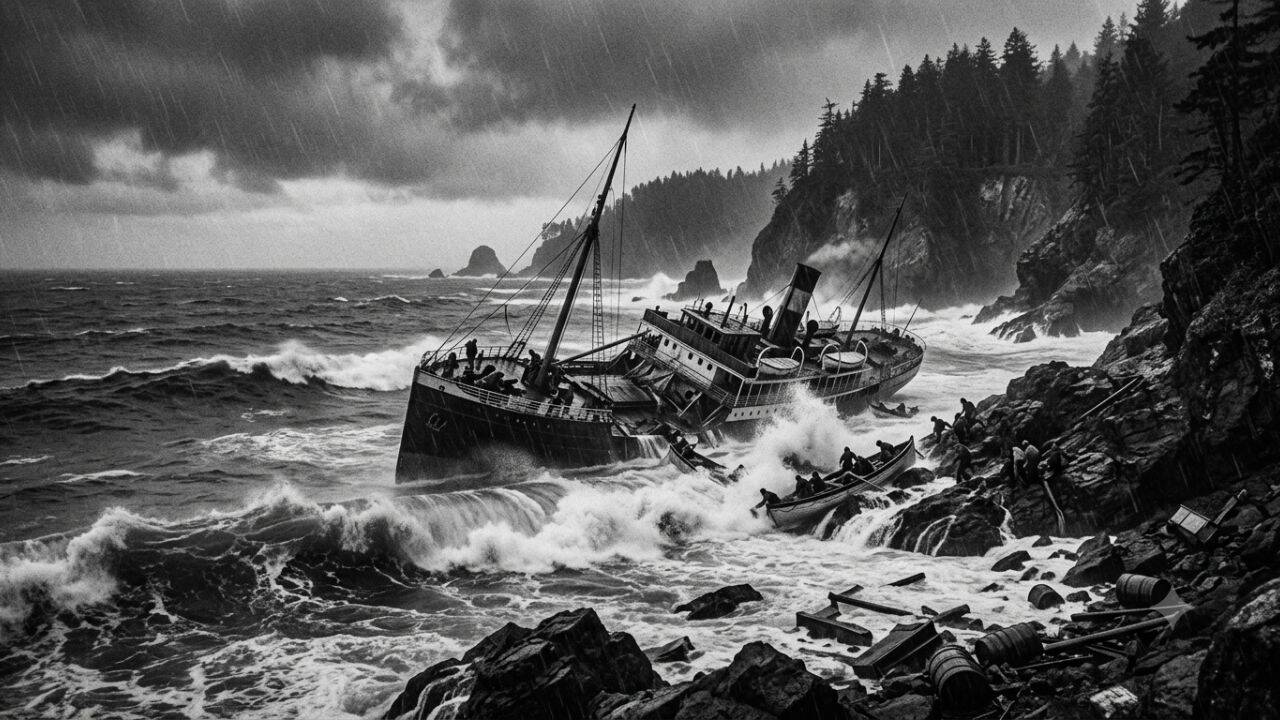
The accident happened on Saturday, July 11, 2026. The group was returning from an island excursion and had barely traveled 400 meters from the shores of Hon May Rut Ngoai island when the speedboat overturned. Eyewitnesses described a scene of absolute chaos. Ashish Kumar, a 48-year-old distributor from Guntur who was part of the Lava International trip, watched the disaster unfold from the shore. The group had been split into three separate boats. The first boat took off into the open water while the other two were still waiting near the dock.
Suddenly, the vessel capsized. Witnesses on nearby boats tried frantically to administer CPR on the beach, but for many, it was already too late. The sea didn't even have heavy rain at the time, though local sailors noted that unusually high waves had rolled in quickly.
Vietnamese police acted swiftly. By Sunday, they detained the 57-year-old captain of the speedboat, Nguyen Hong Hai. He's currently facing a criminal investigation for alleged violations of waterway transport safety regulations. While initial assessments from local state media pointed toward an unavoidable incident caused by rapidly shifting extreme weather, investigators are looking closely at whether human error or overloading played a part.
The Reality of Southeast Asian Maritime Tours
If you've ever been to Phu Quoc, Phuket, or Bali, you know how these speedboat tours operate. Dozens of operators hustle to cram as many tourists as possible onto high-powered boats to maximize their daily profits. They promise quick transit to beautiful coral reefs and white-sand beaches. But behind the glossy Instagram photos lies a highly inconsistent regulatory environment.
Local authorities often fail to enforce basic safety rules. Speedboat captains frequently race against time or ignore early weather warnings to avoid canceling pre-paid tours. It is a classic systemic issue. When tourists don't know the local language, they can't ask about life jackets, emergency procedures, or capacity limits. They simply trust the system.
The Indian Embassy in Hanoi and the Consulate General in Ho Chi Minh City had to step in immediately to manage the grim aftermath. They worked alongside the Phu Quoc Special Economic Zone and Vietnam’s Ministry of Foreign Affairs to expedite the paperwork and get the bodies flown home. The Indian mission expressed deep gratitude on social media for the messages of condolence and assistance from Vietnamese citizens. But political gratitude does not fix the underlying safety failures that caused this mess in the first place.
How to Protect Yourself on Open Water Excursions
You cannot rely blindly on local tour companies to look out for your life. When you travel, you have to be your own safety advocate. Here is a hard truth. If a boat looks sketchy, or if the sea looks rough, you need to walk away. Don't worry about losing your deposit. Your life is worth more than a fifty-dollar tour fee.
First, check the life jackets before the engine even starts. Don't just look to see if they're on board. You must actually put one on and ensure the buckles work. In many tragic accidents, life jackets are locked away in storage compartments under the seats or have rotten straps that snap under tension. If the crew tells you that you don't need to wear one because the water is calm, ignore them. Put it on anyway.
Second, look at the passenger count. Every vessel has a maximum legal capacity marked somewhere on the hull or registry documents. If you notice people sitting on the gunwales or crammed into the aisles with no room to move, the boat is likely overloaded. Overloaded speedboats lose stability rapidly when hit by a rogue wave or when turning at high speeds.
Third, monitor the local weather yourself. Don't take the tour operator's word that the weather is fine. Use reliable weather apps that track marine forecasts, wind speeds, and wave heights. If the forecast warns of sudden squalls or high swells, cancel your trip. Tropical weather can flip from bright sunshine to a violent storm within minutes.
Demanding Better Standards From Corporate Organizers
This tragedy also raises serious questions for companies that organize massive incentive trips. Lava International sent dozens of its partners to a remote island without ensuring a rigorous safety audit of the local vendors. When corporations book travel packages for hundreds of employees, they often outsource the planning to third-party destination management companies. These local agencies frequently pick the cheapest options to pocket a wider profit margin.
Moving forward, corporate travel planners must implement strict safety protocols. They need to vet every transport provider, check their insurance policies, and mandate that all participants wear safety gear during maritime transit. Companies have a duty of care to the people they fly across the globe.
Immediate Steps to Take On Your Next Trip
If you have an upcoming vacation that involves coastal transit or island hopping, change your approach right now.
Start by researching the reputation of the tour company online before you book. Look specifically for reviews that mention safety, life jackets, and the behavior of the captain. Avoid companies that have a reputation for cutting corners or driving recklessly through the waves.
When you arrive at the pier, take a look at the boat's condition. Is the hull clean? Are the engines running smoothly, or are they sputtering and emitting thick black smoke? A poorly maintained engine can stall out in the middle of a busy shipping lane or near dangerous coral reefs, leaving the vessel completely vulnerable to capsizing.
Keep your phone in a waterproof pouch tied to your body. If an accident happens, your communications device shouldn't sink to the bottom of the ocean. You need a way to call for help or use your GPS if you get stranded.
The tragic loss of these 15 Indian travelers should not just be another headline that fades away next week. Let it change the way you evaluate risk when you step off the shore. Be skeptical, ask hard questions, and don't hesitate to step off a boat that doesn't feel safe.