The truce is officially dead. When Donald Trump declared that the US ceasefire with Iran was over following fresh attacks across the Gulf, nobody who understands Middle Eastern geopolitics was actually surprised. The Islamabad Memorandum of Understanding signed back in June 2026 didn't fail because of bad luck. It collapsed because its foundation was built on irreconcilable demands and political theater.
People looking for a simple timeline of who shot first miss the point. The real question is why a highly publicized 14-point framework agreement—signed remotely from the Palace of Versailles and Tehran—vaporized in less than a month. The 60-day window to negotiate a permanent end to the war didn't even make it to day thirty. Building on this theme, you can find more in: The Tragic Mistake That Turned The Almeria Wildfire Deadly.
The Fatal Flaws Built Into the Islamabad Memorandum
Let's look at what was actually signed on June 17, 2026. The Islamabad Memorandum aimed to halt a brutal three-month-long conflict. It promised a permanent termination of military operations, a toll-free reopening of the Strait of Hormuz, and an end to the American naval blockade. Tehran got immediate sanctions waivers to export crude oil, and Washington walked away with a vague Iranian promise to never develop nuclear weapons.
It sounded great on paper. But look closer at the text. Experts at NPR have also weighed in on this situation.
The agreement required Iran to immediately clear naval mines and guarantee safe passage through the Gulf. In exchange, the US promised a massive $300 billion reconstruction plan. The catch? The legal and administrative steps for that permanent financial relief were conditional on a final deal that hadn't been written yet. Trump bluntly summarized the strategy at the G7 summit in France: "If it doesn't get done in 60 days... We go back to bombing."
That's not diplomacy. That's a ticking time bomb.
A Timeline of the Collapse
The breakdown wasn't a sudden explosion. It was a slow-motion car crash that played out over three weeks.
- June 14, 2026: Vice President JD Vance announces that a text has been digitally finalized via Pakistani mediators. Optimism hits an all-time high.
- June 17, 2026: The official remote signing occurs. Trump signs during a G7 dinner in France; Iranian President Masoud Pezeshkian signs in Tehran.
- June 21, 2026: Washington formally waives oil sanctions for the 60-day window. Iranian crude starts moving, but structural issues immediately surface.
- Late June 2026: Clashes erupt in Lebanon. The MOU promised a permanent end to military operations "on all fronts, including in Lebanon." Yet Israel continues targeting Hezbollah positions, claiming the local 45-day extension doesn't bar defensive actions. Tehran views this as a direct violation of the spirit of the deal.
- July 2, 2026: Technical negotiations scheduled for Switzerland stall. US representatives complain that Iran is acting as a "difficult counterpart," refusing to finalize the tracking protocols for its stockpiled enriched uranium.
- July 6, 2026: Rockets strike near US naval assets in the Persian Gulf. Denials fly from Tehran, but Washington attributes the aggression to Iranian-backed regional proxies.
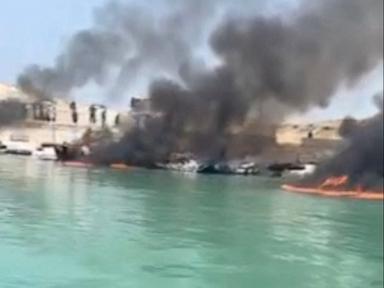
- July 8, 2026: Fresh drone strikes hit shipping lanes in the Gulf. Trump takes to social media and live broadcasts to declare the ceasefire completely over, calling the Iranian regime untrustworthy.
What Everyone Gets Wrong About the Fallout
The common narrative says bad actors sabotaged a perfectly good peace deal. Honestly, that's just wishful thinking. The deal was structurally flawed from inception because it bypassed the hardest issue: Iran's regional proxy strategy and its domestic nuclear ambitions.
The US wanted Iran to surrender its enriched uranium and abandon its regional influence before seeing a dime of the promised $300 billion reconstruction fund. Iran wanted the economic benefits upfront before dismantling its only leverage. You can't bridge that gap with a temporary 60-day memorandum, especially when neither side trusts the other to take the first step.
Regional realities also forced Washington's hand. Allies like Israel viewed the Islamabad Memorandum as dangerously soft on Tehran, meaning cross-border strikes were never going to stop completely. The moment those local ceasefires fractured in Lebanon, the entire framework lost its strategic value.
If you are tracking the economic or security impacts of this breakdown, prepare for immediate volatility. Expect energy markets to react violently as the temporary US Treasury waivers on Iranian crude oil evaporate. Shipping insurance premiums in the Strait of Hormuz will skyrocket by tomorrow morning. Security teams operating logistics in the Persian Gulf must immediately revert to maximum-alert protocols, as the brief window of toll-free, uninhibited transit is officially finished.