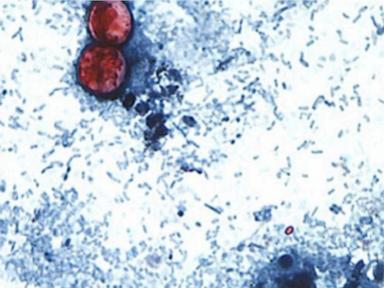
Panic has a way of ruining dinner. Right now, headlines are screaming about a massive outbreak of a nasty little bug called the Cyclospora parasite. It has been linked to shredded iceberg lettuce, triggered a wave of lawsuits against Taco Bell operators, and left thousands of people clutching their stomachs. If you have scrolled through social media lately, you have probably seen the warnings. Taco Bell locations in several states have pulled lettuce, onions, and cilantro from their menus. Michigan has reported thousands of cases.
Your first instinct might be to swear off salads forever. It is an understandable reaction. Nobody wants to deal with weeks of explosive, watery diarrhea. But throwing the baby out with the bathwater—or in this case, throwing your leafy greens in the trash—is a mistake.
Avoiding fresh produce out of fear is actually worse for your long-term health than the microscopic threat hiding on a few stray leaves. You can navigate this outbreak without turning your diet into a bland desert of processed carbs. Let's look at what is really going on behind the scary headlines and how you can protect your gut without giving up your favorite vegetables.
The Truth Behind the Taco Bell Headlines
It is easy to blame the fast-food joint. When news broke that some people got sick after eating at Taco Bell, the internet did what it does best: it went wild with memes and panic. But let's be fair here. Taco Bell does not own lettuce fields. They do not grow onions in a greenhouse behind the drive-thru window. They buy their produce from massive commercial suppliers, just like almost every other restaurant chain, local diner, and grocery store in the country.
The food safety firm Marler Clark has already filed lawsuits in Ohio over the outbreak. Investigations quickly pointed toward Taylor Farms, a massive supplier of iceberg lettuce sourced from Mexico. Because of how our modern food supply works, the exact same batch of lettuce that went to Taco Bell also went to countless other restaurants, corporate cafeterias, and supermarkets.
Focusing entirely on a single fast-food brand misses the bigger picture. The problem is systemic, stemming from agricultural water runoff and supply chain sorting. Taco Bell was simply the first major brand with enough footprint and data to help epidemiologists spot the pattern. They did the responsible thing by pulling the ingredients voluntarily to stop the spread while the FDA worked to track down the exact farms responsible.
What Is Cyclospora and Why Does It Cause Such Chaos
To fight this fear, you need to understand what you are dealing with. Cyclospora cayetanensis is not a bacteria like E. coli or Salmonella. It is a microscopic, single-celled protozoan parasite.
The life cycle of this parasite makes it a unique headache for public health officials:
- Fecal-oral transmission: It spreads when food or water contaminated with infected human feces is consumed. This usually happens when agricultural water used for irrigation is contaminated.
- No immediate person-to-person spread: When someone is actively sick with cyclosporiasis, the parasite they shed in their stool is actually immature. It cannot infect another person right away. It requires days or even weeks in the environment to mature and become infectious.
- The long lag time: It takes about a week after eating contaminated food for symptoms to show up. Sometimes it takes up to two weeks.
This lag time is why tracing the outbreak is incredibly difficult. If you get sick today, can you remember every single piece of lettuce, cilantro, or garnish you ate ten days ago? Probably not. By the time someone gets sick, goes to the doctor, gets a specialized stool test, and health officials start asking questions, the contaminated batch of produce has already been eaten or thrown away.
When the parasite finally takes hold, it attacks the small intestine. The hallmark symptom is relentless, watery diarrhea that can last for weeks or even months if left untreated. It is often accompanied by bloating, severe gas, stomach cramps, loss of appetite, fatigue, and weight loss.
The good news is that cyclosporiasis is rarely fatal and is highly treatable with a specific course of antibiotics. A standard stomach bug might go away in forty-eight hours on its own, but if your symptoms persist past a week, you need to ask your doctor for a specific Cyclospora test.
The Supply Chain Reality of Leafy Greens
Why do these outbreaks keep happening? The answer lies in how we demand our food. Consumers expect fresh, pre-washed, bagged salads and raw vegetables all year round, regardless of the season.
To meet this demand, massive processing plants receive produce from hundreds of different farms. They chop it up, wash it in giant communal water baths, mix it together, and bag it. If just one field in Mexico or California has contaminated water running onto its crops, that infected produce enters the washing system. The washing process can actually spread the parasite across otherwise clean leaves, contaminating thousands of bags of salad that get shipped nationwide.
It is a high-volume, low-margin system. Because the parasite is incredibly sticky and has a tough outer shell, standard chemical sanitizers and chlorine washes do not always kill it. Ordinary tap water does not wash it off reliably either.
Why Giving Up Produce Is the Absolute Wrong Move
It is tempting to say, "Fine, I will just eat meat and processed food until this blows over." That is a terrible trade-off.
Fresh vegetables provide essential fiber, vitamins, and antioxidants that keep your gut microbiome healthy. Your gut microbiome is your primary defense against infections. By starving your gut of fiber, you weaken your immune system, making you more susceptible to other pathogens.
Statistically, your chances of contracting cyclosporiasis are still incredibly low, even during a major outbreak. Millions of people eat fresh salads every day without any issues. Giving up a massive source of nutrition because of a localized, temporary supply chain issue is an overreaction that harms your health more than it protects it.
We have seen these scares before. Over the years, we have had outbreaks linked to raspberries, basil, and snow peas. Every single time, the food supply chain adapts, the contaminated sources are identified and removed, and things go back to normal. The solution is not avoidance; it is smart, calculated risk management.
How to Actually Protect Your Gut From Contaminated Greens
You do not have to live in fear, but you should be smart. You can dramatically reduce your risk of infection with a few practical changes to how you buy, prepare, and consume vegetables.
First, pay close attention to where your produce comes from. If public health agencies like the CDC or FDA warn against iceberg lettuce from a specific region or supplier, avoid it. Read the labels on bagged salads.
Second, consider buying whole heads of lettuce instead of pre-chopped, bagged varieties. Whole heads have less surface area exposed during processing and do not go through the massive communal washing systems that mix produce from dozens of different farms. When you prepare a whole head of lettuce at home, discard the outer layers entirely. This is where the majority of environmental exposure occurs.
Third, adjust how you wash your produce. Simply rinsing lettuce under cold running water will not remove a stubborn parasite like Cyclospora. Instead, use friction. Scrub firm vegetables like cucumbers, zucchini, and carrots with a clean produce brush. For leafy greens and herbs, soak them in clean water, agitate them vigorously with your hands, and dry them thoroughly with a salad spinner.
Fourth, cook your vegetables when in doubt. Heat is the ultimate sterilizer. The Cyclospora parasite cannot survive cooking temperatures. If you are concerned about an ongoing outbreak but still want to eat your vegetables, shift toward steamed broccoli, roasted carrots, sauteed spinach, and grilled zucchini. Save the raw, delicate leafy greens for times when there are no active traceback investigations.
Finally, buy local when you can. Sourcing your produce from local farmers' markets reduces the number of steps in the supply chain. You can ask the farmer directly about their irrigation methods and water quality. It is much easier to trust a farm down the road than a massive commercial processing plant thousands of miles away.
Keep eating your vegetables. Just be demanding about where they come from, wash them with a little extra effort, and cook them if you want absolute peace of mind. Your gut will thank you.