Imagine sitting at your desk on a random Tuesday, feeling a bit sluggish after a busy festive season. You figure you just overdid it. Then, a sudden, blinding headache strikes across your forehead, accompanied by a strange tingling sensation in your left hand. Within days, your entire world is completely upended. You aren't just sick. You are dying.
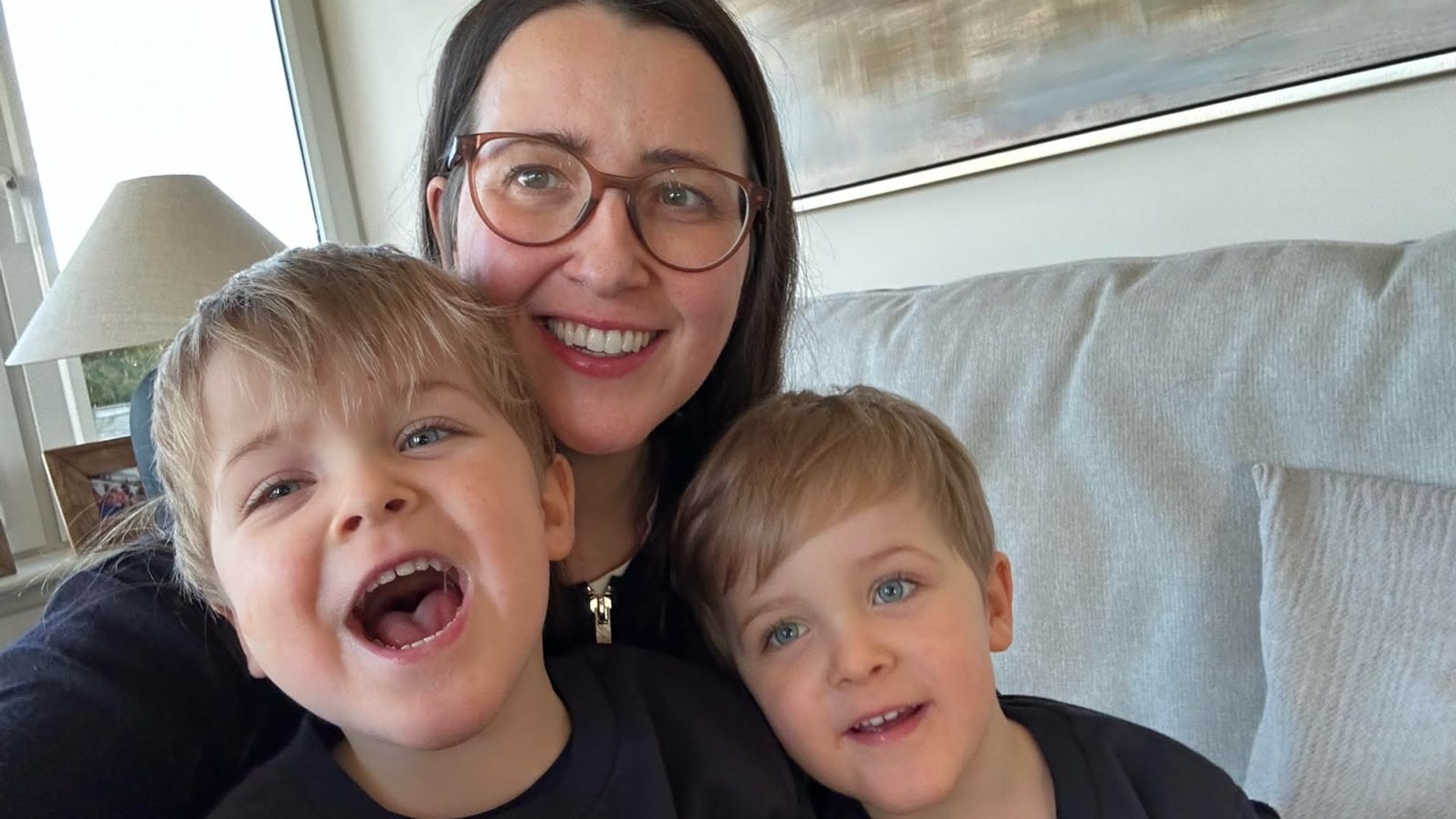
This isn't a hypothetical horror story. It's the exact reality faced by Kim Borthwick, a 35-year-old mother of twins from Glasgow. In January 2026, her life changed in a single afternoon. What she thought was a standard post-Christmas headache turned out to be glioblastoma, an incredibly aggressive, incurable form of brain cancer. Doctors told her that without immediate surgery, she had mere weeks to live.
When we read stories about terminal illness, we often focus on the emotional tragedy. We focus on the heartbreak of a young mom wondering if she will live long enough to see her four-year-old sons, Max and Freddie, start primary school. But there is another side to terminal brain cancer that rarely gets enough attention. It's the stark, frustrating truth about stagnant medical options, the staggering financial cost of staying alive, and the exhausting burden placed on families to hunt down experimental treatments outside the standard care system.
The Brutal Speed of a Glioblastoma Diagnosis
Glioblastoma doesn't give you time to adjust. It moves with a terrifying swiftness. For Kim, the gap between living a healthy, active life with her husband Ross and being rushed into a craniotomy was less than a week. Medics explicitly warned her that a delay of just a few more weeks would have triggered a fatal seizure.
The suddenness creates a unique kind of psychological trauma. One day you are planning family holidays; the next, you are facing a statistical reality where only about 5% of patients survive past five years. If a glioblastoma patient makes it to their 40th birthday, they are already in the top 10% of survivors.
The shock leaves families numb. You don't get time to process the grief because you are immediately thrown into a whirlwind of neurosurgery, appointments, and agonizing decisions. The immediate focus becomes survival, leaving the emotional fallout to be dealt with on the fly.
Why Standard Treatment Feels Like Stepping Back 30 Years
The most shocking realization for anyone entering the world of brain oncology isn't the diagnosis itself. It's the lack of progress.
When Kim was diagnosed, she discovered that the standard treatment plan on the NHS consists of surgery, followed by radiotherapy and chemotherapy. That sounds standard enough, until you realize this exact regimen hasn't meaningfully changed in three decades.
While treatments for leukemia, breast cancer, and melanoma have advanced rapidly with targeted therapies, brain cancer research has largely stalled. The blood-brain barrier remains an incredibly difficult hurdle for traditional drugs to cross. Because of this, patients are left with a medical toolkit from the 1990s.
For an aggressive tumor like a grade 4 glioma, this standard care is rarely a cure. It's a temporary pause button. The tumor almost always grows back. When the standard UK options are exhausted, patients are effectively told that the medical system has done all it can do.
The Financial Cost of Chasing Hope Abroad
When the domestic healthcare system runs out of answers, the search for time becomes a global effort. For Kim, this meant looking toward Germany, specifically the IOZK clinic in Cologne.
The clinic offers a personalized immunotherapy treatment. This therapy essentially trains the patient's own immune system to identify and attack the remaining tumor cells. It isn't a guaranteed cure, but it represents the best shot at buying more years—precious time to watch young children grow up.
The catch is the price tag. Experimental treatments like these are not covered by public healthcare or standard insurance. Kim had to launch a massive fundraising campaign via Brainstrust, aiming to raise £200,000 just to access the clinic and cover associated medical travel costs.
While she successfully raised over £212,000 thanks to thousands of generous donors, it highlights a glaring injustice. Survival shouldn't depend on your ability to crowdfund. Countless families face the exact same diagnosis but simply don't have the network, the energy, or the resources to raise hundreds of thousands of pounds while fighting a terminal illness.
Practical Ways to Build a Legacy for Your Kids
When you are forced to accept that your time is limited, the focus shifts from a long-term future to concrete legacy building. Kim, who describes herself as a highly practical person, chose to face this head-on.
If you or a loved one are navigating a similar terminal diagnosis, waiting around isn't an option. Building a legacy requires immediate, deliberate action.
- Write future milestone cards. Kim began writing birthday cards for all the years she will miss, ensuring her presence is felt as her boys grow into men.
- Create a sentimental gift archive. Buying specific gifts for future graduations, weddings, or major life moments keeps a tangible connection alive.
- Record video and audio messages. Written words are powerful, but hearing a parent's voice or seeing their expressions provides comfort that nothing else can replicate.
- Establish a designated support network. Kim explicitly organized a tight, loving circle of friends and family to ensure her husband and kids are fully insulated and supported later on.
The goal isn't to pretend the end isn't coming. The goal is to minimize the long-term impact on young children, ensuring they know exactly how much they were loved.
Turning Personal Tragedy into Collective Advocacy
Fighting for your own life is exhausting enough, but many patients feel compelled to fix the broken system before they leave it. Kim joined the Brain Cancer Justice campaign group to demand better funding and faster access to trials.
The reality of brain tumor advocacy is tragic. As Kim noted, the disease is so aggressive that many people who try to raise awareness pass away before they can see their efforts bear fruit. This creates a continuous cycle where the movement constantly loses its most passionate voices.
The fight is currently scaling up. Campaigners are pushing for the NHS to speed up clinical trial approvals and to look more seriously at the immunotherapy models being used in Europe. Scottish Health Secretary Angela Constance acknowledged the advocacy efforts during Glioblastoma Awareness Week, but words from politicians don't change the fact that patients are running out of time today.
Even when the disease spreads—as Kim recently shared that scans revealed the cancer has traveled to her spine—the advocacy doesn't stop. It simply sharpens the focus on why better solutions are needed right now.
How You Can Support the Fight Against Brain Cancer
You don't have to wait for a personal diagnosis to get involved in changing these outcomes. The current medical landscape for brain tumors will only shift if there is sustained public pressure and funding.
- Donate directly to specialized charities. Organizations like Brainstrust and the Brain Tumour Charity fund the actual support systems and research tracks that patients rely on.
- Support individual medical crowdfunds. If you have the means, contributing to active campaigns for experimental treatments directly buys time for young parents.
- Lobbing for clinical trial reform. Write to your local political representatives to demand increased government research grants specifically ring-fenced for brain cancer research.