Your local corner shop is about to become a battleground for ID checks. If you are under 16, grabbing a Monster, Red Bull, or Prime before the school bell rings is officially off the table.
The UK government just confirmed a sweeping ban on selling high-caffeine energy drinks to children under 16 across England. Scheduled to hit full force in April 2027 under secondary legislation via the Food Safety Act 1990, this policy ends years of voluntary supermarket bans that basically had more holes than Swiss cheese.
Honestly, it is a massive shift. For years, major supermarket chains operated a voluntary ban, but smaller independent corner shops and vending machines often looked the other way. Not anymore. This legal hammer covers every retail setting imaginable: brick-and-mortar shops, online deliveries, cafés, pubs, and vending machines.
If you are a retailer thinking you can slide a can across the counter to a sleepy teenager, think again. The government is backing this with fines reaching up to £2,500 per violation. Local authorities will be actively policing it.
What Actually Counts as a Banned Drink
The legislation cuts straight through marketing jargon by focusing on a specific scientific threshold: any beverage containing more than 150 milligrams of caffeine per litre is out.
To put that into context, standard soft drinks like Coca-Cola or Pepsi fall well below this limit and are completely exempt from the ban. So are your standard cups of tea and coffee.
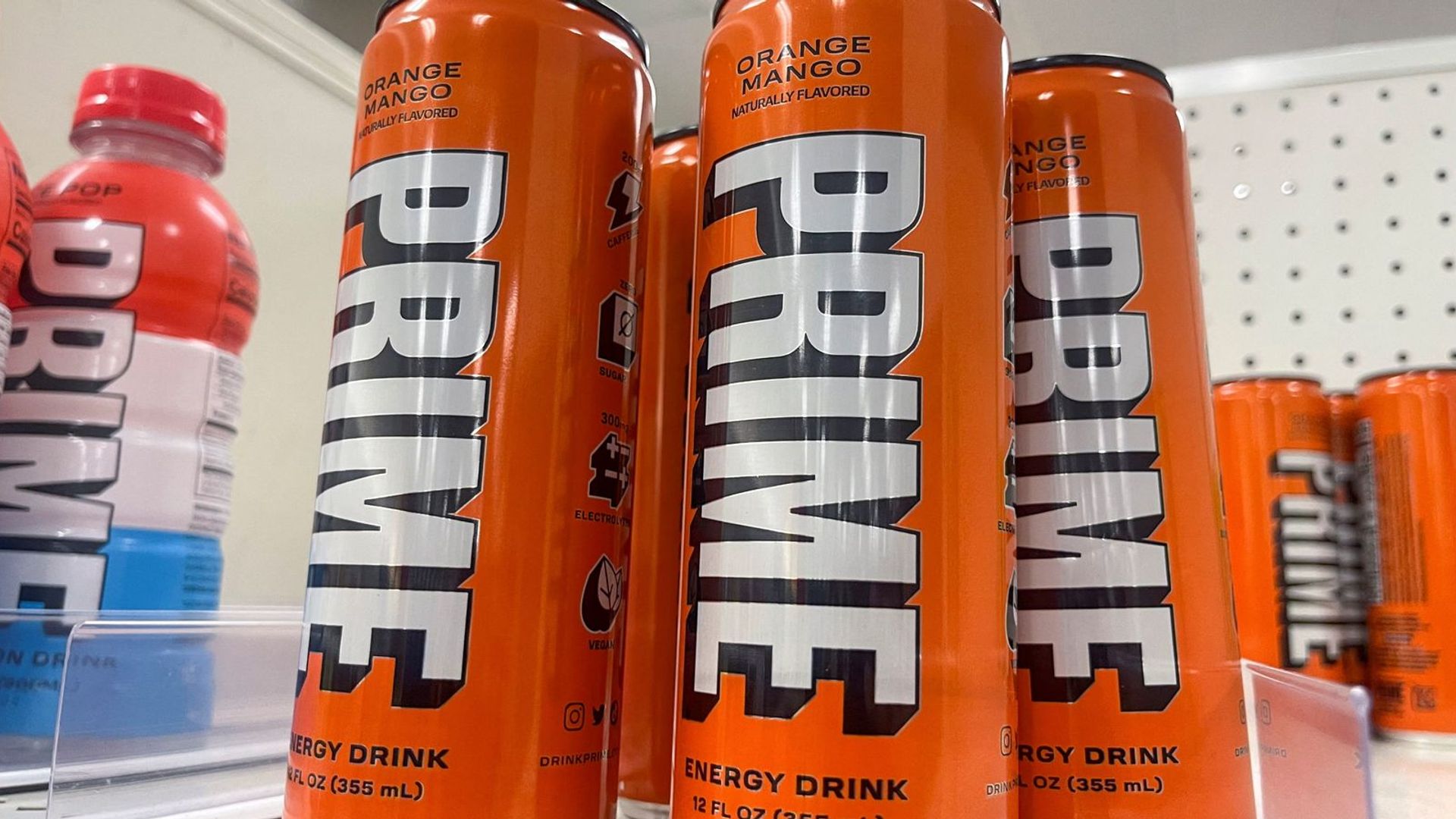
The real targets here are the ultra-potent cans filling school backpacks. Brands like Monster Energy, Red Bull, Rockstar, and the hyper-viral Prime Energy all comfortably clear the 150mg/l hurdle. The rule applies strictly to retail sales; business-to-business transactions are left alone, meaning wholesalers can still stock the shelves, but the final sale to a minor is a crime.
The Real Numbers Behind the Classroom Crash
Why the sudden aggression from policymakers? It comes down to raw data and a heavy dose of public exhaustion. A public consultation running late last year pulled in nearly 1,100 responses from health bodies, businesses, and parents. A staggering 90% of respondents backed a total ban based on age.
The Department of Health and Social Care estimates that roughly 100,000 children in England down these high-caffeine drinks every single day.
Public Health Minister Sharon Hodgson pointed out that high-caffeine energy drinks simply have no place in a child's hands. The medical evidence gathered by the government links regular consumption to severe sleep disruption, spikes in anxiety, tooth decay, and major concentration crashes in the classroom.
Celebrity chef Jamie Oliver, who heavily campaigned for this exact restriction alongside youth activist groups like Bite Back, noted that teachers shouldn't have to rewrite their entire lesson plans just because half the class is bouncing off the walls or crashing from a sugar and caffeine high.
There's also a stark socio-economic divide at play here. Government data shows that children living in more deprived areas consume these drinks at significantly higher rates than their peers. It creates a double whammy of poor physical health and fractured learning environments, widening an already painful educational gap.
The Logistical Headache for Retailers
While health advocates are celebrating, small business owners are sweating the execution. Turning a voluntary guideline into a statutory law means shop owners bear all the risk.
Implementing the ban requires treating energy drinks exactly like alcohol or tobacco. Shop workers will need to run strict Think 25 policies, asking for passports or driving licenses from anyone who looks remotely young. Vending machine operators will have to figure out age-verification tech or remove high-caffeine options entirely from locations accessible to minors.
Online grocery apps will need to integrate age-verification gates at checkout or require delivery drivers to check ID at the doorstep. It’s a massive operational shift for an industry used to treating these cans like basic soda.
Next Steps for Parents and Schools
April 2027 might feel like it is a way off, but the cultural shift starts right now. The government is tying this ban into a broader overhaul of school food standards aimed at raising the healthiest generation of kids ever.
If you are a parent or educator, don't wait for the law to catch up with the supermarket shelves. Talk to teenagers about the reality of caffeine dependency. Switch out the morning energy can for sustained-release energy options like oats, fruit, or just plain old water. Schools should review their on-site vending contracts immediately to ensure compliance before the local council comes knocking with a £2,500 penalty notice. The era of the unregulated teenage caffeine buzz is officially over.