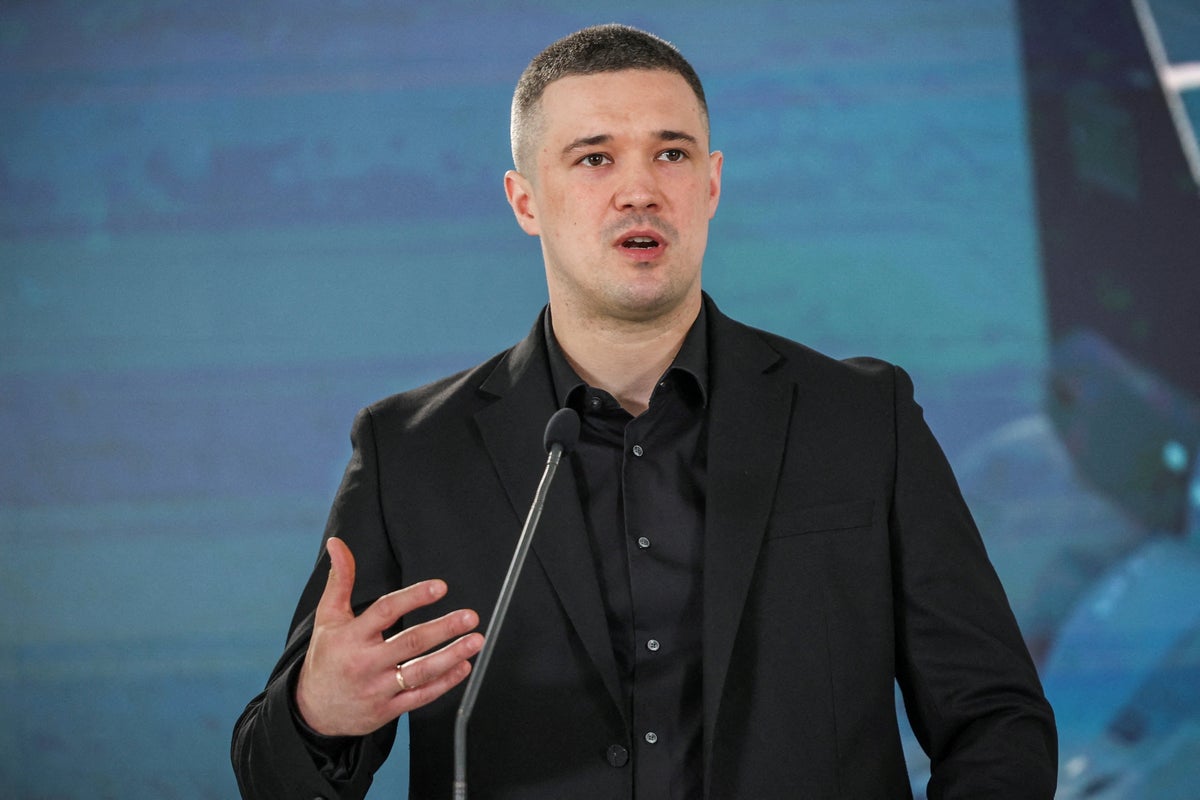
Volodymyr Zelensky just made his most dangerous political gamble since the 2022 invasion. By firing his 35-year-old defense minister, Mykhailo Fedorov, the Ukrainian president hasn't just reshuffled his wartime cabinet—he’s triggered an unprecedented wave of public fury and exposed deep fractures within Ukraine’s military and political elite.
Within hours of the decision, protesters flooded the streets of Kyiv, Lviv, and Odesa. Active-duty military commanders began resigning in protest. The shockwaves are still reverberating through the halls of parliament.
Fedorov wasn't just another bureaucrat. He was the digital architect of Ukraine's asymmetric war machine. His removal leaves Ukraine at a critical crossroads, right when the tide of the war seemed to be turning.
The Clash That Broke the Cabinet
You don't fire a highly popular defense minister during a war unless there's a massive, irreparable breakdown behind closed doors.
The breaking point wasn't corruption, and it certainly wasn't incompetence. It was an ideological war over how to fight. Fedorov, a young technocrat who previously ran Ukraine’s ministry of digital transformation, brought a startup mentality to a highly traditional defense ministry.
He believed in a decentralized, tech-first military. He prioritized cheap, mass-produced drones over bloated legacy procurement. He fought to bypass old-school command chains to get tech directly into the hands of soldiers on the front lines.
This approach put him on a direct collision course with Colonel General Oleksandr Syrskyi, Ukraine’s top military commander.
Syrskyi represents the traditional, centralized military establishment. According to government insiders, Fedorov's relentless push to overhaul how the Ministry of Defense operates created a systemic, ongoing conflict with the army’s high command. Fedorov openly admitted that he and Syrskyi had reached a point where they couldn't work together, with both men asking Zelensky to fire the other.
Ultimately, Zelensky chose the general over the technocrat after Syrskyi reportedly delivered a hard ultimatum.
Six Months of Fast Disruption
Fedorov was only in office for seven short months, but his impact on the battlefield was massive. Before taking over the defense ministry in January 2026, he built Ukraine’s "Diia" e-government application, turning state bureaucracy into a streamlined app. He applied that exact same mentality to weapons procurement.
During his brief tenure, he accomplished what prior ministers couldn't do in years:
- 采购改革: Fedorov cleaned up the ministry's notoriously opaque procurement system, saving the state billions of hryvnias and opening up the defense budget to competitive bidding.
- The Drone Explosion: Under his watch, Ukraine purchased more drones in four months than it did during the entire previous year. These cheap systems successfully targeted Russian oil refineries deep within Russia and choked off supply routes in occupied Crimea.
- Geopolitical Tech Wins: He personally persuaded Elon Musk to disable Starlink satellite terminals being used by Russian forces, cutting off Moscow's communication edge on the front.
- Anti-Corruption Drive: He cut out the traditional middleman networks that historically drained Ukraine's defense resources.
These reforms saved money, but they also made him some very powerful enemies among defense industry players who used to profit from government contracts.
Why the Streets are Screaming
The backlash to Fedorov's firing was instant and organic.
"Fedorov was not the problem. The problem is this government."
— Ukrainian student protesting in Kyiv
For younger Ukrainians and frontline soldiers, Fedorov was the face of a modern, clean, and forward-thinking Ukraine. They viewed his removal as a step backward—a return to old-school Soviet-style bureaucracy and top-down command.
The protests didn't just stay on the streets; they shattered the carefully maintained illusion of political unity in Kyiv.
Pavlo Yelizarov, the deputy commander of Ukraine's Air Force, immediately submitted his resignation in protest. He openly called the firing a "great evil" for Ukraine’s defense capabilities. Even members of Zelensky’s own political party broke ranks, with some resigning from the ruling faction to stand beside Fedorov.
The anger isn't just about personnel. It’s about strategy.
Protesters carrying signs reading "We want to fight with drones, not people" are pointing to a brutal reality. Fedorov wanted to use tech to save Ukrainian lives. Many fear his replacement—likely Ihor Klymenko, a traditionalist former police general—will pivot back to conventional, high-casualty warfare strategies.
What Happens Next
Zelensky is attempting to frame this as a routine cabinet refresh to re-energize the government. He's even hinted that Fedorov might stay on the team in some other capacity.
But Fedorov has already rejected offers to become a quiet presidential adviser. He’s not going quietly. In a remarkably blunt press conference, he warned that the trajectory of the war had been broken by political infighting, saying "Ukrainians can sense when decisions are no longer being made based on the values this country stands for".
For observers, allies, and everyday Ukrainians, the next steps are critical:
- Watch the Procurement Transition: The transparency reforms Fedorov introduced are fragile. Watch closely to see if the defense ministry slips back into backroom deals and opaque purchasing.
- Monitor the Frontline Drone Supply: Fedorov’s primary legacy was getting drones to the front without red tape. If bureaucratic bottlenecks return, Ukrainian frontline units will feel the shortage within weeks.
- The Political Fallout for Zelensky: Wartime elections are banned under martial law, but public trust is Zelensky's primary currency. This decision has burned a massive amount of goodwill with the country's most active, tech-savvy, and reform-minded citizens.
Zelensky got the unity he wanted between his top general and the defense ministry by removing the reformer. But by appeasing the military establishment, he may have triggered a domestic political crisis he cannot easily control.