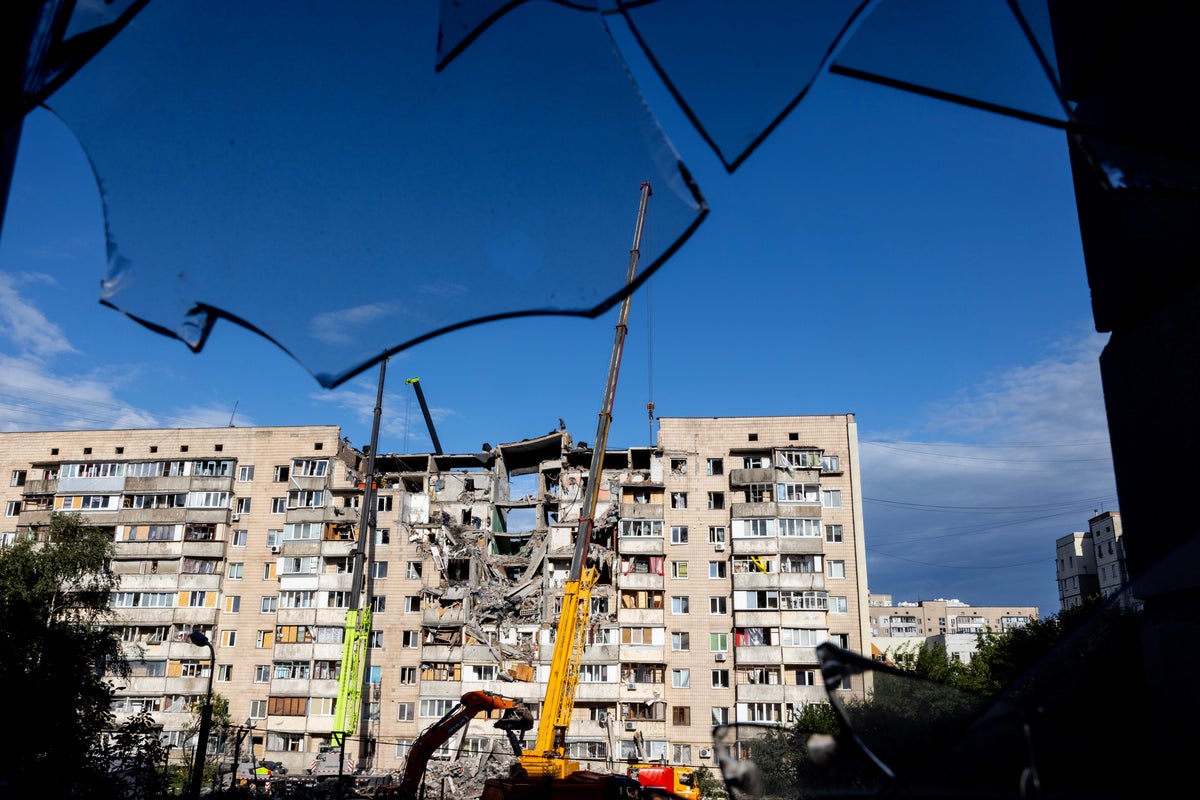
The math of modern warfare is brutal, and right now, it favors the aggressor. Moscow just proved this again by launching a massive overnight barrage of 68 missiles and over 350 attack drones straight at Ukrainian cities. While Ukrainian mobile fire groups and aviation put up a hell of a fight—knocking down 92% of the jet-powered Shahed drones and nearly every single cruise missile—the story flipped when it came to ballistics.
Russia's ballistic missiles tore through civilian areas in Kyiv and beyond, leaving dozens dead and close to a hundred injured. The reason isn't a lack of skill or bad radar tracking. It's a simple, terrifying supply problem. Ukraine is fresh out of Patriot interceptor missiles.
President Volodymyr Zelensky didn't mince words in his latest address. Western stockpiles are sitting on the very weapons that could stop this slaughter, yet Kyiv is left pleading for interceptors while its buildings burn. With a high-stakes NATO summit kicking off in Ankara, the diplomatic theater is colliding with raw battlefield reality. It's time to look past the political handwringing and understand why the current strategy of drip-feeding air defense is collapsing under the weight of Russian factories.
The Bottleneck Hidden Behind High Interception Rates
When you read headlines about Ukrainian air defenses stopping 90% of incoming threats, it's easy to get complacent. Don't fall for it. That number hides a fatal vulnerability.
Swarms of cheap, slow-moving drones can be managed with heavy machine guns, anti-aircraft cannons, and older Soviet systems. Even standard cruise missiles follow predictable paths that sophisticated Western tech can swat down. Ballistic missiles are a completely different animal. They fly high into the atmosphere and drop at hypersonic speeds. You can't shoot them down with a mobile truck team. You need a Patriot system. More importantly, you need the specialized interceptor missiles that fire from it.
Right now, Ukraine runs about eight operational Patriot batteries provided by the US and European allies. Zelensky has stated repeatedly that the country needs closer to 25 systems to secure its airspace nationwide. But having the launcher is only half the battle. A launcher without missiles is just an expensive piece of metal.
During the latest attack, the low interception rate on ballistics wasn't a technical failure. The interceptors simply weren't there to fire. Western allies have been terrified of depleting their own strategic reserves, resulting in a tightly metered supply chain that forces Ukrainian commanders to make impossible choices about which city or power plant to protect on any given night.
The Push for Domestic Production Licenses
Kyiv is shifting its strategy from asking for handouts to demanding the keys to the factory. Zelensky is actively pressuring US President Donald Trump and European leaders to grant manufacturing licenses so Ukraine can build Patriot interceptor missiles on its own soil.
The groundwork for this was laid out during discussions at the G7 summit in Évian, where leaders hinted at a willingness to consider joint production. For Ukraine, this isn't just about self-reliance; it's about survival. Local production eliminates the brutal logistics of shipping massive, sensitive military hardware across international borders under constant threat of espionage or sabotage. It also bypasses the domestic political gridlock in Washington and Western European capitals that frequently stalls aid packages.
If Ukraine can secure the technical data and licensing for the PAC-3 MSE interceptors—the advanced "Hit-to-Kill" missiles made by Lockheed Martin and RTX—they can build an industrial base integrated directly with European defense firms. Zelensky argues this wouldn't just save Ukrainian lives; it would alleviate the strain on Western stockpiles, effectively creating a secondary production hub that strengthens the entire democratic alliance.
Asymmetrical Warfare at 2500 Kilometers
While Russia tries to freeze and terrorize Ukrainian civilians from above, Kyiv isn't just sitting on defense. They are playing an aggressive, asymmetrical long game that is starting to severely rattle Moscow's economic engine.
As the missile defense crisis peaks, Ukraine has quietly scaled up a massive long-range drone campaign deep inside Russian territory. Upgraded Ukrainian "Firepoint" drones recently traveled an astonishing 2,500 kilometers to strike the Omsk oil refinery. Similar strikes hit the Yaroslavl refinery and multiple fuel storage facilities across occupied territories.
These operations are what Kyiv calls "long-range sanctions." They are systematically choking Russia’s domestic oil economy, sparking an unexpected summer fuel crisis right inside the Kremlin's borders. By taking out refining capacity, Ukraine forces Vladimir Putin to choose between fueling his military apparatus or keeping gas affordable for ordinary Russians. It's a calculated move to raise the economic cost of the war until Moscow finds the price too high to bear.
What Needs to Happen in Ankara
The upcoming NATO summit in Turkey cannot dissolve into another round of thoughts, prayers, and vague communiqués. If Western leaders want to prevent total infrastructural collapse in Ukraine, they have to pivot immediately.
First, the US must fast-track the PURL program (Production and Sustainment of Unit Readiness) and greenlight the immediate transfer of excess interceptor stocks from global warehouses.
Second, the Trump administration needs to make a firm decision on the Patriot production licenses. If the goal is truly to bring a swift, decisive end to the fighting from a position of strength, Ukraine must possess the independent capacity to deny Russia total air superiority.
Leaving Patriots locked away in Western warehouses while Ukrainian neighborhoods are leveled isn't strategic deterrence. It's a green light for continued ballistic terror.