Wall Street is quietly shifting its center of gravity. For decades, Europe held the crown as the second-largest playground for the world's biggest investment banks, trailing only the corporate powerhouse of the United States. That era is officially ending.
The frantic global rush to build artificial intelligence has triggered an unprecedented flood of capital into Asian tech infrastructure. It isn't just minting new tech billionaires; it's completely rewriting the revenue books for institutions like Goldman Sachs, JPMorgan Chase, and Morgan Stanley. Meanwhile, you can explore related stories here: Why The World Cup Beer Sales Spike Won't Save Big Alcohol.
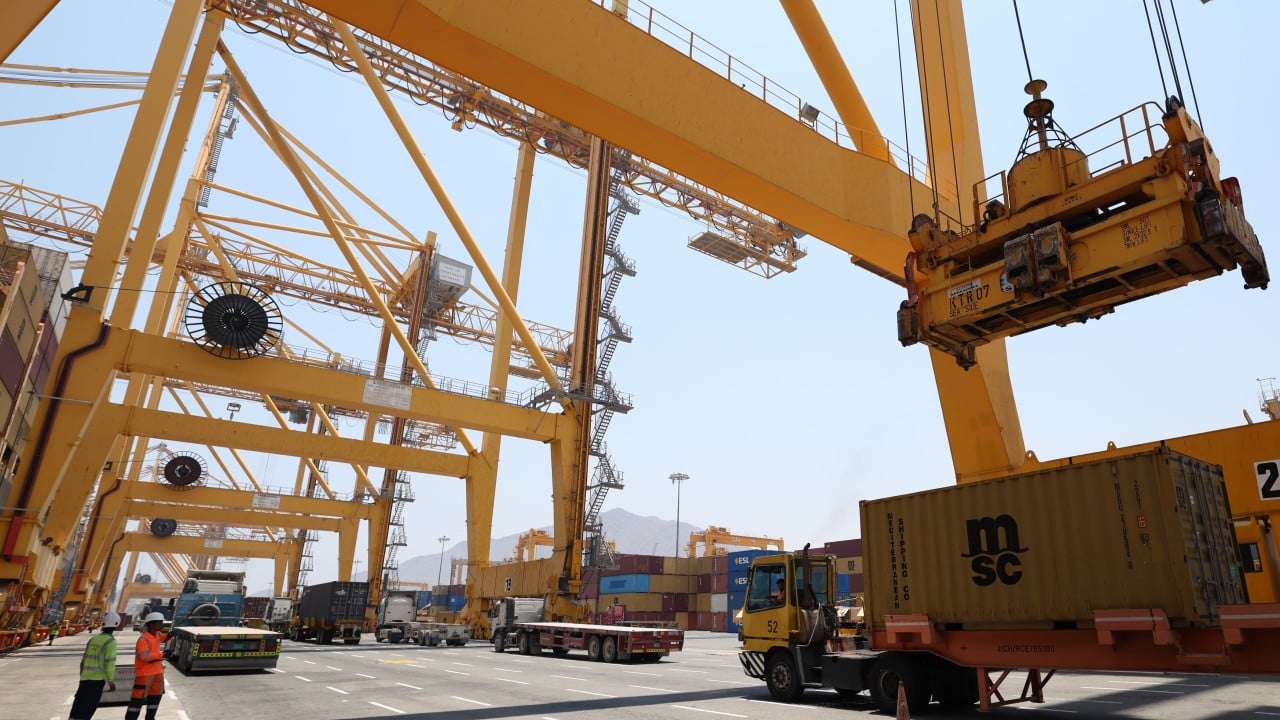
If you want to understand where the real money in AI is moving right now, you have to look past Silicon Valley's software labs. The action has moved to the manufacturing hubs of Asia, where the physical components of the AI revolution are actually built.
The Money Behind the Hardware
The numbers coming out of the latest banking reports are staggering. The largest global investment banks pulled in a record-breaking $25.7 billion from equities trading in a single quarter, specifically pointing to Asian market activity as the primary engine behind this massive spike. To see the full picture, check out the detailed article by Harvard Business Review.
Trading volumes across major Asian exchanges recently scaled past $52 trillion, nearly matching the $53.5 trillion recorded in North America during the same timeframe. This massive surge in trading activity means Asia is on track to officially overtake Europe this year in equities trading revenues for multiple Wall Street giants.
This shift isn't an accident. It's the logical conclusion of the "picks and shovels" investment thesis. While Western tech firms fight over user interfaces and large language models, Asian manufacturers control the critical bottlenecks of the physical supply chain.
Institutional capital has poured aggressively into companies essential to the AI semiconductor ecosystem. Investors aren't just buying standard tech stocks; they are targeting highly specialized players:
- SK Hynix: The South Korean memory giant supplying high-bandwidth memory chips essential for AI processing.
- TSMC: The Taiwanese foundry that serves as the manufacturing backbone for almost every major AI chip designer on earth.
- Cambricon Technologies: The Chinese AI chipmaker drawing intense domestic and regional interest.
Global asset managers need massive exposure to these entities, and they need Wall Street's trading desks to execute the complex funding, derivatives, and cash trades required to build those positions.
Shifting Capital to Where the Volatility Is
To keep up with this demand, top-tier banks are actively diverting financial resources away from other traditional markets. Executive leadership at one major US bulge-bracket firm acknowledged that accommodating the massive scale of their Asian trading clients has forced them to pull back and become less accommodating to clients in other regions.
The primary driver behind this repositioning is prime brokerage—the lucrative business of lending capital and executing trades for hedge funds and institutional players. According to trading heads at JPMorgan, if the current growth trajectory holds steady, Asia could soon become the single largest region globally for prime brokerage lending.
Computer-driven quantitative funds have been particularly active, exploiting structural realities unique to these markets. For instance, strict regulations and operational difficulties tied to short-selling equities in mainland China—a market dominated heavily by volatile retail investors—create distinct pricing inefficiencies. For a sophisticated algorithm, those inefficiencies are pure profit.
The Invisible Risks of the Asian Tech Boom
It's easy to get caught up in the record revenues, but Wall Street insiders are quietly growing anxious about the hidden vulnerabilities building within these trading books. The concentration of capital is immense, creating highly correlated risks.
Goldman Sachs equities executives have openly voiced concerns regarding what happens if the foundational AI investment thesis experiences a sudden, violent reversal, or if a cluster of major quantitative funds all attempt to unwind their identical positions at the exact same moment. When everyone trades the same direction on the same handful of chip stocks, the exit doors get incredibly narrow.
Geopolitics present an even more unpredictable threat. The total freezing of Russian assets following western sanctions served as an explicit wake-up call to risk departments. In response, major institutions like Goldman Sachs, Morgan Stanley, and JPMorgan have quietly restructured their formal legal agreements with clients, tightening terms around Chinese securities to protect the banks from sudden regulatory or diplomatic escalations.
Your Next Steps as an Investor
If you're managing an institutional portfolio or simply tracking macroeconomic shifts, sitting on the sidelines of this geographic rebalancing isn't an option. Here's how to navigate this evolving market dynamic:
- Audit Your Hardware Correlation: Review your tech exposure to ensure you aren't overly exposed to a singular point of failure in the East Asian hardware supply chain. Diversification across design and physical packaging is crucial.
- Monitor Prime Brokerage Leverage: Keep a close eye on systemic leverage indicators within prime broker reports. High concentrations of quantitative fund capital in specific Asian tech names mean volatility will strike fast when macro conditions shift.
- Evaluate Geopolitical Containment Strategies: Ensure your trading agreements and custody arrangements account for sudden regulatory shifts or cross-strait trade tensions.