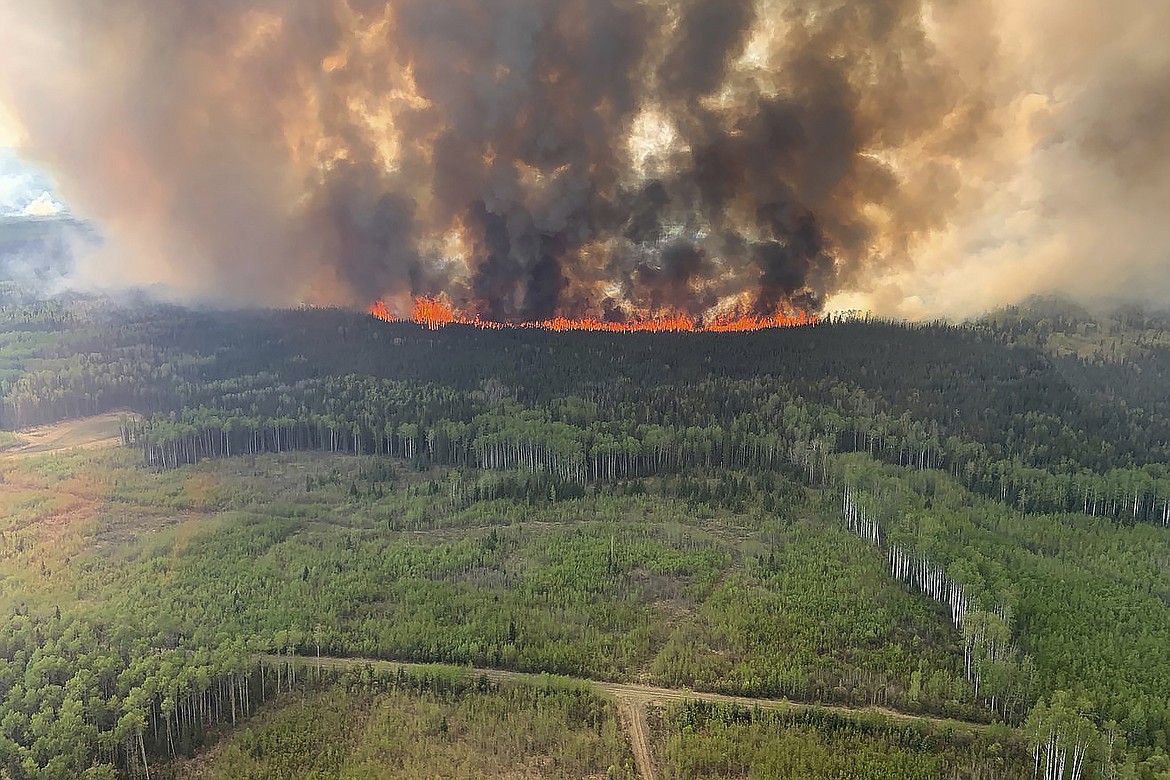
Donald Trump wants you to believe the war with Iran is basically over. He wants to talk about the grand bargain, the June 17 Memorandum of Understanding, and how his administration brought Tehran to its knees after the stunning opening salvo of Operation Epic Fury. But if you're looking at the actual black smoke rising over the Persian Gulf right now, the reality tells a completely different story. The brief, fragile truce has collapsed. Missiles are flying again, commercial tankers are burning in the Strait of Hormuz, and the global energy market is bracing for a long, ugly winter.
The main threat driving the US Iran conflict right now isn't just about nuclear centrifuges anymore. It's about who owns the most critical maritime chokepoint on earth.
When Trump declared on social media that the ceasefire was over after Iranian forces targeted commercial vessels, he exposed the fundamental flaw in his own diplomatic strategy. You can't bomb a regime into signing a vaguely worded document and expect them to suddenly stop acting like a regional power. The current escalation proves that the war didn't end with the death of Grand Ayatollah Ali Khamenei back in February. It just entered a more unpredictable, decentralized phase.
If you are trying to make sense of what happens next, you need to ignore the political theater coming out of Washington and Tehran. Here is the unvarnished breakdown of where this conflict is actually heading, what the negotiators in Switzerland aren't telling you, and how it directly impacts global stability.
The illusion of the June peace agreement
To understand why the current fighting is breaking out, you have to look at what went down in June. The United States and Iran signed a framework mediated by Pakistan that gave both sides 60 days to hammer out a final treaty. Trump wanted a quick win so he could pivot back to domestic politics and celebrate the American semiquincentennial. Iranian President Masoud Pezeshkian needed immediate relief from the crushing naval blockade that was strangling his country's economy.
They both signed a document that was so poorly defined it was practically designed to fail.
The biggest point of friction is the Strait of Hormuz. Iran views the strait as its ultimate economic weapon. Since twenty percent of the world’s petroleum transits through that narrow body of water, Tehran knows it holds the global economy by the throat. The loosely written memorandum allowed Iran to claim it still possessed the right to regulate shipping lanes, manage traffic, and even threaten to collect transit fees from commercial ships.
Washington expected Iran to simply step aside and allow unhindered freedom of navigation under the watchful eye of the US Navy. That was wishful thinking.
The Iranian leadership didn't back down. Instead, the Islamic Revolutionary Guard Corps began stopping tankers, demanding they follow newly invented Tehran-approved routes, and firing at vessels that refused to comply. When three commercial ships were attacked over a single weekend, Trump's patience ran out. He ordered retaliatory airstrikes on Iranian ports, coastal radar units, and railway networks. The truce was dead before the ink could even dry.
What the public gets wrong about Operation Epic Fury
Most analysts talk about the February 28 opening strikes as a tactical masterpiece. US and Israeli forces launched nearly 900 strikes in less than half a day, decimating air defenses and killing Khamenei along with dozens of top-tier military commanders. On paper, it looked like total decapitation.
In practice, it created a chaotic hornets' nest.
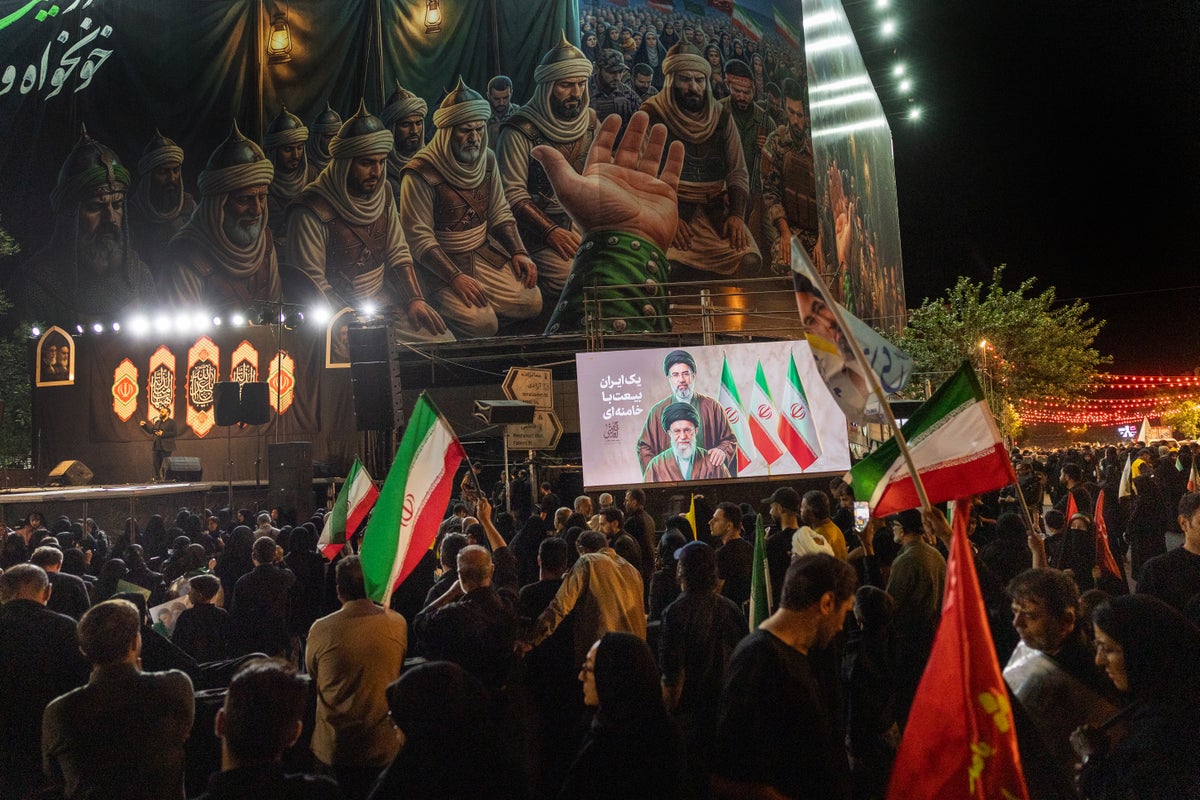
Removing the central authority figure didn't make Iran surrender unconditionally, despite Trump's public demands. It caused the remaining hardline factions within the IRGC to double down to prove their resilience to the domestic population. The funeral processions for Khamenei in July became massive, state-sanctioned rallies calling for prolonged resistance and asymmetrical vengeance.
The regime is using a classic escalation ladder strategy. They know they can't match the US Navy in a conventional firefight. They don't want to. They want to make the cost of American involvement so high that Washington eventually blinks. By striking US assets in Bahrain, Jordan, and Kuwait, and by mining the waters of the Gulf, Iran is showing that it can inflict pain far beyond its own borders.
The direct economic fallout for global markets
This isn't just a military crisis. It's an immediate threat to corporate supply chains, shipping logistics, and consumer prices worldwide. If you operate in energy, retail, or manufacturing, the instability in the Gulf changes your cost structures overnight.
Brent crude oil prices have already spiked by more than three percent following the weekend attacks. While prices haven't hit the absolute record peaks seen during the initial winter outbreak of the war, the volatility is killing market confidence. Shipping companies are facing a nightmare scenario. Maritime insurance premiums for transiting the Gulf of Oman have skyrocketed, forcing some operators to bypass the region entirely or sue for safety guarantees.
When traffic through the strait drops significantly, the ripples hit everywhere. Gas prices at local pumps react almost instantly. Energy-intensive industries are watching their margins shrink. For countries in Asia that rely heavily on Middle Eastern crude, this conflict is forcing a massive, expensive shift toward alternative energy suppliers, disrupting long-term corporate planning and national security strategies.
Three scenarios for what happens next
The current situation is highly fluid, but the geopolitical drivers point to three distinct paths over the coming weeks.
Scenario one, the cycle of managed violence
This is the most likely path. Both sides continue to trade punches while keeping the diplomatic backchannel in Switzerland open. Trump will order localized airstrikes against IRGC missile batteries and fast boats to show strength. Iran will respond with drone swarms against regional bases and low-level harassment of tankers. Neither side goes all-in for a total war, but the constant friction keeps oil markets stressed and prevents a true economic recovery in the region. It's a grueling negotiation carried out through explosions.
Scenario two, the total maritime shutdown
If an IRGC missile happens to sink a major US naval vessel or a massive oil supertanker blocks the navigable channels of the strait, the conflict enters hyper-escalation. The US would likely respond with a full-scale naval blockade, attempting to shut down every single Iranian port and targeting the country’s remaining energy infrastructure. In retaliation, Iran could deploy its extensive stockpile of anti-ship cruise missiles and sea mines, completely closing the Strait of Hormuz for months. Global energy markets would go into a tailspin, sending inflation surging at a time when central banks are already struggling.
Scenario three, the face-saving renegotiation
Trump hates looking like he failed to secure a deal. If the pressure from rising domestic fuel prices becomes too intense, the White House might swallow its pride and offer deeper concessions in Geneva or Islamabad. This would mean unfreezing more Iranian assets and ignoring Tehran's low-level maritime interference in exchange for a verified halt to tanker attacks. It wouldn't solve the structural roots of the US Iran conflict, but it would buy temporary peace through what critics would call a massive diplomatic payout.
Actionable steps for navigating the crisis
If your business or investment portfolio is exposed to global energy markets or international shipping logistics, you cannot afford to wait and see how the talks in Switzerland play out. You need to actively mitigate your risk right now.
First, diversify your logistics routes immediately. If your supply chains rely heavily on maritime transit near the Arabian Peninsula, start shifting allocations to overland rail or alternative shipping corridors that avoid the chokepoints of the Middle East entirely.
Second, re-evaluate your energy hedging strategies. Relying on spot-market pricing for oil or natural gas during a hot war in the Persian Gulf is gambling with your operational budget. Lock in long-term supply contracts or utilize financial hedges to protect your business from sudden, multi-dollar spikes in crude prices.
Third, audit your insurance policies for war-risk clauses. Many standard maritime and cargo insurance contracts contain exclusions or severe premium hikes during active hostilities. Confirm exactly what is covered when vessels enter high-risk zones so you aren't left holding the bill for damaged or delayed cargo.
The conflict between Washington and Tehran isn't going to disappear because of a signed piece of paper or a tough press conference. The structural issues are too deep, the mistrust is too old, and the stakes over global energy control are simply too high. Prepare for a prolonged period of geopolitical volatility, build flexibility into your corporate operations, and protect your capital from the fallout of a war that refuses to die.