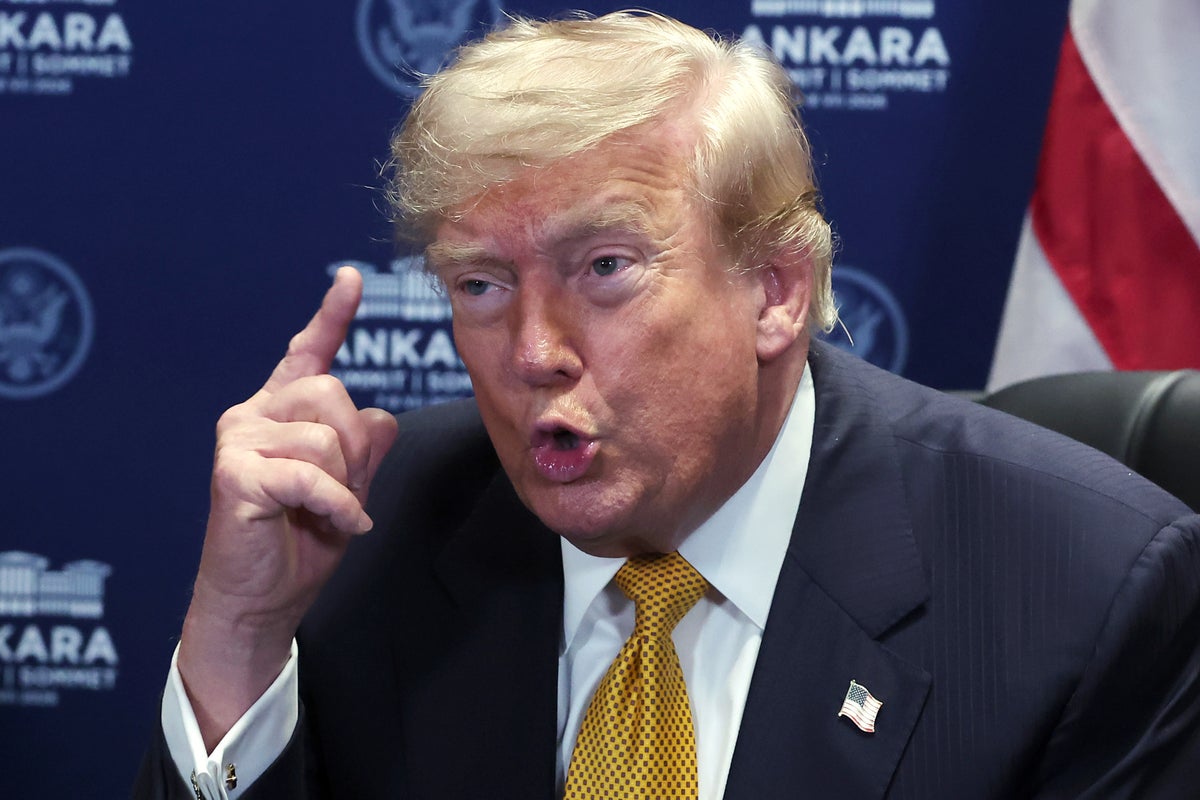
The short-lived peace deal between the United States and Iran didn't just crack. It shattered completely at a NATO summit in Ankara.
President Donald Trump didn't mince words when reporters asked if the June 17 memorandum of understanding was dead. He bluntly declared it over. He called the leadership in Tehran scum, sick people, and cuckoo.
This isn't just standard political theater. It's a rapid slide back into open conflict that threatens to choke global energy markets. Oil prices instantly jumped over five percent following his remarks. Brent crude shot past $78 a barrel, while West Texas Intermediate climbed over $74. Investors are panicked, and honestly, they have every reason to be.
The truce lasted barely three weeks. Anyone tracking the geographic realities of the Strait of Hormuz knew this ceasefire was built on quicksand. The fundamental disagreement over who controls the world's most vital energy choke point was never solved. It was just swept under the rug for a few days.
The Overnight Spark That Blew Up the Truce
Everything unraveled in a matter of hours. The US military launched a massive wave of strikes targeting more than 80 sites inside Iran. This wasn't a minor warning shot. American forces pounded air defense systems, command networks, coastal radar stations, and dozens of Islamic Revolutionary Guard Corps speedboats.
The Pentagon claims this massive bombardment was a direct response to Iranian attacks on three commercial vessels transiting the Strait of Hormuz. One of those ships, the Al-Rekayyat, was moving along the Omani coast toward India when it was hit. Iran insists that ships must use its approved routes, effectively trying to collect tolls and control international waters. Washington called it illegal extortion.
Tehran didn't take the American strikes lying down. The Revolutionary Guards quickly claimed they targeted 85 US military facilities across Kuwait and Bahrain. Bahrain happens to host the US Navy's 5th Fleet, making it a massive target. They also claimed to have downed an American MQ-9 Reaper drone, though the Pentagon hasn't confirmed that part yet.
What we're looking at is the most intense exchange of fire since the initial phase of the war earlier this year. The illusion of a diplomatic breakthrough is gone. Both sides are trading heavy blows, and neither is showing a willingness to back down first.
Inside the Angry Rant in Ankara
Trump’s public announcement didn't happen in a vacuum. It went down right next to NATO Secretary General Mark Rutte. European leaders were already sweating through a tense dinner the night before, worried about the American president's mood. Their fears were totally justified.
Trump used the media appearance to air a long list of grievances. He blasted Iran for allegedly lying to the press about the terms of the nuclear discussions. According to Trump, everyone had privately agreed on a "no nuclear weapon" policy, only for Iranian officials to step outside and tell reporters they never even talked about it.
But Trump didn't stop at bashing Tehran. He turned his anger directly on his own allies. He expressed deep frustration that European NATO members refused to help with the war effort. He complained bitterly that the UK wouldn't let US bombers use its island bases for two weeks during the spring campaign, forcing long round-trip flights back to alternate stations. He named France and Germany as well, accusing them of abandoning the US when dealing with the world's primary state sponsor of terror.
Rutte tried to smooth things over by flattering Trump and pointing out that only a few isolated cases involved flight restrictions. He even reminded everyone of an Arctic patrol deal made in Davos. It didn't work. Trump was already moving on to other complaints, even threatening to cut off trade with Spain over a defense spending dispute. The NATO summit was supposed to showcase unity and a massive joint arms procurement plan. Instead, it became a stage for a crumbling Middle East strategy.
A War Built on Failed Assumptions
To understand why this ceasefire collapsed so fast, you have to look back at how this war started in February. The conflict kicked off with US and Israeli strikes aimed at forced regime change in Tehran. For a moment in March, Washington thought it won. A decapitation strike took out Supreme Leader Ali Khamenei.
But the regime didn't collapse. Instead, Khamenei’s son, Mojtaba Khamenei, took power. His very first public message was a direct threat of wider war with America. The assumptions made by Western planners were completely wrong. They thought removing the top tier of leadership would break the government's back. It didn't. It just hardened their resolve.
During the short truce, Iranian officials started appearing in public again during mourning rituals for the late Supreme Leader. They emerged from hiding looking emboldened, not defeated. Meanwhile, Trump faced intense pressure at home. Domestic critics hammered him for easing economic sanctions too early without securing long-term nuclear guarantees. Trump was also terrified of looking like a modern-day Herbert Hoover, watching the economy tank due to an energy crisis. He wanted a quick deal to open the Strait of Hormuz, through which 20 percent of global oil flows. He rushed into an unstable agreement, and now the blowback is arriving.
What Most People Get Wrong About the Strait of Hormuz
A lot of commentators treat the maritime conflict as a series of random, aggressive outbursts by Iranian forces. It's actually a highly calculated strategy. Iran knows it can't match the US military in a conventional, open-skies fight. They admit they're behind on advanced equipment.
They make up for it by utilizing asymmetric geography. The Strait of Hormuz is incredibly narrow. By using mobile missile launchers, naval mines, and fleets of small speedboats, Iran can effectively hold the global economy hostage. Their parliamentary speaker, Mohammad Bagher Ghalibaf, made it clear on social media that they view Western actions as bullying and won't fold under pressure.
Iran's military leadership is openly daring the US to put boots on the ground. They know the American public has zero appetite for a massive land invasion in the Middle East. So, Iran plays to its strengths. They disrupt shipping, spike the price of crude, and force the US to expend millions of dollars in smart munitions to defend commercial cargo hulls. It's an economic war of attrition, and a temporary memorandum of understanding was never going to change that reality.
The Immediate Impact on Global Markets
You should prepare for significant economic volatility in the coming days. The collapse of the peace process means shipping insurance rates for vessels navigating the Persian Gulf are going to skyrocket again. Some international carriers might avoid the route entirely, forcing tankers to take the long way around Africa. That adds weeks to transit times and drives up fuel costs globally.
Supply chains that were just starting to stabilize after the June 17 agreement are staring down another round of disruptions. If you're running a business dependent on global manufacturing or energy inputs, inflation isn't going away anytime soon. Central banks will likely have to keep interest rates higher for longer to combat these rising energy costs, killing hopes for a smooth economic cooling period.
Your Strategic Next Steps
Don't wait around for the diplomatic situation to miraculously fix itself. It's time to build resilience into your own operations and financial planning.
First, audit your supply chain immediately. Identify any dependencies on shipping routes tied to the Middle East or energy-intensive manufacturing hubs. Start scouting alternative suppliers in regions less exposed to geopolitical flare-ups.
Second, re-evaluate your energy exposure. If you manage corporate budgets, hedge your fuel and energy costs now before oil climbs any higher toward the hundred-dollar mark.
Third, diversify your investment portfolios. Geopolitical shocks favor defensive assets. Look into increasing allocations in commodities, defense contractors, and localized supply chain infrastructure that don't rely on volatile maritime corridors.
The era of cheap, uninterrupted global shipping is facing its toughest test yet. Relying on fragile political handshakes between bitter adversaries is a losing strategy.