Street protests in Kyiv just reached a boiling point, and the target isn't who you might expect.
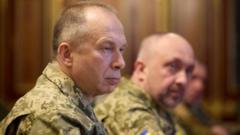
Crowds are demanding the removal of army chief Oleksandr Syrskyi following a political decision that stunned military observers across Europe. Ukrainian President Volodymyr Zelensky cleared out the cabinet, ousting former defense minister Mykhailo Fedorov in the process. Fedorov had built a massive reputation by accelerating drone technology and streamlining military logistics. Now, citizens and military supporters are giving the leadership a strict deadline to bring Fedorov back and replace Syrskyi.
This crisis didn't happen in a vacuum. It represents a massive clash between old-school military command and modern tech-driven warfare strategies.
The Breaking Point in Kyiv High Command
Political tensions in Kyiv have been brewing for months, but the sudden dismissal of the defense cabinet lit the fuse.
When Mykhailo Fedorov was ousted from his defense post, he had only been in the role for six months. During that short window, he pushed heavily for systemic reform, drone autonomy, and direct accountability within army ranks. His dismissal felt abrupt to a public exhausted by years of heavy fighting.
To make matters worse, Parliament didn't immediately appoint a permanent replacement to lead the Defense Ministry or Foreign Affairs. Instead, lawmakers went on recess, leaving crucial posts open during an active war. That move ignited public fury. Protesters outside government buildings are now setting strict timelines for Fedorov's reinstatement while demanding Syrskyi hand over command of the armed forces.
Why Protesters Are Targetting Oleksandr Syrskyi
Oleksandr Syrskyi took command of Ukraine's armed forces during a difficult transition period. While he engineered crucial victories earlier in the war, his conventional tactics have faced mounting internal criticism.
Frontline soldiers and drone operators often express frustration with traditional Soviet-style command hierarchies. They argue that top-heavy decision-making slows down reaction times against flexible enemy units. Fedorov represented the exact opposite approach—decentralized tech, rapid iteration, and cutting red tape for frontline brigades.
Public dissatisfaction expanded further as reports surfaced about internal disciplinary scandals and organizational friction in specific assault regiments. When systemic issues meet high casualties, public patience evaporates quickly. Protesters see Syrskyi as the face of a military apparatus resisting modern reform.
Drone Warfare vs Traditional Strategy
The core argument inside Ukraine's leadership comes down to war doctrine.
Fedorov built his reputation on the "Army of Drones" initiative long before taking the defense minister role. His view was simple. Cheap, mass-produced unmanned aerial vehicles (UAVs) combined with real-time satellite data protect infantry lives and destroy expensive heavy armor at a fraction of the cost.
On the other side, traditional military leaders emphasize heavy artillery, infantry mass, and fortified defense lines. While both elements are necessary, the friction lies in resource allocation and decision speed.
When the government side-lined Fedorov, drone developers and frontline operators felt their momentum was being sacrificed to protect bureaucracy.
Here is how the two approaches contrast in practice on the ground:
Under the traditional command approach, tactical decisions flow upward through multiple layers of headquarters before approval comes down. Procuring custom electronic warfare equipment or non-standard drones requires months of paperwork. Field commanders have limited authority to adapt equipment on the fly.
Under the tech-first defense model championed by reformers, drone squads receive direct funding and procurement authority. Software updates for electronic defense tools roll out in days, not months. Frontline feedback directly shapes factory production schedules without administrative delays.
The clash between these two operational mindsets created a wedge that political maneuvers could no longer hide.
The Public Trust Deficit During Wartime
Maintaining national unity during a prolonged conflict is brutally tough. When leaders make sudden personnel changes without clear explanations, trust breaks down fast.
Zelensky's decision to reset the entire cabinet just to remove key defense figures struck many citizens as erratic. People want predictability from their government, especially when facing an aggressive enemy on their border. The lack of clear communication regarding why Fedorov was replaced only fed speculation about internal political rivalries.
Civil society groups and veteran organizations in Kyiv aren't staying silent. They view Fedorov as an outsider who was actually fixing broken military systems. By demanding his return, the public is sending a direct message to Zelensky. They expect competence and transparency over political maneuvering.
Practical Steps to Monitor Ukraine Military Command Changes
If you want to understand where this conflict goes next without getting caught up in rumor cycles, keep an eye on these specific indicators over the next few weeks.
Track Parliamentary Reconvening Dates
Watch when Ukraine's Parliament returns from recess to address vacant defense leadership positions. Voting records on the next defense minister candidate will reveal whether Zelensky still holds a strong governing coalition or if opposition factions can force compromise.
Follow Official Drone Procurement Metrics
Keep track of official announcements regarding state budget allocations for uncrewed systems. If funding drops or drone procurement gets absorbed back into legacy defense structures, it signals a retreat from Fedorov's tech-first vision.
Monitor Frontline Officer Reactions
Pay close attention to statements from active unit commanders, particularly those in assault and tech-focused brigades. Public statements or open letters from battlefield officers carry huge weight in Ukrainian civil society and often force policy shifts faster than political debates.
Check International Security Aid Deliveries
Watch how Western defense partners react during upcoming contact group meetings. Foreign aid commitments often hinge on operational transparency and institutional stability within the recipient defense ministry.
The tension in Kyiv proves that military strategy cannot be separated from public trust. Whether the government reinstates key reformers or doubles down on its current leadership structure, the demand for modern, accountable defense leadership isn't going away.