India stands at a massive trade crossroads. On July 15, 2026, the landmark Comprehensive Economic and Trade Agreement (CETA) between India and the United Kingdom officially enters into force. This is not just another standard trade agreement signed to grab a few positive headlines. It is the definitive testing ground for New Delhi's broader ambitions across the Western world. If India can make this work, it creates an immediate blueprint for upcoming, highly complex negotiations with the European Union, Canada, and potentially even Washington.
For years, Western trade negotiations with India routinely stalled over the same predictable roadblocks. Western nations demanded massive tariff cuts on luxury items and automotive products. India pushed back, fiercely protecting its domestic manufacturers while demanding easier visa access for its vast pool of skilled professionals. The UK deal proves that both sides can finally get past these old arguments.
It did not happen overnight. It took fourteen exhausting rounds of negotiations, multiple political shifts in London, and intense final posturing over steel quotas and national insurance exemptions to drag this over the finish line. Businesses now have a concrete framework that aims to push bilateral trade up to $120 billion by 2030. Here is how the deal actually functions, what it reveals about India's new economic strategy, and what it means for the global trade arena.
The Reality of What Both Sides Swapped
Trade negotiations are brutal exercises in compromise. To understand why this agreement matters as a blueprint, you have to look at the exact mechanics of the exchange. New Delhi did not get everything it wanted, and neither did London. But both walked away with significant wins.
What India Secured for Its Exporters
India walked away with duty-free access for 99% of its products entering the UK market. This gives a massive boost to labour-intensive manufacturing sectors that have historically struggled against high tariff walls in the West.
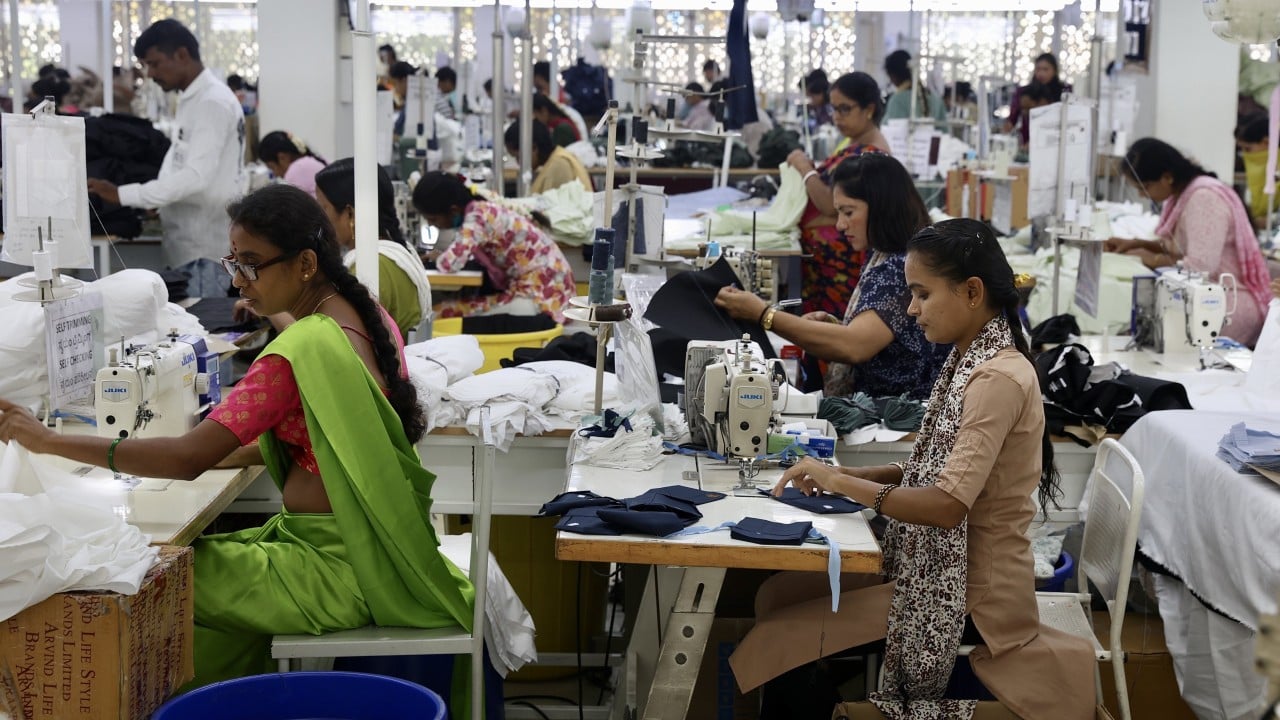
- Textiles and Footwear: Indian apparel and footwear exporters previously faced UK duties ranging anywhere from 4% to 16%. Those disappear immediately, allowing manufacturing hubs in places like Tiruppur and Surat to compete directly on price against rivals in Vietnam and Bangladesh.
- The Mobility Compromise: One of the final sticking points was the Double Contribution Convention. Under this companion framework, Indian professionals on temporary assignments in the UK are officially exempt from paying dual social security contributions. This saves millions for major IT firms.
- Assured Temporary Entry: London agreed to clear paths for specific professionals, including IT specialists, engineers, and healthcare workers, allowing them to provide services without getting bogged down in traditional, restrictive immigration pathways.
What the United Kingdom Got in Return
The UK government desperately needed a major post-Brexit win, and they secured it by cracking open parts of India's historically protected market.
- The Whisky Breakthrough: India loves Scotch whisky, but a massive 150% import tariff kept it out of reach for most consumers. Under CETA, that tariff drops immediately to 75%, with a phased reduction down to 40% over the next decade.
- Automotive Access: British car manufacturers get a significant tariff reduction on vehicles, including electric vehicles. This gives premium British automotive brands an edge in a rapidly expanding consumer market.
- Government Procurement: In a major policy shift, India opened up its central government procurement market, valued at roughly £38 billion annually. UK suppliers can now bid for these lucrative government contracts on equal footing with domestic Indian firms.
Why the EU and the US Are Watching Closely
Brussels and Washington are studying the text of this deal with intense scrutiny. For decades, Western trade negotiators treated India as an impenetrable fortress of protectionism. The UK deal completely shatters that narrative. It shows that New Delhi is willing to cut tariffs on sensitive sectors if the Western partner offers genuine concessions on services and professional mobility.
The European Union is currently locked in its own slow-moving trade talks with India. The EU routinely demands strict commitments on environmental regulations, human rights, and deep labor reforms. India has historically viewed these demands as veiled attempts to undermine its domestic industries. By using the UK deal as a baseline, India can now turn to Brussels and point out that a major Western economy successfully negotiated a comprehensive deal without forcing unviable regulatory overhauls on Indian businesses.
The deal also serves as a strategic counterweight. As supply chains diversify away from over-reliance on a single East Asian manufacturing giant, Western nations need reliable economic anchors in Asia. India knows it holds the cards here. CETA proves that New Delhi can leverage its massive domestic market to extract highly favorable terms for its service workers.
The Friction Points Nobody Wants to Talk About
It is easy to get caught up in the celebratory numbers provided by government press offices. The UK government claims the deal will boost British GDP by £4.8 billion in the long run. New Delhi highlights massive job creation in manufacturing clusters. But beneath the surface, significant friction points remain that will test the durability of this blueprint.
The biggest hurdle for Indian businesses will not be tariffs. It will be non-tariff barriers. The UK maintains incredibly stringent technical, sanitary, and quality standards for food products, pharmaceuticals, and engineering goods. An Indian textile mill might enjoy zero tariffs, but if its dyeing process fails to meet strict UK environmental guidelines, the goods will still be rejected at the border.
Then there is the looming shadow of carbon border taxes. The UK and the EU are both moving aggressively toward carbon border adjustment mechanisms. India fought hard to gain exemptions from these planned carbon penalties during the final negotiation rounds. While they managed to protect steel exporters through a complex mix of residual quotas and access schemes, future trade deals will not be so forgiving. The carbon issue will be the central battleground when India sits down with the EU.
How Businesses Should Navigate the New Reality
If you are running a business that trades between these two regions, the time for waiting is over. The implementation date is here, and companies that fail to adapt will lose market share to faster competitors.
First, get your paperwork in order regarding the rules of origin. Lower tariffs only apply if you can explicitly prove where your components were sourced and manufactured. The UK Department for Business and Trade gave companies a short window to pre-register for these declarations. Do not let administrative friction ruin your tariff margins.
Second, audit your supply chain for compliance with Western regulatory standards. If you are an Indian exporter in food processing or engineering, invest heavily in upgrading your quality control systems now. Meeting these benchmarks does not just open the UK market; it prepares your business for the even stricter regulatory environments you will encounter when India inevitably signs deals with the rest of Europe.
Finally, look at the service mobility clauses. Tech firms and consultancy businesses should immediately review how the Double Contribution Convention alters the cost structure of deploying teams to London. The elimination of dual social security payments changes the financial math of international project delivery overnight. Use it to underbid competitors who are still operating under older, more expensive frameworks.