The 4-1 thrashing by Belgium in Seattle wasn't just a tough loss. It was a complete reality check. For three weeks, American fans convinced themselves that hosting the 2026 World Cup would magically transform the men's national team into a global powerhouse. We won Group D. We beat Paraguay. We took care of Australia. The mood was electric, and the stadiums were packed.
Then Monday night happened.
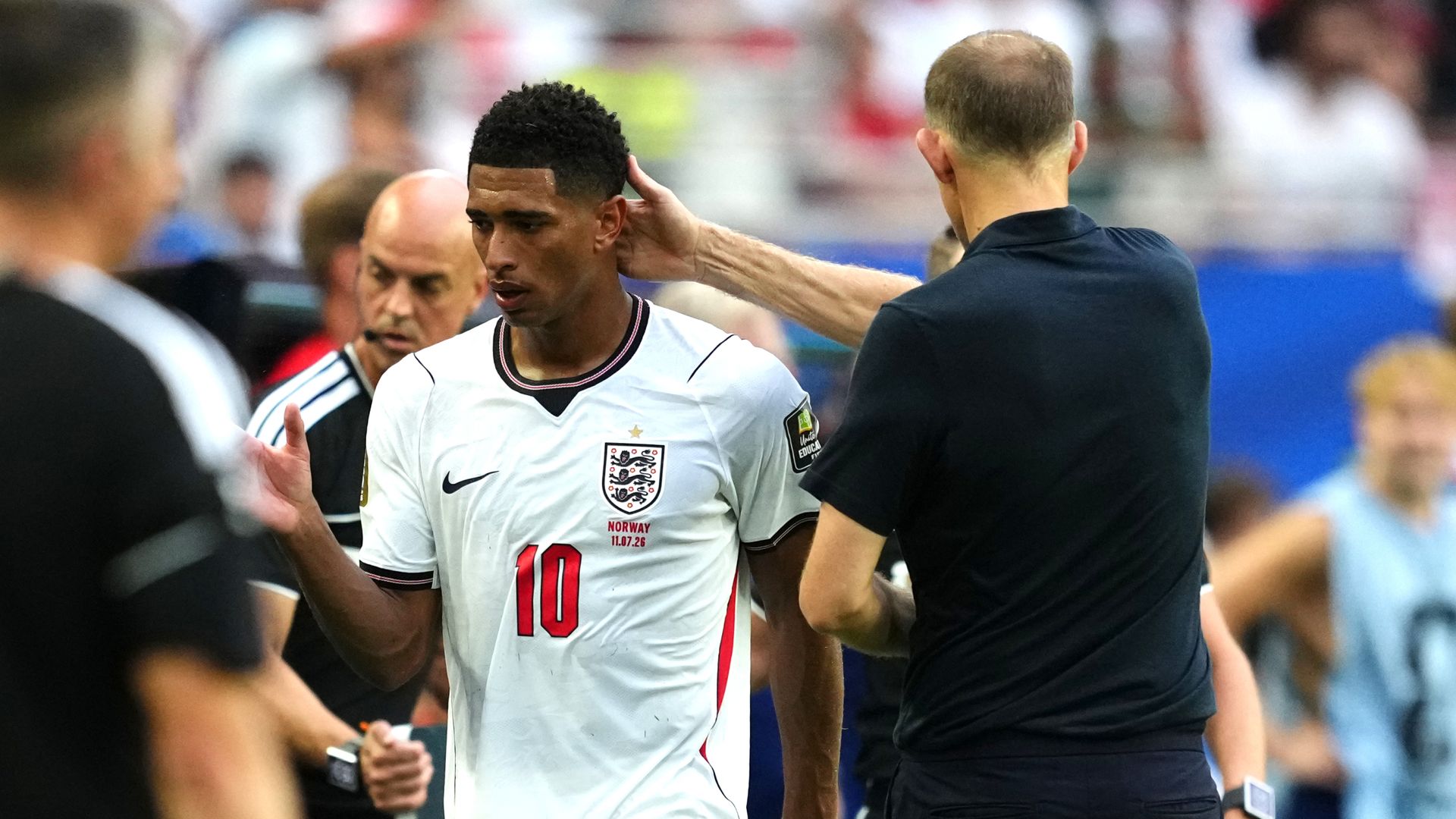
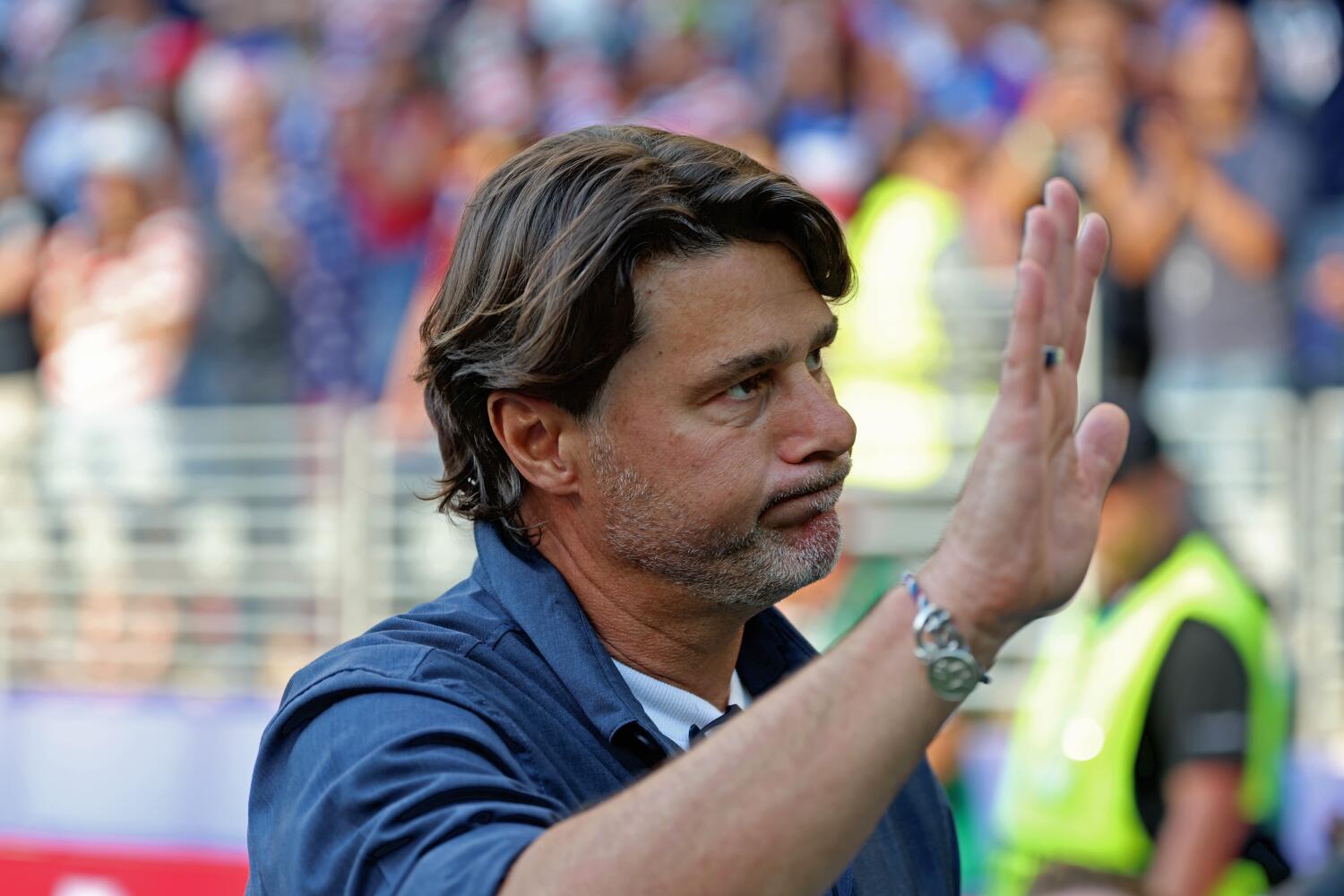
The U.S. Men's National Team ran directly into a well-organized, transitioning Belgian team and looked completely outclassed. It was the same old story. For the fourth consecutive World Cup appearance, the ride ended precisely in the Round of 16. The team is stuck on a relentless treadmill. We celebrate escaping the group stage like it's a monumental achievement, while the true elite of global soccer view the tournament as only beginning in the knockout rounds. Mauricio Pochettino was brought in to change the culture, but the Belgium debacle proved that the issues run much deeper than the man wearing the tactical vest.
The illusion of group stage comfort
Winning Group D felt great at the time. It gave the American public a false sense of security. But let's look at the facts. The Yanks beat an Australian team devoid of creative spark and a Paraguay squad that scraped its way through South American qualifiers. The moment the team faced an opponent with genuine tactical structure and individual match-winners, everything collapsed.
The defense looked terrified from the opening whistle. They couldn't hold possession for more than three passes. They lost every single individual duel in the midfield. It turns out that the group stage results were incredibly flattering. Playing at home provided an incredible emotional lift, but emotion doesn't fix a broken defensive line. When the tactical chess match began in the knockout phase, the U.S. simply lacked the pieces to compete.
The White House circus that destroyed team chemistry
You can't talk about the Belgium game without addressing the massive elephant in the room. The entire tournament run was completely hijacked by a political circus that started when Folarin Balogun picked up a red card against Bosnia and Herzegovina in the Round of 32. He was supposed to be suspended. Instead, the White House got involved.
Donald Trump personally lobbied FIFA president Gianni Infantino to get the suspension overturned. FIFA's disciplinary committee magically complied, suspending the ban just a day before the Belgium match. It created an absolute media firestorm. The locker room was suddenly thrust into the middle of a geopolitical debate about sports integrity.
Did it affect the players? Absolutely. You could see the awkwardness in their body language. The Belgians even mocked the situation, celebrating their goals with a goofy Trump dance on the pitch. It was an entirely unforced error from the highest levels of leadership. Soccer programs don't build winning cultures by relying on backroom political favors to bail out suspended players. Balogun started the match but looked entirely invisible, completely disconnected from the rest of the attacking line. The integrity of the team's internal chemistry was traded for a short-sighted political stunt, and the price was paid on the field.
Golden generation or just golden hype
We've been told for five years that this group of players represents the golden generation of American soccer. Christian Pulisic, Weston McKennie, and Tyler Adams have spent years playing for reputable European clubs. But honestly, it's time to admit a harsh truth. These players have completely stagnated.
None of them have cracked the conversation for the top 50 players in the world. They are reliable squad players in Europe, but they aren't the primary focal points for winning teams. When the U.S. needs a player to take over a match against a top-tier opponent, nobody steps up. Pulisic works hard, but he gets isolated. McKennie can dominate lesser Concacaf midfields, but he gets utterly bypassed by elite European midfields.
The gap between a good player in a top league and a truly elite global superstar is massive. The U.S. roster is filled with the former, but entirely empty of the latter. We have built an entire media apparatus around overhyping average European performances because we're desperate for a savior.
The modern goalkeeper crisis
American soccer used to excel at one specific thing. We produced world-class goalkeepers. The days of Kasey Keller, Brad Friedel, and Tim Howard keeping the U.S. competitive through sheer force of will are long gone.
Pochettino made the incredibly bold, and ultimately disastrous, decision to start Matt Freese between the posts for this tournament. Freese has had highly uneven MLS form and lacked any significant international pedigree. For most of the group stage, it didn't matter because the defense protected him. Against Belgium, he was exposed.
His horrific error on Belgium's third goal became the definitive image of the American exit. It looked like something out of a youth league game. When you don't have an elite shot-stopper who can steal a game when the tactics fail, you cannot survive the knockout rounds of a World Cup. The U.S. went from having a surplus of legendary goalkeepers to praying that an average MLS keeper could survive a high-press attack.
The broken foundation of pay to play
The ultimate reason the U.S. men's team keeps crashing out is structural. The entire youth development system in America is built to extract money from wealthy parents rather than find the best soccer talent in the country.
If you want to play competitive academy soccer in the United States, it costs thousands of dollars a year in travel, coaching fees, and club registration. This completely excludes low-income communities, particularly Latino and Black players who grow up playing the sport in environments that don't fit the suburban country-club model of American youth sports.
Look at how France, Brazil, or even Morocco develop talent. They scout the public parks, the streets, and the free local academies. They find the hungriest, most naturally gifted kids and put them into professional systems immediately. The United States does the opposite. We select the kids whose parents can afford the gas money for weekend tournaments in the suburbs. We value athletic metrics over technical intelligence. Until the U.S. Soccer Federation completely dismantles the pay-to-play model, the men's national team will continue to produce athletic, rigid players who get systematically dismantled by tactically superior nations.
Immediate steps to fix the system
Fixing this program requires moving past marketing campaigns and participation trophies. The Federation needs to take immediate action before the next World Cup cycle gets away from them.
First, U.S. Soccer must fully subsidize the top tiers of youth academies. Every single MLS and independent academy should be completely free for players starting at age ten. If a club charges a child a fee to play at the highest competitive level, that club should be barred from national tournaments.
Second, the coaching education system needs a complete overhaul. The current licensing system is incredibly expensive and promotes a rigid, over-schemed style of play. We need to empower coaches who understand individual creativity, not just tactical spreadsheets.
Finally, players need to leave their comfort zones. Moving to Europe isn't enough anymore. American players need to fight for starting roles where they are expected to carry the team, not just fill a role on the bench or coast on their marketing appeal. The era of praising the team just for making it out of the group stage has to end today.