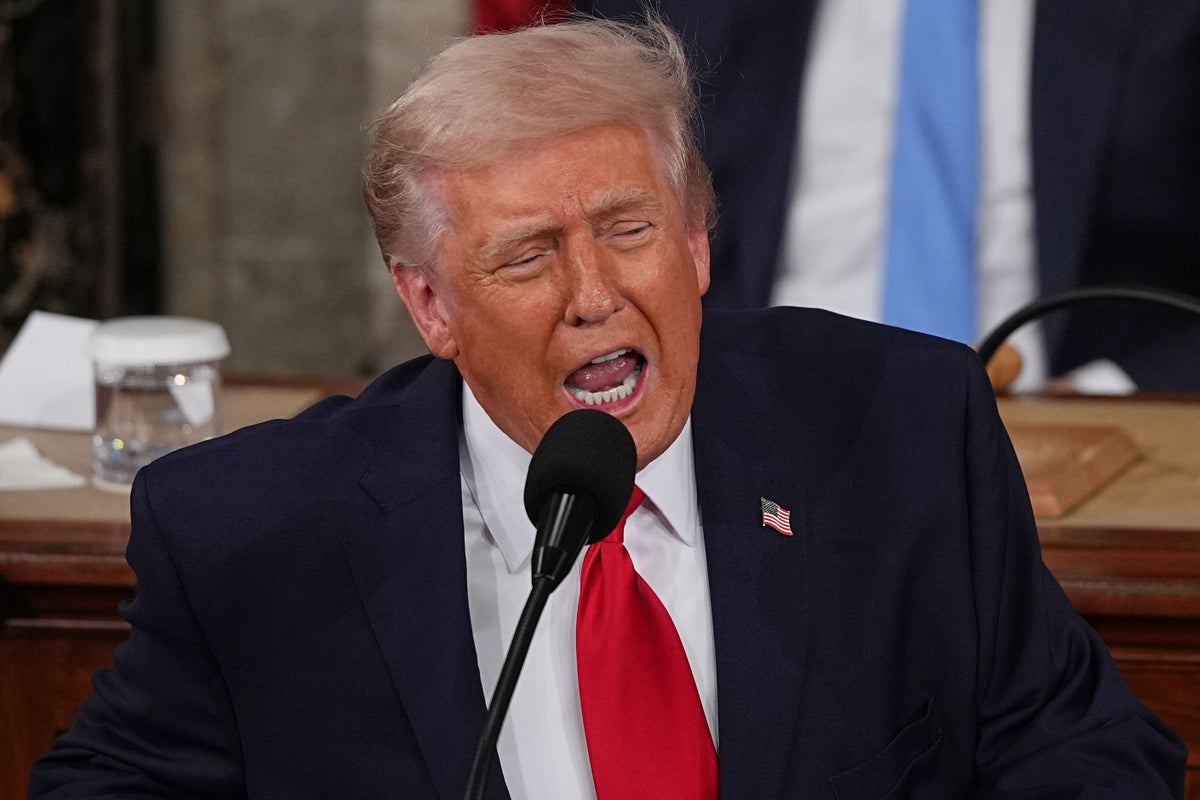
Donald Trump just threw global shipping into absolute chaos. In a characteristic blend of high-stakes military escalation and corporate real estate logic, the president announced that the United States is taking over the Strait of Hormuz. He isn't just sending warships. He's sending a bill.
The White House wants a 20% toll on eligible cargo passing through the world's most critical energy chokepoint. To back it up, Trump is reimposing a full naval blockade on Iran. He announced the move on Truth Social and during a phone interview on Fox and Friends, declaring the United States the official Guardian of the Hormuz Strait. He even joked that maybe they would call it the "guardian angel" of the strait.
But there is nothing angelic about the immediate fallout. Shipping traffic along the route came to a near standstill. Commercial vessels are turning off their transponders or dropping anchor. This policy shift effectively tears up a fragile, weeks-old interim peace agreement and places the world economy on the edge of a severe energy crisis.
The Shocking Math Behind the Twenty Percent Guardian Levy
Let's look at what a 20% tariff on shipping cargo actually means in the real world. This isn't a minor transit fee. It is a massive financial shock to global trade.
Before the recent conflict flared up, roughly a fifth of the world's liquefied natural gas and petroleum flowed through this narrow strip of water between Oman and Iran. If the United States forces shipping companies to cough up a fifth of their cargo's value just to pass through, the numbers turn upside down overnight.
Based on current oil prices, a 20% levy tacks on roughly $16 to the price of every single barrel of crude oil passing through the strait. For a standard supertanker carrying two million barrels of oil, that translates to a staggering $32 million penalty for a single voyage.
Shipping companies operate on razor-thin margins. They can't absorb these costs. Insurance premiums for transiting the Middle East were already skyrocketing due to recent drone attacks and missile exchanges. Adding a mandatory 20% American protection fee makes international shipping through the Persian Gulf practically unviable.
Legal experts and industry insiders quickly pointed out the absurdity of the plan. The proposed U.S. toll is significantly higher than the maritime transit fees Iran itself had been trying to squeeze out of shipping companies before the blockade. Trump argued that wealthy nations must reimburse America for providing security in volatile regions. He said the process begins immediately. But he provided zero details on how U.S. Navy sailors will actually collect these multi-million-dollar fees from foreign-flagged vessels.
How a Shaky Ceasefire Collapsed Into A Regional Firefight
This latest escalation didn't happen in a vacuum. It marks the total destruction of a delicate diplomatic effort.
Just last month, Washington and Tehran signed a memorandum of understanding. That deal was supposed to extend an April ceasefire and gradually reopen the waterway. Under the June agreement, Trump lifted previous blockades on Iranian ports, and Iran promised to let commercial ships pass without extra charges for 60 days. It was a temporary band-aid on a bleeding wound.
The peace lasted less than a month. The trouble started when the U.S. military began advising commercial vessels to alter their routes. Instead of using the traditional shipping lanes, Washington told captains to hug the coast of Oman to avoid Iranian harassment. Tehran viewed this as a direct violation of the maritime agreement. They claimed the Omani route constituted an unauthorized encroachment on their sphere of control.
Iranian forces responded by targeting three commercial vessels using the Omani route. That broke the ceasefire. The weekend before Trump's announcement saw three consecutive days of intense, tit-for-tat military exchanges. The U.S. military launched a massive wave of airstrikes against dozens of targets inside Iran. American bombs hit radar installations, air defense systems, drone launch facilities, and fast-attack boats in Khuzestan, Hormozgan, and Markazi provinces.
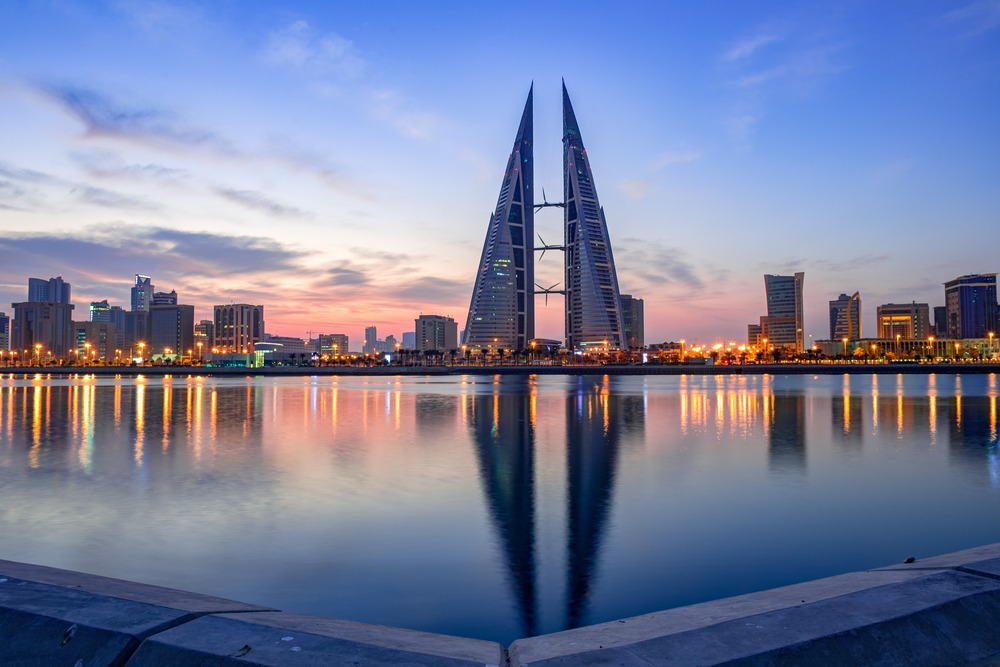
Iran didn't back down. The Islamic Revolutionary Guard Corps launched retaliatory strikes across the region. Overnight, missile alerts screamed through Bahrain, which hosts the U.S. Navy's Fifth Fleet. Kuwaiti air defenses intercepted hostile fire. In Jordan, the military scrambled to shoot down four Iranian missiles flying over their territory. Even Omani radar stations and fuel depots at Jordan's Prince Hassan Air Base came under fire.
By Monday morning, the diplomatic path was dead. Trump decided that if Iran wouldn't play by the rules of the June memorandum, the United States would simply seize control of the entire shipping lane.
The Legal Reality and Internal Contradictions
The International Maritime Organization reacted to Trump's toll announcement with immediate condemnation. The United Nations agency stated flatly that there is zero legal basis for any nation to introduce mandatory tolls on an international strait used for navigation. International law guarantees the right of transit passage for all vessels.
What makes the situation even more bizarre is how sharply Trump's new policy contradicts his own administration's stated goals from just a few weeks ago.
Secretary of State Marco Rubio traveled to the Gulf region late last month to meet with Arab leaders. During that trip, Rubio repeatedly hammered Iran for trying to charge transit fees in the strait. He told reporters in Bahrain that no nation on Earth supports paying money to pass through international waters. He explicitly stated that the president made it clear that tolls would never be part of any maritime agreement.
Now, the White House has flipped the script entirely. The administration went from defending freedom of navigation without fees to demanding the largest transit toll in modern maritime history.
Iran's leadership is exploiting this hypocrisy. Advisors to Iran's supreme leader publicly stated that Tehran will fight to the end to protect the strait, explicitly stating they refuse to pay tribute to an enemy. The Revolutionary Guard called the U.S. military a rogue army from the other side of the world and vowed to resist any transit organized by American forces outside Tehran's approved routes.
Geopolitical Fallout Shakes Traditional Alliances
The chaos in the Persian Gulf is forcing international allies to take drastic steps. In London, Prime Minister Sir Keir Starmer moved to officially proscribe the Islamic Revolutionary Guard Corps as a national security threat. The United Kingdom had debated this move for years. The recent string of regional attacks, combined with intelligence reports linking the group to hostile intimidation campaigns on British soil, finally tipped the scale.
The British government also blacklisted a linked group called the Islamic Movement of the Companions of the Right. Western intelligence agencies are scrambling to contain the fallout as the conflict expands beyond a localized dispute between Washington and Tehran. European diplomats are pleading for a return to status quo navigation rules. European Union officials emphasized that freedom of navigation must be respected, but their warnings carry little weight without military enforcement.
The economic timing could not be worse for the White House. Global energy markets are already suffering from a prolonged crunch. Trump's domestic approval ratings have taken a direct hit from the ongoing maritime war. Voters are facing painful spikes at the gas pump. With critical midterm elections looming in November, the administration is desperate to show it can stabilize the situation or at least force other nations to foot the bill. Trying to run the Strait of Hormuz like a private maritime highway is a high-risk gamble to project strength to an anxious domestic electorate.
What Happens Next for Global Shipping
The maritime industry is entering uncharted territory. Shipowners cannot afford a 20% toll, nor can they afford to get caught in the crossfire of a shooting war between the U.S. Navy and Iranian missile batteries.
If you are trying to navigate the immediate economic reality of this crisis, keep these shifts in mind.
Expect shipping lines to abandon the Strait of Hormuz entirely in the coming days. Companies will divert tankers around the Cape of Good Hope in South Africa. This detour adds roughly two weeks to transit times and dramatically increases fuel costs, but it avoids both Trump's 20% levy and Iranian anti-ship missiles.
Watch for a massive spike in global oil prices and subsequent jumps in consumer gas prices. If the strait remains blockaded, a prolonged shutdown will force energy analysts to rewrite their inflation forecasts for the rest of the year.
Monitor compliance updates from the U.S. Department of the Treasury and the Navy. Until the administration explains how it intends to audit, calculate, and collect a 20% cargo toll on the open sea, the policy remains a logistical nightmare. The line between international security and global extortion has never been thinner.