The Black Sea is a graveyard for neutrality.
On July 14, 2026, Moscow made it clear that flying a foreign flag won't protect merchant crews. If you're sailing anywhere near Ukraine's southern ports, you are in the crosshairs. In related news, read about: Why The Gibraltar Border Fence With Spain Coming Down Is Much More Than A Post-brexit Compromise.
The latest series of attacks shows a dark escalation in the Kremlin’s tactics. In a single day, Russian forces targeted three civilian vessels navigating the Ukrainian maritime corridor. Three sailors lost their lives, including a ship captain. This isn't collateral damage. It is a deliberate campaign to choke off Ukraine’s maritime economy and force the world to negotiate on Moscow's terms.
When Russia strikes Odesa, it isn't just fighting Ukraine. It is testing how much risk the international shipping community is willing to tolerate. TIME has analyzed this critical topic in great detail.
The Deadly Sequence of the July 14 Attacks
The violence on July 14, 2026, unfolded in waves, showcasing how vulnerable civilian shipping remains in the Black Sea.
First came the strike on two merchant vessels traveling through the maritime corridor. One flew the flag of Tanzania, the other sailed under the Liberian flag. According to Oleh Kiper, head of the Odesa Regional Military Administration, the attack killed the captain of the Tanzania-flagged vessel. Three other crew members suffered injuries. Search and rescue teams evacuated eleven sailors to the shore, while the ships struggled to maintain integrity.
Russia’s Defense Ministry wasted no time claiming responsibility, though they twisted the narrative. They stated their drones hit three dry cargo ships anchored off Odesa, claiming the vessels served the "interests of the Ukrainian Armed Forces." It's a classic page from the Kremlin playbook: label every civilian target a military asset to excuse a war crime.
Hours later, as dusk fell, the sirens screamed again.
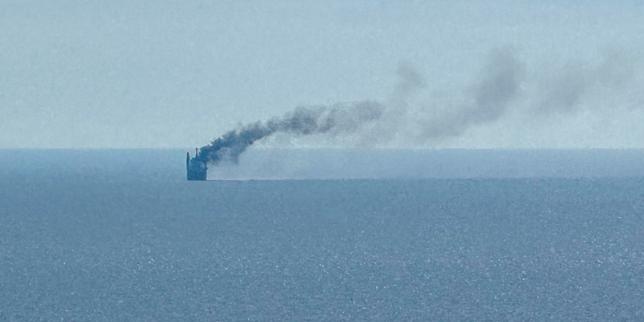
A Russian attack drone slammed into a third vessel, this one flying the flag of the Marshall Islands. The strike damaged the ship's superstructure and sparked a major fire on board. Emergency crews rushed to contain the flames, but the human cost was already paid. Two more crew members died in the fire.
This brings the day's death toll to three mariners.
The Collateral Cost on the Shore
The terror wasn't restricted to the open water. On the afternoon of the same day, Russian forces fired two missiles toward residential areas in the Odesa district.
The attack destroyed two homes, shattered windows, and ripped roofs off nearby houses. A 69-year-old woman died instantly in her yard. A 44-year-old man was rushed to the hospital with severe shrapnel wounds.
Earlier in the morning, Russian drones hit local enterprises, igniting massive fires in storage tanks containing sunflower oil and damaging over a dozen commercial vehicles.
Living in Odesa right now means constantly calculating whether your home or your workplace will be the next target. The psychological toll on the civilian population is immense, but the tactical goal of these strikes remains economic.
A Sustained Pattern of Maritime Terror
To understand why these strikes matter so much, we have to look at the weeks leading up to July 14. This isn't an isolated incident. Russia has been systematically hunting merchant ships for over a month.
Only a day before, on July 13, Russian forces struck the port of Chornomorsk in the Odesa region. The attack hit a Togo-flagged vessel unloading mineral fertilizers, killing three crew members and injuring five others.
Go back to late June. On June 22, a drone strike set fire to a Turkish dry cargo ship sailing under the Panamanian flag, killing the ship's cook. Three days prior to that, two more ships flying the flags of Panama and St. Kitts and Nevis were hit, leaving one dead and several injured.
The strategy is clear. Russia wants to make the Ukrainian shipping corridor so dangerous and expensive that no foreign crew will agree to sail it, and no insurance company will write a policy for it.
Why the Black Sea Corridor is Ukraine's Lifeline
When the UN-brokered Black Sea Grain Initiative collapsed in 2023, many assumed Ukraine’s agricultural export economy was dead. They were wrong.
Ukraine took a massive gamble. They established their own unilateral maritime corridor hugging the coastlines of Romania and Bulgaria—both NATO members—before heading out into deeper waters. The gamble paid off. By mid-2026, over 7,800 ships had safely used the corridor, keeping the Ukrainian economy afloat and preventing a global food crisis.
But success bred resentment in Moscow. The Kremlin realized that its naval blockade had effectively failed. Unable to police the entire corridor with warships due to Ukraine’s highly effective use of naval drones, Russia turned to the air. If they couldn't stop the ships at sea, they would destroy them at anchor or hit them with precision drones as they neared the ports.
The Insurance Nightmare and Global Trade Ripples
The immediate effect of these strikes will be felt in the financial offices of London and Singapore.
Merchant shipping relies entirely on war risk insurance. When a ship gets hit, premium rates spike instantly. If ships continue to burn in Odesa's harbors, underwriters will eventually pull coverage entirely for the region. Without insurance, large commercial fleets cannot operate.
We are looking at a potential slowdown in grain and fertilizer exports. That means higher prices for staple foods in countries across East Africa, the Middle East, and parts of Asia that depend heavily on Ukrainian wheat and corn. The ripples of a drone strike in Odesa are felt directly in grocery stores thousands of miles away.
How the International Community Must Respond
Condemnation on social media won't save sailors' lives. It’s time to face reality: Russia is using piracy as a state policy.
If Western allies want to keep global food supply chains stable, they need to take concrete actions:
- Expand Air Defense Over Ports: Odesa and Chornomorsk need a denser, more sophisticated air defense umbrella. Patriot systems and Gepard anti-aircraft guns must prioritize protecting the harbor infrastructure and shipping lanes.
- Escort Commercial Vessels: International naval patrols, particularly from Black Sea nations like Turkey, Romania, and Bulgaria, should explore options for safeguarding civilian shipping within their territorial waters.
- Increase Pressure on Shipping Registers: Flag-of-convenience states like Liberia, Tanzania, and the Marshall Islands must raise their voices. Their sovereign flags are being attacked on the high seas. They must treat these actions as direct assaults on their maritime sovereignty.
The crew members who lost their lives on July 14 weren't combatants. They were civilians doing a difficult, dangerous job to keep the world fed. Allowing Russia to target them with impunity sets a terrifying precedent for global maritime trade.
If you want to see the terrifying moment-by-moment impact of this escalatory campaign on the water, you can watch how Russia targets cargo vessels in the Black Sea, showing the intense dangers merchant crews face daily in these waters. This video provides critical context on the escalating aerial attacks against civilian shipping lanes.
http://googleusercontent.com/youtube_content/1