When Health and Human Services Secretary Robert F. Kennedy Jr. stood in front of reporters on July 21, 2026, and declared that the nationwide cyclospora outbreak was "under control," public health experts across the country collectively shook their heads. State health departments were still logging thousands of fresh cases of severe gastrointestinal illness, hospitals were seeing steady admissions, and federal officials were actively battling confusion over product recalls.
Saying an outbreak is under control when infections are still rising isn't just poor communication. It creates a false sense of security for consumers trying to decide what to put on their dinner plates tonight.
If you've been following the news, you know the official messaging feels fragmented. Local health agencies report one set of figures, the CDC reports another, and top federal political appointees paint a rosy picture that doesn't match what's happening on the ground.
Here is what is actually happening with the 2026 cyclospora wave, why tracking it has become such a mess, and what you need to know to keep yourself safe.
The Reality Behind the Case Numbers
The parasite at the center of this mess is Cyclospora cayetanensis, a microscopic organism that infects the small intestine. It isn't a simple 24-hour stomach bug. It causes watery, explosive diarrhea, severe cramping, nausea, fatigue, and rapid weight loss that can last for weeks or even months if left untreated.
Federal officials claim the situation is stabilized because the specific companies involved in contaminated shipments implemented recalls. But the infection data tells a very different story.
Public health tracking reveals a staggering gap between official federal tallies and local reality:
- The CDC’s conservative counts reported roughly 1,600 confirmed infections nationwide, with several thousand additional cases waiting for lab confirmation.
- State-level data shows a far grimmer picture. Michigan alone reported over 6,500 cases by mid-July.
- Independent analyses tracking state health updates across more than 40 states estimate total illnesses have already passed the 10,000 mark.
- Hospitalization rates continue to climb, with well over 140 patients requiring inpatient care for severe dehydration and electrolyte imbalances.
Why is there such a massive discrepancy between CDC numbers and state tallies? It comes down to reporting delays and administrative cutbacks. CDC confirmed cases rely on specific genetic sequencing and secondary lab validation, which can take three to four weeks to process. State data, on the other hand, reflects real-time clinical testing from local doctor offices and hospital labs.
When political leaders look only at lagging, fully verified federal figures, they miss the active surge happening right in front of them.
The Rollback That Crippled Early Warning Systems
You can't fix a problem if you deliberately stop measuring it. The severity of this summer's outbreak was directly exacerbated by policy decisions made at the highest levels of the Health and Human Services department late last year.
In 2025, HHS cut back mandatory surveillance requirements within the CDC’s Foodborne Diseases Active Surveillance Network, commonly known as FoodNet. For decades, FoodNet mandated that participating state labs actively track and report eight major foodborne pathogens. Cyclospora cayetanensis was stripped from that mandatory active list, making tracking optional for state partners.
HHS defended the change by claiming it eliminated redundant bureaucracy and freed up state funding. But active surveillance is the primary mechanism health officials use to spot rising infection trends early. Without required active monitoring, local clusters of cyclospora went unnoticed for weeks during the late spring of 2026.
By the time federal agencies realized multiple states were reporting identical parasite strains, contaminated leafy greens had already passed through processing plants, distribution hubs, grocery aisles, and restaurant chains.
Lawmakers from both parties have slammed the administration for dismantling these safety nets. Letters sent to HHS from members of Congress highlight that cutting active parasite tracking left public health investigators flying blind right as warm-weather produce harvesting reached its peak.
Recall Whiplash and Supply Chain Confusion
Tracing a microscopic parasite back to a specific farm or field is notoriously difficult. Unlike bacteria like E. coli or Salmonella, cyclospora cannot be easily grown in a standard laboratory culture dish. It requires molecular testing methods that take time and specialized equipment.
That difficulty led to significant public confusion in mid-July.
The Food and Drug Administration initially flagged shredded iceberg lettuce distributed across 27 states, prompting massive recalls from major suppliers like Taylor Farms and menu changes at restaurant chains like Taco Bell. Just days later, the agency did an about-face on portions of that recall, citing a "false positive" in preliminary testing.
When regulators announce a recall, rescind part of it, and then claim the outbreak is fully contained, consumers are left wondering what produce is actually safe to eat.
The problem is that produce supply chains move far faster than epidemiological investigations. Fresh lettuce harvested in California or Mexico reaches consumer plates within days. By the time a sick patient sees a doctor, provides a stool sample, gets a positive test result, and completes an epidemiological survey, the contaminated batch of produce has long been consumed or thrown out.
Identifying a single supplier doesn't instantly mean the outbreak is over. Multiple subclusters across 34 states suggest contaminated water sources may have affected several growing operations, meaning fresh contaminated produce could still be entering regional distribution networks.
What Science Says About How Cyclospora Spreads
Understanding how this organism behaves explains why standard kitchen hygiene isn't always enough to protect you.
Cyclospora is an obligate intracellular parasite. When an infected person or animal excretes the parasite's eggs (called oocysts) into the environment, those eggs are not immediately infectious. They require days or even weeks outside the body under specific temperature and humidity conditions to "sporulate" and become capable of causing disease.
Because of this, cyclospora is rarely spread directly from person to person through casual contact. Instead, it spreads when agricultural water supplies become contaminated with human or animal waste containing mature oocysts. That water is then used to irrigate or wash fresh produce.
Leafy greens, fresh herbs (like cilantro and basil), raspberries, and snow peas are the most common vehicles for cyclospora outbreaks. The parasite's tough outer shell allows it to cling tightly to the microscopic crevices of leaves and fruit skin.
Here is the frustrating part: typical home washing methods don't reliably remove or kill cyclospora. Routine water rinses, vinegar washes, and commercial produce soaps fail to dislodge every microscopic oocyst from textured leaves. Chemical sanitizers used in home kitchens, like chlorine bleach solutions at safe food handling concentrations, do not destroy the parasite's hardy outer wall.
Practical Steps to Take Right Now
You don't need to panic, but you do need to be smart about what you're buying and eating until regional case numbers drop significantly.
Modify Your Produce Buying Habits
If you live in or near heavily affected states in the Midwest and South, consider switching to cooked vegetables for the next few weeks. Thorough cooking kills cyclospora instantly. High heat destroys the parasite's structural integrity.
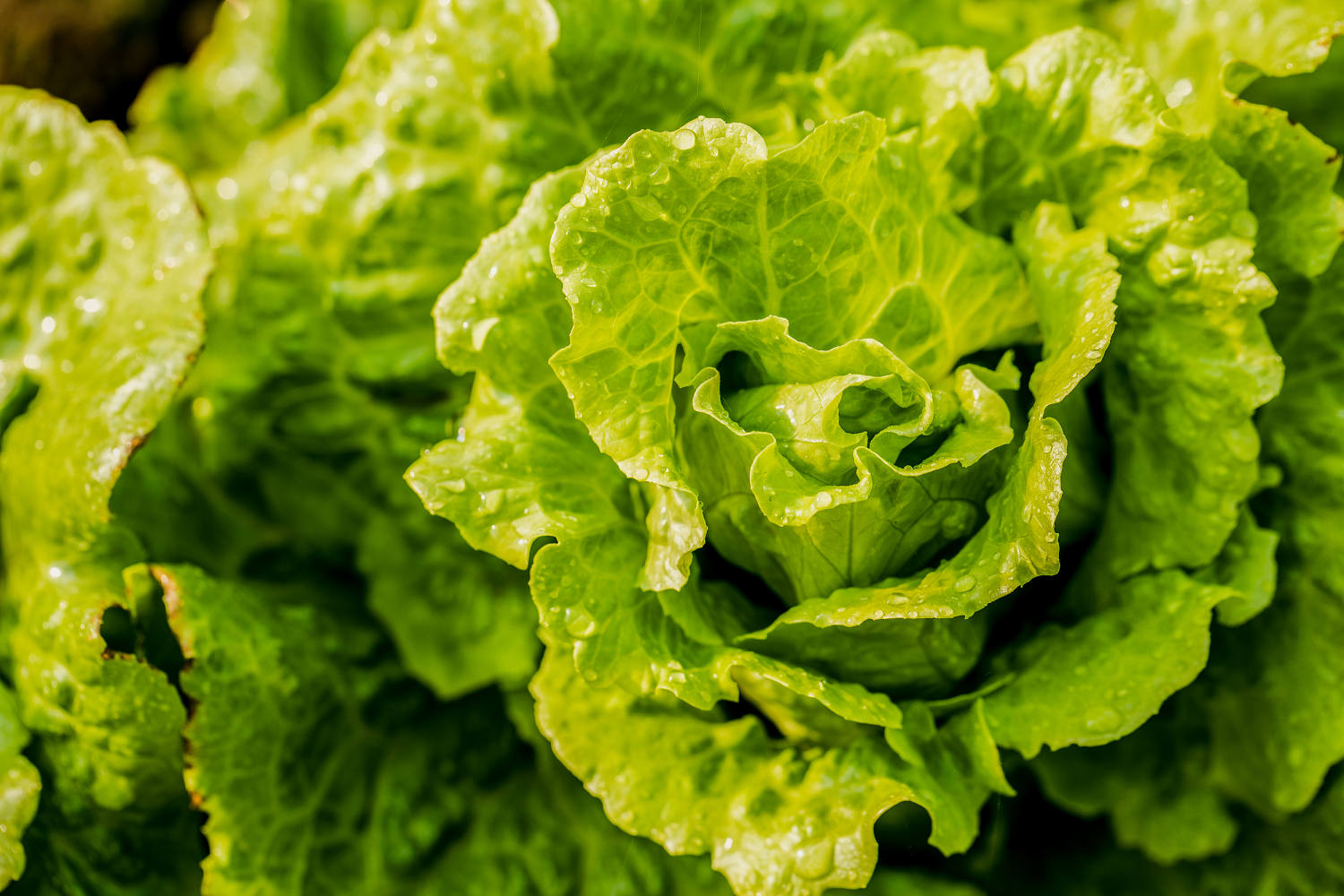
If you insist on eating raw leafy greens, purchase whole heads of lettuce rather than pre-shredded or bagged salad mixes. Bagged produce mixes leaves from dozens of different farms into single batches during processing. If one farm's crop is contaminated, the washing and cutting machinery spreads the parasite across thousands of pre-packaged bags. Buying whole heads reduces your exposure surface area.
Know the Symptoms and Don't Wait
If you experience persistent watery diarrhea that lasts more than three days, accompanied by intense fatigue, abdominal bloating, and stomach cramps, contact a healthcare provider immediately.
Do not rely on over-the-counter anti-diarrheal medications like loperamide (Imodium). These drugs slow down bowel motility, keeping the parasite trapped inside your digestive tract longer and often worsening inflammation.
Standard broad-spectrum antibiotics used for typical bacterial food poisoning, such as ciprofloxacin, are completely ineffective against cyclospora. The standard medical treatment requires a specific combination antibiotic called trimethoprim-sulfamethoxazole (commonly known as Bactrim or Septra). Getting an accurate stool PCR test from your doctor ensures you receive the correct target medication quickly.
Report Suspected Cases to Local Health Departments
If you or a family member fall ill after eating fresh produce or dining at a restaurant, ask your doctor to file an official report with your county or state health department.
Federal surveillance systems may have been scaled back, but local epidemiologists rely on patient self-reporting to spot regional clusters and trace back contaminated lots. Your report could help investigators identify tainted shipments before more people fall ill.
Keep your grocery receipts or take photos of produce product labels. If an investigation opens in your region, having the specific lot code, brand name, and purchase date can help trace supply chain breaks much faster.