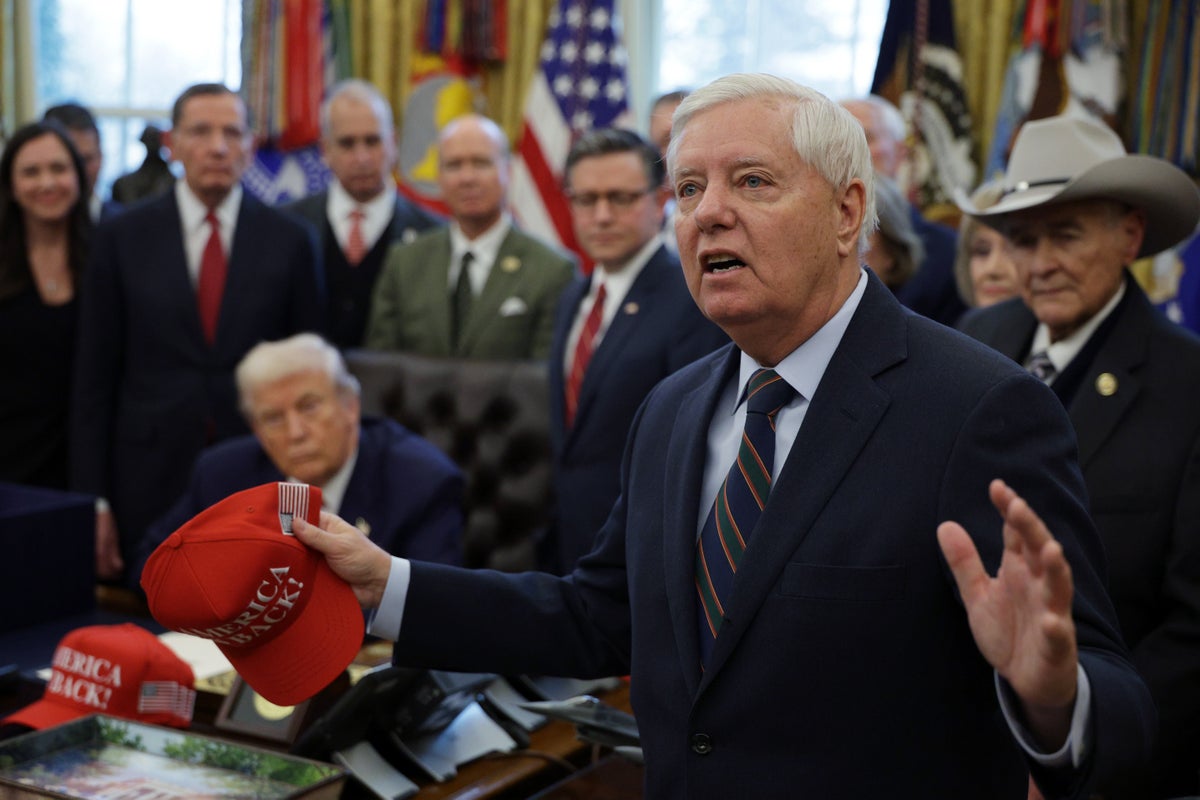
The sudden passing of Senator Lindsey Graham from an aortic dissection shook Washington over the weekend. Almost immediately, the political machinery started spinning to figure out who will take over his seat. Donald Trump didn't waste any time giving his input. Trump says he knows who should replace Lindsey Graham, and his pick caught a lot of people off guard. He wants South Carolina Governor Henry McMaster to appoint Graham’s sister, Darline Graham Nordone, to fill the temporary vacancy.
This isn't just a sentimental gesture to honor a fallen ally. It is a highly calculated political move. By pushing for a family member with no established personal legislative agenda, Trump is attempting to freeze the chessboard. He wants to prevent any ambitious local politician from gaining the unfair advantage of incumbency before a special primary can play out. South Carolina law dictated that McMaster make an immediate appointment to last until January 2027. Trump wants that seat kept warm by someone loyal who won't complicate the messy primary battle ahead. Learn more on a similar issue: this related article.
Why Trump wants Nordone to replace Lindsey Graham
When you look at the chess pieces on the board, selecting Darline Graham Nordone makes perfect sense for the Trump camp. She isn't a career politician. She hasn't spent years building a legislative record or making enemies in Columbia or Washington. Senator Tim Scott quickly backed Trump’s recommendation, noting that Nordone deeply understands her brother's love for the state. That backing gives the idea instant institutional weight within the state's Republican apparatus.
The underlying strategy here is pure self-preservation for the America First movement. If Governor McMaster appoints a heavyweight contender like Representative Nancy Mace or Representative Ralph Norman, that person becomes the sitting senator. They get the media spotlight. They get the fundraising boost. They get to run as an incumbent in the upcoming August special primary. Trump wants to avoid picking sides too early. Appointing Nordone keeps the playing field perfectly level for everyone else who wants to run for the full six-year term. More analysis by The Washington Post delves into related views on the subject.
It also protects Graham's legacy from immediate partisan cannibalism. Graham was a complicated figure who managed to bridge the gap between old-school neoconservative foreign policy and the modern MAGA movement. Putting his sister in the seat acts as a respectful pause button. It allows the state to mourn without instantly devolving into an ugly intra-party knife fight over his political corpse.
The legal chaos of the South Carolina special election
The timeline to replace Graham is incredibly tight, and it is already triggering a logistical headache for state election officials. South Carolina law requires a one-week filing period for the special primary to open on the second Tuesday after a vacancy occurs. That means candidates must declare their intentions starting July 21. The actual special primary election will take place just three weeks later on August 11. If nobody clears the 50% threshold, a runoff will follow on August 25.
This schedule creates a massive conflict with federal election laws. The Uniformed and Overseas Citizens Absentee Voting Act requires states to send out military and overseas ballots at least 45 days before a federal election. For the November general election, those ballots need to be ready to go by mid-September. If South Carolina is still resolving primary runoffs in late August, the state will have an impossibly narrow window to print, certify, and mail out those ballots.
Federal Election Commission and state officials are scrambling behind the scenes to figure out how to compress this timeline without violating federal law or triggering lawsuits. Any administrative delay could throw the entire November ballot into question. The stakes are massive. Republicans currently hold a narrow majority in the Senate, and they cannot afford a botched election process in a reliably red state.
The ambitious conservatives waiting in the wings
With an open Senate seat suddenly up for grabs, South Carolina's top Republicans are looking at an unprecedented opportunity. Open Senate seats are rare in this state. To put it in perspective, Graham's predecessor was Strom Thurmond, who held the seat for nearly half a century. Politicians wait their entire lives for a window like this to open up.
Expect a crowded and expensive primary field. Figures like Nancy Mace have already shown they aren't afraid of a messy primary battle. Ralph Norman represents the hard-right Freedom Caucus wing of the party and would command significant support from fiscal conservatives. Other statewide officials and regional leaders are quietly making calls to donors right now. They need to raise millions of dollars in a matter of days to be competitive for the August vote.
The Democratic threat in November
While Republicans figure out their internal drama, Democrats already have their nominee locked in. Dr. Annie Andrews, a pediatrician who handily won her primary in June, was already campaigning against Graham for the November midterm. His passing completely changes her strategy. Instead of running an uphill battle against a entrenched multi-term incumbent, she is now facing an unknown opponent who will emerge bruised and battered from a chaotic summer primary.
Andrews has already been getting national attention. She has focused heavily on healthcare costs, gun violence, and public health issues, leveraging her medical background on the campaign trail. In her public statements, she paid respect to Graham’s fighting spirit while acknowledging their vast political differences. She will have a clear head start in fundraising and message building while the GOP spends August fighting itself.
What happens next in Columbia and Washington
Governor McMaster is expected to finalize his interim appointment quickly. If he follows Trump and Scott’s advice, Darline Graham Nordone will be sworn into the Senate within days to serve out the months remaining in the term. She will likely cast votes as a reliable conservative vote but keep a low profile otherwise.
For voters and political observers, the immediate next steps are clear. Watch the July 21 filing deadline. That date will reveal exactly how many high-profile Republicans are willing to risk their current house seats or political capital on a lightning-fast Senate run. The upcoming August 11 primary will decide the direction of the state's conservative movement, showing whether voters prefer an aggressive populist or a more traditional establishment figure to carry Graham's mantle. Keep an eye on how state election officials handle the military ballot crisis, as that legal hurdle could alter the election calendar entirely.