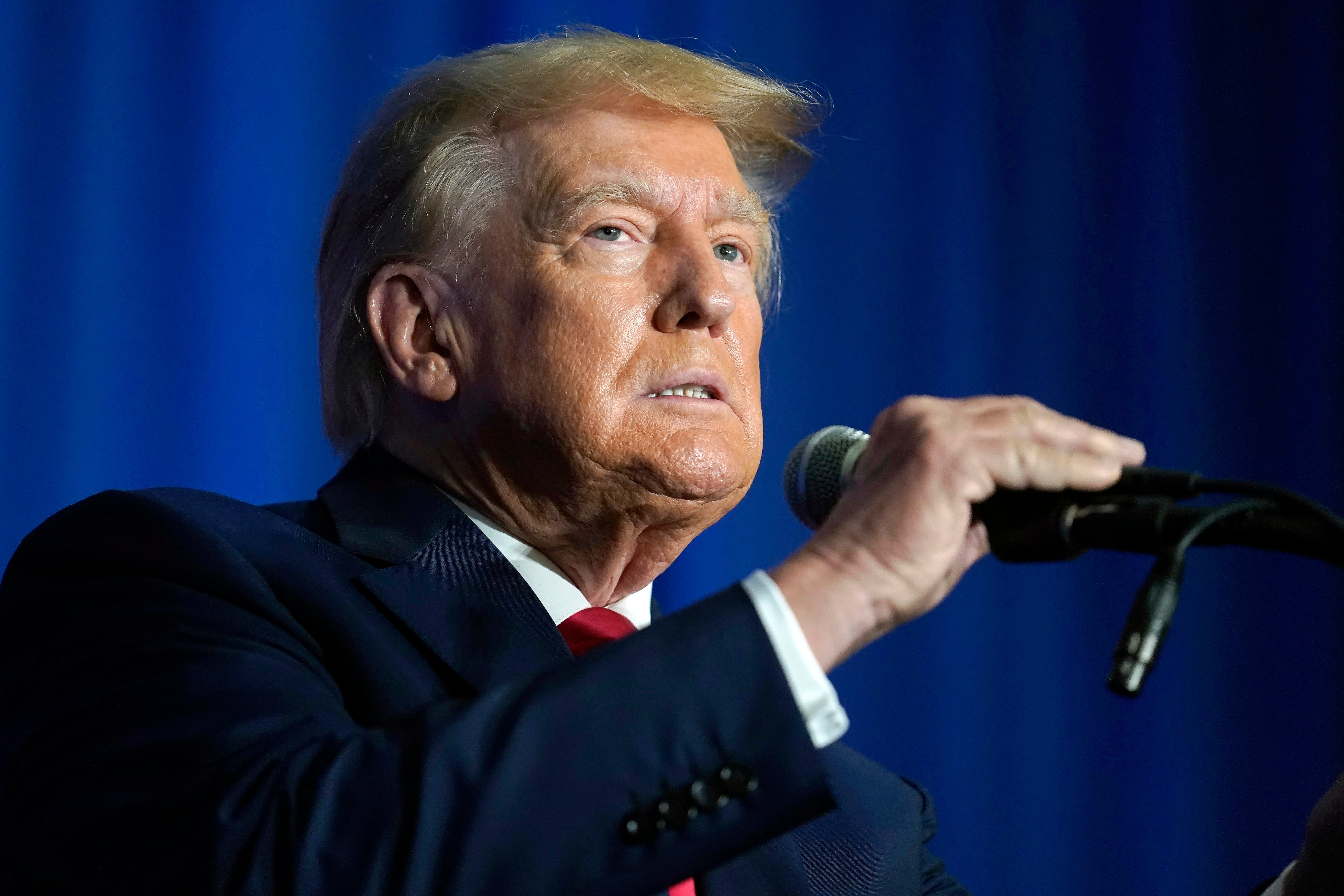
Donald Trump just declared the US-Iran ceasefire dead. Speaking from the sidelines of the NATO summit in Ankara, Turkey, the president announced that American forces already struck Iran's Kharg Island. Then he dropped a massive bombshell. He openly mused about a full military takeover of the island.
"Maybe we'll take over Kharg Island," Trump told reporters. He added that there is nothing Iran can do about it.
Predictably, global energy markets went into a frenzy. Oil prices shot up instantly. But before everyone panics about a new world war, we need to separate political rhetoric from tactical reality. Taking over a heavily fortified Iranian military and industrial outpost is not like flipping a switch. It is an incredibly dangerous logistical nightmare. Most commentators are completely missing the actual risks involved.
The July 2026 Escalation Explained Simply
To understand why this matters right now, you have to look at how quickly things fell apart. Just last month, Washington and Tehran inked a shaky memorandum of understanding. That deal was supposed to establish a 60-day window for peaceful transit through the Strait of Hormuz. The US even lifted its naval blockade of Iranian ports as a show of good faith.
That peace lasted about five minutes.
The crisis flared up again when Iranian Revolutionary Guard small boats began harassing commercial vessels in international waterways. Two tankers were struck by projectiles in the Strait of Hormuz this week. A Qatari tanker was also hit. The US military responded with massive overnight strikes against 80 Iranian targets. Central Command confirmed hitting radar installations, air defense systems, and underground drone storage sites.
Then Iran struck back. The Islamic Revolution Guard Corps targeted 85 U.S. military sites across Bahrain and Kuwait with missiles and drones.
That brought us to Trump's press conference alongside Ukrainian President Volodymyr Zelensky. Trump announced that the interim agreement to pause fighting is officially over. He claimed negotiators are wasting their time. While Defense Secretary Pete Hegseth detailed the destruction of Iranian naval assets, Trump focused entirely on Kharg Island. He asserted that US forces hit the island but spared the actual oil pipelines on his direct orders.
Why Kharg Island Is the Ultimate Prize
If you look at a map of the Persian Gulf, Kharg Island looks tiny. It is just a speck of coral and rock located about 25 kilometers off the northwestern coast of Iran. Do not let the size fool you. This island is the literal lifeblood of the Iranian economy.
More than 90 percent of Iran's crude oil exports pass through this single location.
The island features massive deep-water loading terminals, giant storage tanks, and critical processing facilities. If you control Kharg Island, you effectively control Iran's entire economic survival. Trump explicitly noted this by comparing his strategy to Washington's aggressive actions against Venezuela's oil markets. He wants total control of their energy exports to force an absolute submission.
But hitting an island with missiles is entirely different from taking it over. Trump himself previously flip-flopped on this very issue, wondering publicly if the American public has the stomach for a protracted ground invasion.
Military experts agree that a physical takeover would be bloody.
The Nightmare Logistics of an Amphibious Invasion
Let's look at what a takeover actually means in practice. You cannot occupy a strategic island purely from the air. You have to send in troops.
A US operation to seize Kharg Island would require a massive amphibious assault. US Marines or paratroopers would have to establish a beachhead under intense defensive fire. Iran knows how vulnerable the island is. They have spent decades turning it into a fortress. The island is packed with anti-ship missile batteries, hidden artillery positions, and layered surface-to-air missile systems.
Former military officials warn that approaching the island would turn the Persian Gulf into a shooting gallery. US ships would face a barrage of swarm boats, sea mines, and shore-to-ship missiles.
Securing a foothold is only the first step. The real challenge is holding it.
An occupying force on Kharg Island would be sitting ducks. The island sits well within range of Iran's mainland artillery and ballistic missile units. US troops would face constant bombardment from the Iranian coast. To stop that, the US would have to launch a wider campaign to neutralize military bases across southern Iran. That is no longer a localized operation. That is a full-scale regional war.
Geopolitics complicates this even further. Kalev Sepp, a former US special forces officer, points out that American forces cannot pull off an operation like this without local backing. The US needs access to military bases in neighboring Gulf states like Saudi Arabia, the UAE, or Kuwait. While those nations supported aggressive US actions in the past, their positions have shifted. They are currently pushing for diplomatic settlements. They do not want Iranian missiles raining down on their own cities in retaliation for a US invasion.
What Happens to the Global Economy Next
If the US actually moves forward with a naval blockade or an island grab, the economic fallout will be immediate and severe. You will feel it at the gas pump within days.
The Strait of Hormuz handles roughly a fifth of the world's daily oil and natural gas shipments. A shooting war centered on Iran's primary export terminal would effectively close the waterway. Shipping insurance rates would skyrocket to impossible levels, forcing commercial tankers to completely avoid the region.
Trump mentioned that he might reinstate the total naval blockade of Iranian ports while allowing other nations to pass freely. That sounds clean in a press conference, but it is impossible to enforce cleanly. Iran has already shown a willingness to deploy sea mines blindly. Those mines do not check the flag of a ship before exploding.
We also have to consider the humanitarian impact on the Iranian population. Trump claimed he is holding off on destroying civilian infrastructure like power grids and desalination plants because he prefers not to make regular people suffer. Yet, choking off 90 percent of the nation's oil revenue will trigger an immediate domestic economic collapse. Food and medical supply lines would instantly freeze.
How to Track the Crisis Moving Forward
Do not just watch the political headlines coming out of the NATO summit. If you want to know if the US is actually moving toward a takeover or a permanent blockade, watch these three specific indicators.
First, look at the deployment of US Navy carrier strike groups. A serious amphibious operation or a strict naval blockade requires multiple carrier groups and amphibious ready groups stationed directly in the northern Persian Gulf. Watch for movement orders involving the USS Abraham Lincoln or regional expeditionary units.
Second, monitor public statements from Riyadh and Abu Dhabi. If Saudi Arabia or the UAE explicitly deny the US permission to launch offensive operations from their territory, a ground invasion of Kharg Island becomes strategically unviable.
Third, track the commercial shipping data in the Strait of Hormuz. Look at the number of daily transits. If global shipping conglomerates halt their routes through the strait, it means their intelligence agencies believe a major conflict is imminent, regardless of what politicians say.
Trump's rhetoric is highly aggressive, but the tactical hurdles of seizing Iranian territory remain incredibly steep. The president is betting that extreme pressure will force Iran into submission following the death of Supreme Leader Ali Khamenei earlier this year. If that bet fails, the US might find itself drawn into a grinding coastal war that nobody is truly prepared for.