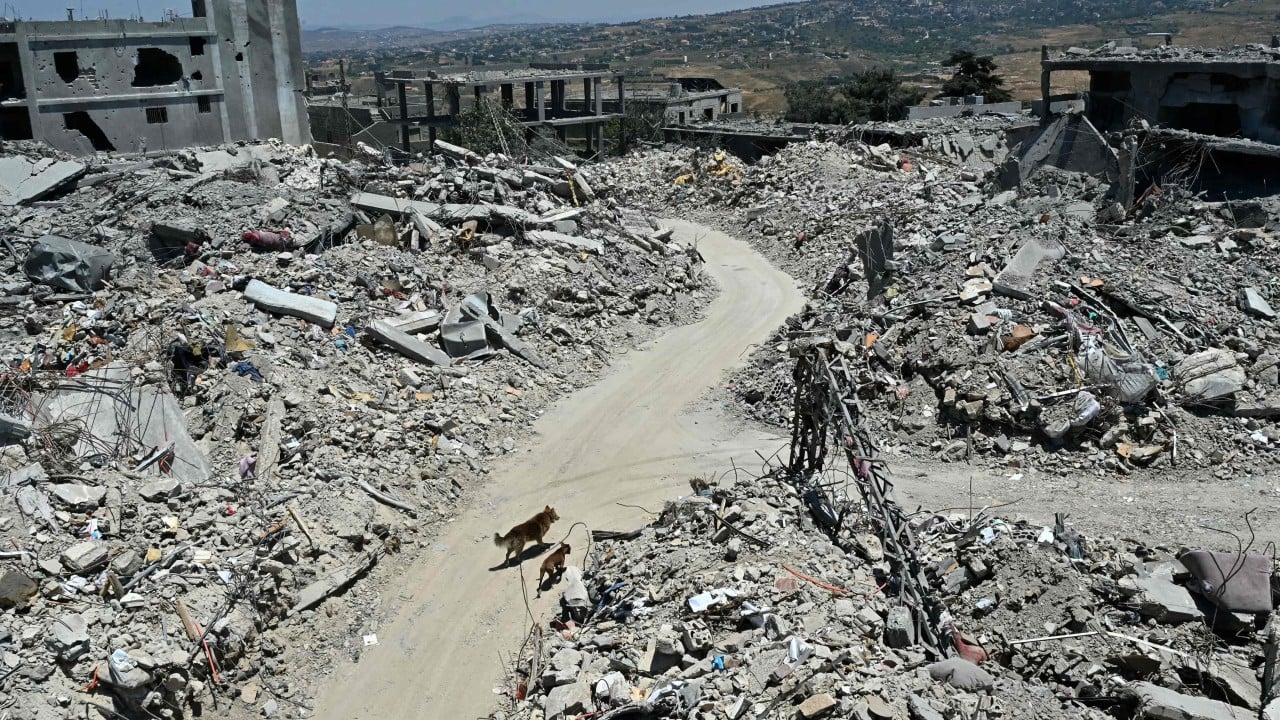
Everyone's talking about how the smoke is finally clearing over the Persian Gulf, but the emerging Middle East post-Iran war order isn't what the pundits predicted. Washington isn't celebrating a total victory. Tehran hasn't vanished from the map. Instead, months of brutal, asymmetric conflict have left behind a fragmented region where three distinct strategic paths are colliding. If you think this is a simple story of American dominance or a total Chinese takeover, you're missing the real shift.
The battlefield phase might be winding down under a shaky interim truce, but the structural struggle has just begun. Western analysts keep looking at the Middle East through an outdated lens. They assume military might translates directly into political architecture. It doesn't.
The Broken Illusion of American Maritime Hegemony
For decades, the United States guaranteed the free flow of oil through the Strait of Hormuz. That era is over. The recent war proved that cheap drones, smart sea mines, and asymmetric tactics can neutralize traditional naval power. Even with massive carrier strike groups, Washington struggled to keep commercial shipping lines safe without paying an unsustainable economic price.
The peace proposal floating around Washington includes a staggering 300 billion dollar reconstruction fund for Iran. Think about that. After a high-stakes campaign, the US is looking at paying for rebuilding rather than dictating terms. US envoys like Jared Kushner and Steve Witkoff are spending their days in Qatar trying to patch together a workable diplomatic framework.
They want to push ahead with Abraham Accords-style normalization, trying to hook Saudi Arabia and Israel into a unified defensive block. But regional capitals are hesitant. They saw how easily commercial hubs can get pulled into the crossfire. No one wants to tie their entire national security strategy to a Washington political establishment that switches gears every four years.
How China Wins Without Firing a Shot
While American forces bore the financial and military brunt of the fighting, Beijing quietly played a completely different game. China didn't project military power. They didn't need to. They focused strictly on economic survival and long-term trade infrastructure.
Look at the trade routes. As shipping through Hormuz faced constant disruptions, China fast-tracked alternate cargo paths. The Middle Corridor—stretching through Kazakhstan and across the Caspian Sea—cut transit times down significantly compared to risky ocean voyages.
[Traditional Sea Route via Hormuz: 45–60 days] vs [Caspian Middle Corridor: 15–18 days]
Beijing is ready to pick up the pieces of the shattered regional economy. They're positioning themselves as the primary partner for rebuilding efforts. Oman and China are emerging as the quiet winners here. Muscat has maintained its role as a neutral diplomatic bridge, while Beijing secures long-term energy assets without the messy baggage of direct military intervention. It's a strategy based on infrastructure, not infantry.
The Rise of Gulf Self Reliance
The most significant shift in the Middle East post-Iran war order is happening inside the Arab Gulf capitals. Leaders in Abu Dhabi and Riyadh have realized that geography is destiny. They can't move away from Iran, so they have to learn to manage the risk themselves.
We are seeing a major push toward defensive diversification. The United Arab Emirates isn't waiting for American approval anymore; they're exploring major arms deals with India for BrahMos cruise missiles to validate their own defensive capabilities. They are talking to Turkey. They are building local defense industries.
- Direct Engagement: Regional players are running their own parallel diplomacy with Tehran to keep local shipping moving.
- Economic Hedging: Sovereign wealth funds are pivoting hard into domestic energy assets and technology, preparing for a world where the US dollar faces long-term reserve challenges.
- Strategic Autonomy: Local states are refusing to take sides in the broader Washington-Beijing cold war.
This isn't about switching masters from West to East. It's about hedging. Gulf states are creating a multi-aligned foreign policy because relying on a single security umbrella proved to be a liability when the missiles started flying.
Realities of the New Strategic Equilibrium
Iran survived the war, but its economy is in tatters. Reports show over 270 billion dollars in infrastructure damage and millions of citizens pushed into poverty. The clerical leadership in Tehran has shifted its primary goal from regional ideological expansion to sheer economic survival.
This economic desperation changes the calculus. A weakened Iran is less likely to fund massive proxy networks, but a cornered Iran remains highly dangerous if the interim deal collapses. Security isn't going to come from a grand, sweeping treaty. It will be a messy, transactional arrangement where everyone keeps their eyes on the exit.
Do not expect a clean postwar architecture to emerge from the current Doha talks. The new order will be defined by overlapping spheres of influence, where the US manages localized military deterrence, China dominates reconstruction logistics, and regional states run the day-to-day diplomacy.
The next move for global businesses and political strategists isn't to wait for a final peace treaty. Start mapping your supply chains around alternative corridors like the Caspian routes. Diversify your regional operations across multiple hubs like Bahrain and Dubai, and accept that maritime security in the Gulf will remain a localized, fragmented affair for the foreseeable future.