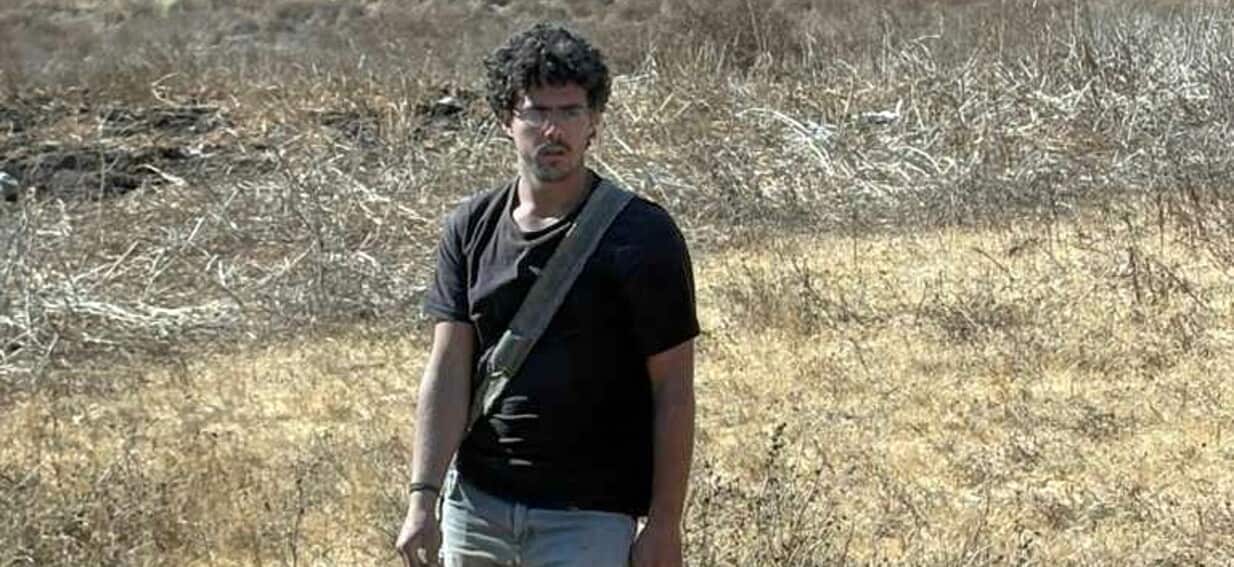
Graham Platner finally quit. After months of defiant speeches, aggressive social media videos, and a progressive movement that seemed ready to upend Maine politics, the insurgent Democratic nominee suspended his campaign. He did it via an angry, eleven-minute video posted online on Wednesday night.
Most national news outlets are treating this as a sudden shock. They're wrong. If you closely watched this race, the spectacular implosion of the Platner campaign wasn't just predictable. It was inevitable. For another perspective, read: this related article.
The national Democratic party wanted an anti-establishment outsider who could unseat veteran Republican Senator Susan Collins. They got exactly what they asked for, but it came with a terrifying amount of baggage. Now, the party faces a messy, chaotic race to find a replacement before the looming legal deadlines hit.
The Scandals That Finally Sunk the Oysterman
Platner tried to frame his exit as a sacrifice for his movement. He blamed a corporate media system and Washington party insiders for forcing him out. He claimed powerful forces used allegations as an excuse to dry up his campaign resources. Similar analysis on this trend has been shared by NBC News.
That narrative is complete nonsense.
He didn't drop out because of a political establishment conspiracy. He dropped out because serious, credible allegations of sexual assault made his candidacy completely toxic.
The breaking point arrived when Politico reported details from an ex-girlfriend named Jenny Racicot. She revealed that in late 2021, an intoxicated Platner entered her home uninvited and forced her to have sex while she repeatedly told him to stop. She stated plainly in interviews that it was rape.
Hours later, the Washington Post published another account from a different ex-girlfriend, Lyndsey Fifield. She accused Platner of removing protection during sex without her consent.
Platner denied everything. He called the claims false and politically motivated. But for his high-profile backers, a clear red line had been crossed.
Progressive icons who had previously rallied by his side abandoned him in droves. Representative Ro Khanna rescinded his endorsement immediately. Senator Bernie Sanders, who had given Platner immense credibility among progressive voters, issued a sharp public statement recommending that he step aside. When your most loyal defenders tell you it's over, the game is up.
A Long Trail of Warning Signs Left Unheeded
The real tragedy for Maine Democrats is that they had plenty of early warnings. The vetting process failed spectacularly.
Platner built his entire political identity on being a rough-around-the-edges working-class guy. He was a Marine Corps veteran who served three combat tours in Iraq and one in Afghanistan. He ran an oyster farming operation in coastal Maine. He talked with a gravelly, deep voice that easily filled a room. Voters who were tired of polished, corporate politicians found his gruff populism incredibly appealing.
But the rugged outsider persona hid a long list of troubling behavior.
Last year, old Reddit posts surfaced from his past. In those threads, he ranted using profanity, called rural white Americans stupid, and made deeply offensive comments about sexual assault victims. He claimed people worried about being assaulted should take responsibility for themselves and not get too drunk. He blamed his severe post-traumatic stress disorder for those posts and apologized, and voters gave him a pass.
Then came the chest tattoo. Journalists discovered Platner had a prominent tattoo of the Totenkopf, a skull-and-crossbones symbol used by the Nazi SS. He claimed he didn't know the historical context and got it while drinking on leave in Croatia. He eventually got it covered up, but it showed a shocking pattern of poor judgment.
By May, reports emerged that he had sent sexually explicit text messages to multiple women while married to his wife, Amy Gertner. His campaign team started falling apart. Key staffers resigned in disgust.
Yet, despite all of this, Platner crushed the June Democratic primary with over 70% of the vote. His chief rival, Governor Janet Mills, had already stopped active campaigning months earlier because Platner was dominating the polls and the fundraising metrics. Democratic voters bought into his story of personal redemption. They didn't want to judge a veteran on his worst moments.
Now, they're paying the price for that blind loyalty.
The Race Against the Clock to Replace Platner
Maine Democrats are stuck in a logistical nightmare. They have an open vacancy in one of the most competitive Senate races in the country, and the clock is ticking loud.
Under Maine state law, Platner must officially file his withdrawal paperwork by Monday, July 13 at 5 p.m. Eastern Time. If he misses that window, his name stays locked on the November ballot. Assuming he files the paperwork on time, the state Democratic party has until July 27 to officially select a brand-new candidate.
How will they choose? The party's state committee held an emergency meeting and signed off on holding a special nominating convention. It won't be a traditional primary where everyday voters head to the ballot box. Instead, a few hundred party insiders and committee members will decide the fate of the nomination in a convention hall.
Platner is still trying to control the outcome from his house in rural Maine. On a call with his remaining staff, he admitted he demanded assurances from party leadership that the replacement process would respect his voters. He explicitly warned Washington insiders to stay out of it. He wants a progressive firebrand who matches his anti-billionaire, pro-worker platform.
But the list of actual contenders shows a party deeply divided between moderate insiders and progressive loyalists.
Troy Jackson is currently the frontrunner according to political observers. The former president of the Maine State Senate has deep roots in the state's labor movement. He released a statement saying he is humbled by the encouragement to run, though he hasn't made a final decision. He openly condemned Platner's actions while trying to comfort grieving progressive campaign workers.
Shenna Bellows, Maine's current Secretary of State, is another major name in the mix. She previously ran for the Senate against Susan Collins back in 2014 and lost badly, but she has high name recognition across the state.
Dr. Nirav Shah, who achieved widespread popularity while leading the Maine Center for Disease Control and Prevention during the pandemic, is also being heavily discussed. He offers a calm, data-driven alternative to the chaotic populism of the Platner era.
There are also wild cards. State Representative Valli Geiger, a loyal Platner ally, confirmed that Platner personally called her to ask her to run as his successor. Meanwhile, political candidates who lost in the June primary cycle, like former Maryland official Costello, are already declaring they want back in the race.
The Political Fallout for the Senate Majority
The timing of this disaster couldn't be worse for national Democrats. Republicans currently hold a narrow 53-47 majority in the United States Senate. Democrats desperately needed to flip Maine to have any realistic path toward regaining power in Washington.
Republicans are already capitalizing on the chaos. Republican National Committee Chairman Joe Gruters immediately issued a scathing attack, accusing Democrats who endorsed Platner of being complicit. The GOP strategy for the rest of the year is simple. They will tie every single Democrat in Maine to Platner's scandals.
Susan Collins now sits in an incredibly strong position. While she faces voters who are hungry for change, she is running against a ghost. Whoever the Democrats pick on July 27 will have just over three months to build a statewide campaign infrastructure, raise millions of dollars, and convince voters to trust a party that just nominated a compromised candidate.
Your Actionable Next Steps as a Voter or Observer
The situation in Maine is fluid and changing by the hour. If you want to follow this race or understand how it impacts your own political involvement, stop reading opinion pieces and take these concrete actions.
Track the official withdrawal filing. Watch the Maine Secretary of State's portal on Monday, July 13. If Platner's formal paperwork isn't submitted by 5 p.m. ET, Democrats face a legal catastrophe.
Monitor the nominating convention rules. The Maine Democratic Party will release the official guidelines for their emergency convention over the next few days. Read those rules to see how much power local delegates have versus party elites.
Audit candidate histories early. Whoever jumps into this race next needs immediate scrutiny. Don't wait for national investigative reporters to uncover background issues in August or September. Look at the public records of Troy Jackson, Shenna Bellows, and Nirav Shah now.
The Platner campaign is dead, but the structural anger that created it isn't going anywhere.