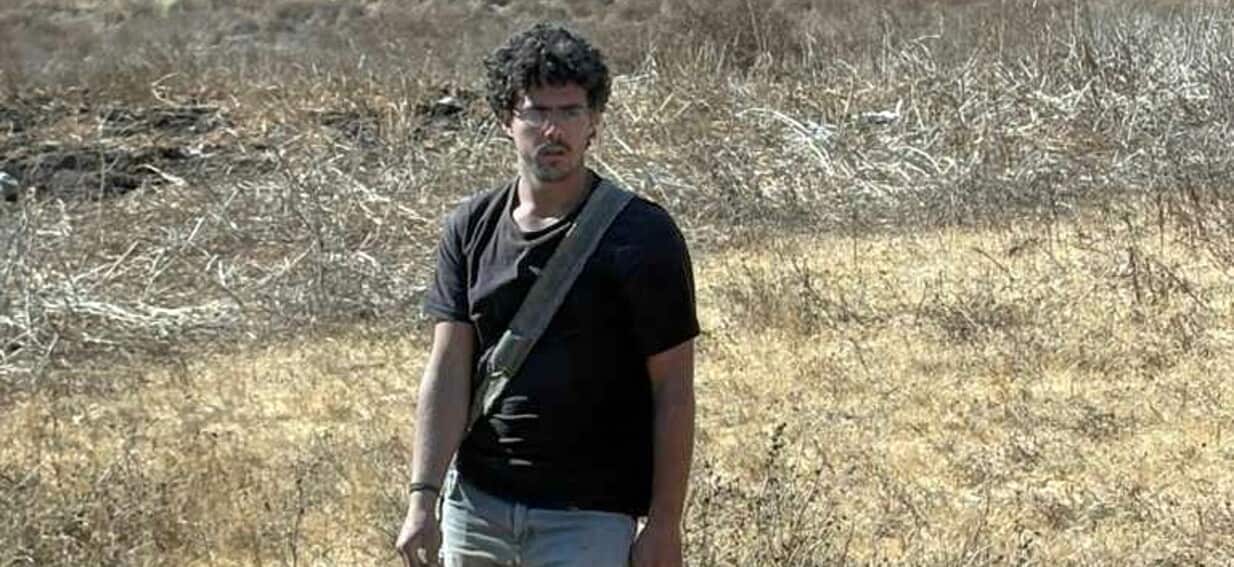
New York City just lost two of its most dedicated street-level protectors. Jayson Conner, 48, and Jeffrey Newman, 58, the husbands and co-founders behind the life-saving nonprofit Backpacks for the Street, have passed away. Their sudden absence leaves a massive, heartbreaking hole in the city's grassroots mutual aid network.
If you've spent any time walking through Times Square, the subways, or the parks of Brooklyn, you've probably seen their work. You might not have known their names, but you definitely saw the sturdy backpacks carried by New Yorkers experiencing homelessness. Those bags weren't just random handouts. They were meticulously packed lifelines, stuffed with dignity, care, and essentials that most people take for granted.
Losing them is a brutal blow to the city. They didn't operate from plush corporate offices or run flashy galas. They were on the pavement every single day. They built an organization that turned simple backpacks into symbols of hope, distributing tens of thousands of them across the five boroughs.
The Reality of Living on New York Streets
To understand why their work was so revolutionary, you have to understand the sheer cruelty of urban homelessness. Most city programs treat unhoused people like statistics to be managed. Jayson and Jeffrey did the exact opposite. They looked people in the eye. They listened.
Jayson understood this struggle intimately because he lived it. Years before starting the nonprofit, he spent two grueling years homeless, navigating the unforgiving streets of San Francisco and New York without a safety net. He knew what it felt like to be entirely invisible. He knew the absolute terror of not knowing where your next meal is coming from, or where you'll sleep safely.
When Jayson later took a job in Times Square, the reality of the crisis hit him fresh every night. He finished his shifts at two in the morning, walking past dozens of people sleeping on cold concrete. He went home crying. Jeffrey saw his husband's heartbreak and realized they couldn't just stand by. They had to act.
They started small, buying nearly 3,000 blankets out of their own pockets. They spent nights distributing them, regardless of the freezing weather or how tired they were after work. That deep, personal understanding of suffering shaped their entire approach to charity.
How a Simple Backpack Becomes a Lifeline
Many people wonder why a backpack matters so much. Why not just hand out food or cash?
Jeffrey explained it best during their years of street work. A plastic grocery bag breaks. It tells the world you're vulnerable. A backpack, however, offers utility and a tiny shred of privacy. It allows someone to carry their life securely on their back.
They officially launched Backpacks for the Street in March 2018 under their parent nonprofit, Together Helping Others. What started as a modest plan to distribute 75 bags quickly exploded. They realized the need was infinite.
Each backpack contained between 45 and 50 highly specific items. They didn't guess what people needed; they knew. The bags held toothbrushes, toothpaste, soap, shampoo, moisturizer, and lip balm. They included emergency blankets, socks, sewing kits, and feminine hygiene products. During the heights of the pandemic, when public water fountains were shut down and businesses closed their doors, they stepped up by adding masks and gallons of hand sanitizer to their distributions.
They even created "BarkPacks" for unhoused individuals with dogs, packing them full of pet food and treats. They recognized that a dog is often a homeless person's only source of unconditional love and protection.
The Pandemic Response That Put Bureaucracy to Shame
When New York City shut down in March 2020, traditional services crumbled. Drop-in centers closed, soup kitchens faced massive supply shortages, and volunteers stayed home out of fear.
Jayson and Jeffrey didn't hide. They realized they were an essential service. They went into overdrive, working 60-hour weeks without drawing a single dime in salary. Jeffrey even left his career as a journalist and editor to run the operation full-time.
During the pandemic alone, they distributed more than 10,000 backpacks, 200 gallons of hand sanitizer, and 18,000 masks. They averaged roughly 300 backpacks every single week.
They managed this massive logistical feat through pure grit and an Amazon wishlist. They didn't wait for massive government grants. They asked regular people to buy granola bars, Gatorade, and toiletries online, which they then assembled with teams of volunteers in whatever space they could find.
Moving Past Handouts to Human Connection
The secret to their success wasn't the material goods. It was the conversation.
Jeffrey often talked about how the worst part of being homeless is the social isolation. People walk past you like you're a piece of trash. You lose your sense of humanity.
Because of that, Jayson and Jeffrey made it a rule never to just drop a bag and walk away. They stopped. They asked for names. They listened to stories. They treated every single person with the exact same respect they would show a close friend.
They recalled a night on the subway when they handed a bag to a 22-year-old kid named Philip. The young man started jumping up and down, crying with pure joy. It's heartbreaking that a simple backpack can cause that much emotion, but it shows how desperately people want to feel seen.
Their long-term vision went way beyond backpacks. They built resources to help shelter residents showcase their art, organized free haircut days with local stylists, and worked on partnerships with laundromats so people could wash their clothes for free. They wanted to build a comprehensive system of dignity.
The Next Steps for New Yorkers Who Care
The passing of Jayson Conner and Jeffrey Newman is a tragic loss, but their mission shouldn't die with them. The absolute best way to honor their memory is to take immediate action in your own neighborhood. You don't need a massive budget to start making a difference.
First, change how you interact with unhoused people. Stop looking away. A simple nod, a polite hello, or a brief conversation can completely alter someone's day. Treating people with basic human dignity costs absolutely nothing.
Second, consider building your own care kits. Keep a few sturdy backpacks or tote bags in your car or apartment. Fill them with high-quality socks, wet wipes, deodorant, non-perishable snacks, and bottled water. When you see someone in need, hand it to them directly.
Third, support the grassroots operations that keep this city moving. Look for local mutual aid groups, neighborhood soup kitchens, and street outreach teams that operate with transparency. Donate supplies, give your time, or fulfill their online wishlists. Jayson and Jeffrey proved that two dedicated people can spark a movement that protects thousands. It's up to the rest of us to keep that movement alive.
To see their incredible work in action and hear their philosophy firsthand, watch this moving chronicle of Backpacks for the Street, which shows how Jayson and Jeffrey directly transformed lives on the pavement of New York City.