Don't be fooled by the recent diplomatic theater in Islamabad. When Pakistani officials dropped hints that they could host direct talks between Washington and Tehran, it looked like a stunning diplomatic comeback. For a country usually written off as economically broke and politically chaotic, inserting itself into the center of the West Asia crisis seems like a masterstroke.
But it isn't.
This isn't a story about a rising global mediator. It's a story about desperate domestic survival.
The reality behind Pakistan’s sudden urge to broker peace in the Middle East is simple. The country is staring down an economic gun. If the current tensions between Iran, Israel, and the United States spiral out of control, Pakistan's economy won't just suffer. It will completely collapse. Islamabad is scrambling to play peacemaker because it has no other choice.
The Numbers That Explain the Diplomacy
To understand why Pakistani diplomats are working overtime, you have to look at the cold data, not the idealistic speeches about Islamic solidarity. Pakistan is tied to the Gulf region by a financial umbilical cord. When the Gulf bleeds, Pakistan starves.
Consider the raw exposure. According to the International Monetary Fund report released in May 2026, Pakistan remains dangerously exposed to any shock in energy imports and remittance flows from the Gulf Cooperation Council states. The local press has been screaming about these numbers for months. Roughly 81% of Pakistan's fuel imports come directly from GCC countries. On top of that, 55% of all foreign remittances sent home by overseas workers originate in the Gulf.
Think about what happens if a wider war breaks out. If the Strait of Hormuz gets shut down or heavily disrupted due to ongoing military exchanges, those fuel supply lines freeze. Shipping insurance rates will rocket into the stratosphere. For a state that relies on constant inflows of Gulf cash to keep its foreign exchange reserves from hitting absolute zero, even a two-week shipping blockade means instant hyperinflation. It means rolling blackouts, dry gas stations, and a balance-of-payments crisis that no IMF bailout can fix in time.
Islamabad isn't acting out of global altruism. It is trying to stop a regional war from turning into an unmanageable domestic riot.
Why Both Sides Actually Answered the Phone
You might wonder why Washington or Tehran would even listen to an intermediary with so much baggage. Pakistan is not Qatar. It doesn't have billions of dollars in sovereign wealth to grease the wheels of diplomacy. It isn't Oman, a country with a long history of quiet, neutral facilitation.
Pakistan brings a different, sharper kind of weight to the table.
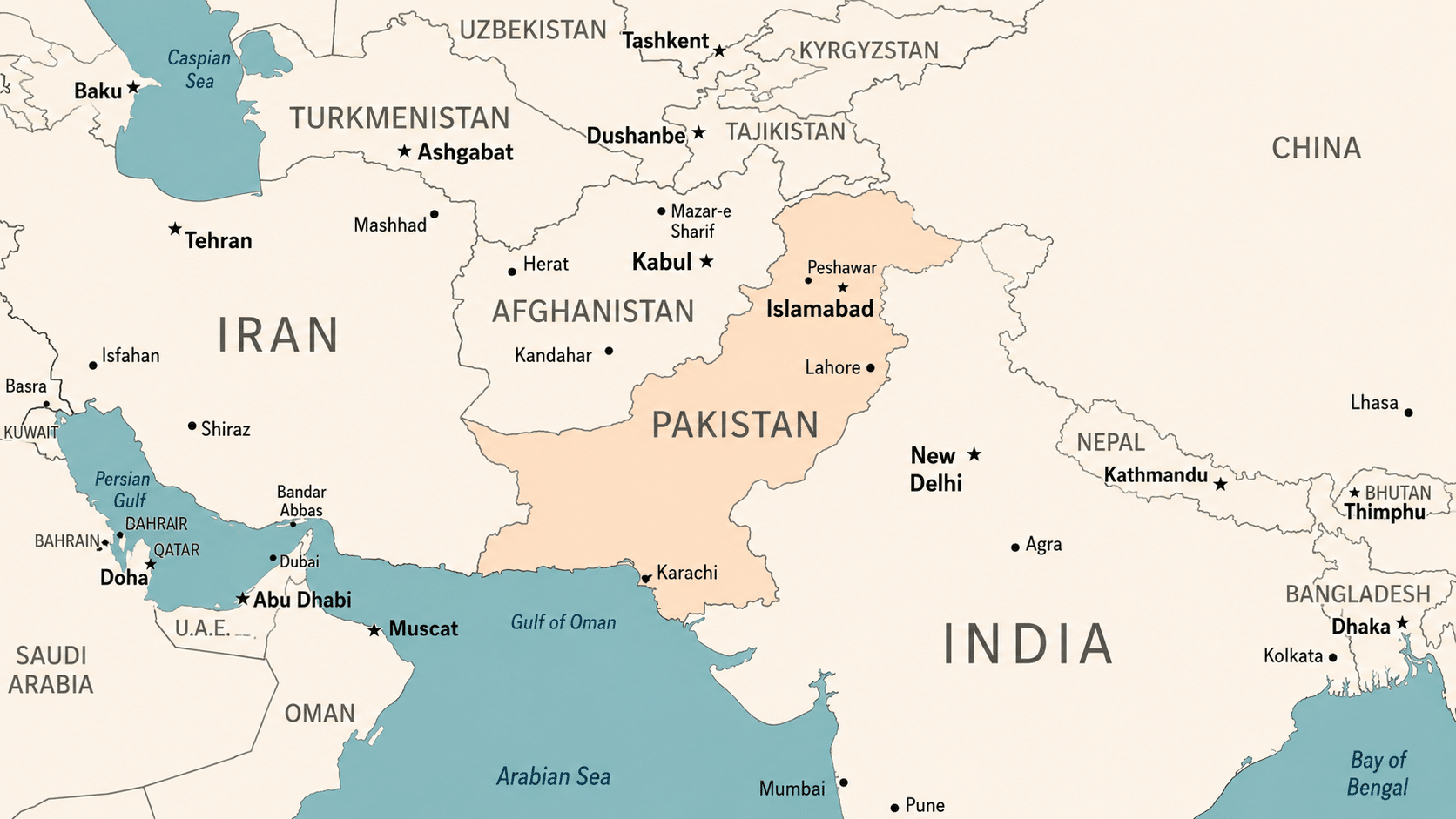
First, it shares a long, highly volatile border with Iran across the Balochistan region. Neither country wants that border to erupt. Tehran knows that if it gets dragged into a full-scale war with the West, a chaotic or hostile Pakistan on its eastern flank would be a nightmare. Pakistan is also home to one of the largest Shia Muslim populations outside of Iran. That creates a delicate internal dynamic for Islamabad, but it also gives Pakistani diplomats a level of cultural and religious access that Gulf monarchies simply don't possess.
Then there is the nuclear factor. Pakistan is the only nuclear-armed state in the Muslim world. That alone ensures that when its military leadership speaks, people listen.
The actual heavy lifting of this current mediation isn't happening in civilian diplomatic offices. It's driven by the army chief, Gen Asim Munir. The military apparatus has used quiet backchannels to keep the communication lines open between Washington and Tehran, helping sustain the delicate framework that emerged after the dangerous military standoffs earlier this year.
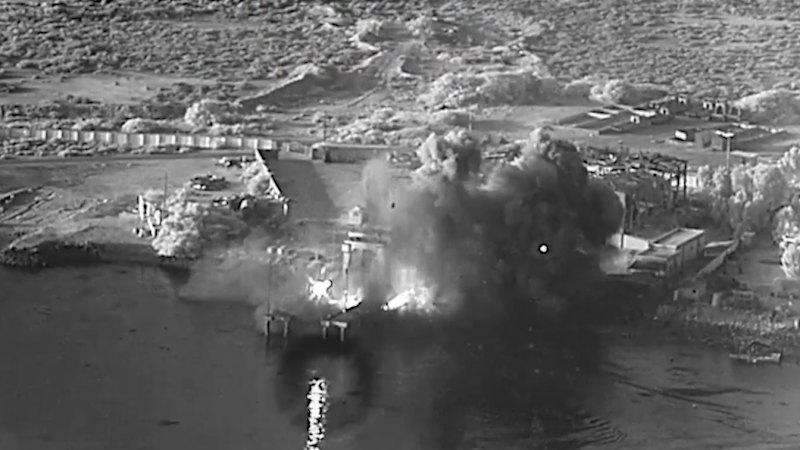
Remember how this current cycle started. The massive U.S. and Israeli strikes on Iranian targets on February 28, 2026, triggered direct retaliatory strikes that shook the region for forty days. When Pakistan stepped in to help patch together the April 8 ceasefire, it wasn't just passing notes. It was trying to cool down a fire that was actively blowing smoke into its own backyard.
The Blind Spot in Islamabad Strategy
This strategy has a massive, glaring flaw. Pakistan has absolutely zero influence over the most volatile actor in the equation. It has no leverage over Israel.
This is the structural dead end of Pakistan's foreign policy. Islamabad doesn't recognize Israel. It has no diplomatic ties, no backchannels, and no economic relationships with Tel Aviv. Yet, Israel is the main driver of the military pressure against Iran's nuclear and regional ambitions.
If Israeli leadership decides that its survival depends on continuing strikes against Iranian infrastructure, nothing Pakistan says to Washington or Tehran will change that calculation. Pakistan can build the most elegant diplomatic bridge in the world between the U.S. and Iran, but it cannot stop a third party from blowing up the bridge from the outside.
This leaves Pakistan in a dangerous spot. It's acting as a buffer for a conflict where it only controls half the variables. If the ceasefire collapses—and we've already seen fresh military friction in the Gulf recently—Pakistan's diplomatic efforts will look less like strategic balancing and more like wishful thinking.
The Mirage of the Trump Connection
Another weak pillar in Pakistan's current diplomatic push is its reliance on highly personalized political channels in Washington. Much of Islamabad’s current access depends on direct links into Donald Trump’s political circle.
Personal diplomacy can yield quick wins. It gets you meetings. It lets you deliver messages directly to the top. But it's also incredibly fragile. Relying on the shifting mood of a single administration means your foreign policy has no foundational stability. If Washington decides to pivot back to a policy of maximum pressure without warning, Pakistan’s value as an intermediary vanishes instantly.
Worse, you risk getting blamed for the failure. In international politics, the messenger often gets shot when the message goes bad. If the U.S. feels that Pakistan is carrying water for Tehran rather than delivering real concessions, Islamabad could quickly find itself back in the strategic doghouse, facing renewed economic pressure from the West.
Domestic Realities vs Foreign Fantasies
There's a strange disconnect happening right now. While Pakistani state media celebrates the country's new role as a regional swing state, ordinary citizens are struggling to buy basic groceries.
The domestic economy is a total mess. Inflation is crushing the middle class. The country is surviving on a diet of rolling structural loans and promises of investment that rarely materialize on the ground. At the same time, security inside Pakistan is deteriorating. Militant attacks are rising in Khyber Pakhtunkhwa and across the restive borders of Balochistan.
It's hard to project hard power abroad when you're struggling to maintain basic law and order at home. Foreign policy elites like to think that international prestige can compensate for domestic weakness. It doesn't work that way. A state whose economic survival depends on the daily stability of the global oil market can't afford to play the role of a global power broker for long.
The Limits of the Swing State Trap
Some analysts are calling Pakistan a situational swing state. They argue that its value comes from its ability to maintain access to all sides—Washington, Beijing, Riyadh, and Tehran.
That sounds great in a geopolitical essay. In reality, it's a trap.
When you try to be indispensable to everyone, you often end up trusted by no one. Elements within Tehran remain deeply suspicious of Islamabad's motives, viewing its sudden diplomatic activity as an attempt to curry favor with Washington for economic rewards. Meanwhile, any miscalculation that threatens Pakistan's defense understandings with Saudi Arabia could alienate Riyadh, the country's ultimate financial lifeguard.
Pakistan's diplomacy is adaptive, not transformative. It's a series of tactical maneuvers designed to buy time. It's an attempt to turn immense vulnerability into temporary relevance. It has succeeded in making Pakistan hard to ignore during this specific crisis, but don't confuse visibility with actual power. Islamabad can transmit messages, but it cannot dictate terms.
If you are tracking this crisis, watch the economic indicators, not the diplomatic photo-ops. Watch the shipping lanes in the Gulf. Watch the remittance flows. If those begin to dry up, Pakistan's diplomatic experiment is over, and the domestic emergency begins.
To protect your own interests or investments in the region, stop looking at Pakistan as a geopolitical arbiter. Start preparing for the domestic fallout if their fragile mediation model falls apart. Diversify supply lines away from absolute Gulf dependence, monitor the Balochistan border closely for spillover trade disruptions, and treat Islamabad's diplomatic announcements as survival signals rather than signs of regional strength.