Walk into almost any provincial liquor store in Ontario or Quebec right now and look for an American Cabernet or a craft beer from New York. You won't find much. For over a year, Canadian provinces have quietly engaged in one of the most aggressive economic tit-for-tat maneuvers in modern trading history, purging American alcohol from their shelves.
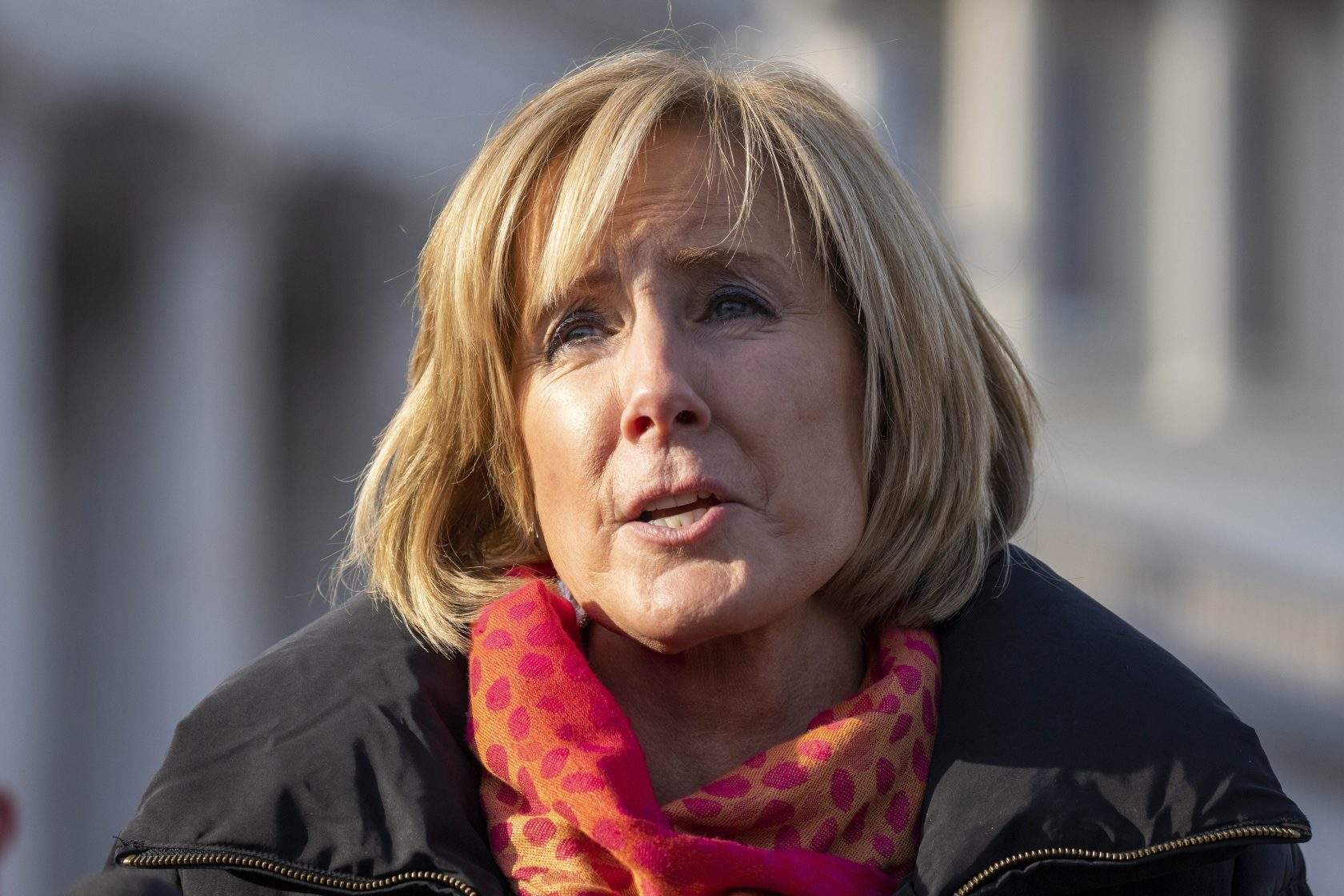
The U.S. is officially hitting back. On July 6, 2026, New York Republican Congresswoman Claudia Tenney introduced a piece of legislation aimed directly at breaking this Canadian blockade. It's called the Combating Attacks on our National Alcoholic Drinks by Allies Act, or simply the CANADA Act. Also making headlines in related news: The Illusion Of Safety At Toronto Street Festivals.
This isn't just a minor squabble over wine and beer. It's a high-stakes trade war hiding behind liquor store counters. If you've been wondering why your favorite American bourbon disappeared or why Washington is suddenly furious with America's northern neighbor, the answer lies in a messy mix of tariffs, political pride, and the weaponization of state-run liquor monopolies.
The Backyard Cold War Over Beer and Wine
The friction didn't start in a vacuum. It began in early 2025 when U.S. President Donald Trump slapped heavy tariffs on Canadian exports. Compounding the economic pain were his regular, provocative public statements suggesting Canada should become the 51st state. More details on this are covered by The Washington Post.
Canadians didn't take the aggressive posturing lying down. Instead of retaliating with broad national tariffs that could instantly violate international rules, Canada used a unique structural vulnerability in its own system to strike back. Eight provincial governments took advantage of their state-controlled liquor boards to issue an unwritten, sweeping ban on new American alcohol purchases.
By March 2025, the Liquor Control Board of Ontario, known as the LCBO, pulled American products from its shelves. The SAQ in Quebec followed a similar playbook. Because these provincial boards operate as massive, centralized buyers, their sudden refusal to buy American products immediately choked off the market. It was a brilliant, devastatingly effective use of consumer power.
Ontario alone imported nearly $965 million worth of American alcohol annually before the ban took effect. When the gates slammed shut, millions of dollars in U.S. products expired in warehouses or sat stranded on shipping docks.
What the CANADA Act Actually Does
Tenney's new bill is an explicit attempt to force Canada's hand by threatening massive economic pain. The core mechanism of the bill relies on Section 301 of the Trade Act of 1974.
Instead of passing an immediate tariff, the legislation instructs U.S. Trade Representative Jamieson Greer to launch a formal investigation into the discriminatory trade practices of Canadian provincial liquor monopolies. Under American trade law, a Section 301 investigation gives the administration the unilateral authority to impose retaliatory tariffs or import restrictions if a foreign government is found to be unfairly restricting U.S. commerce.
Tenney was blunt in her assessment. She stated that Canadian provinces cannot hold American wineries, breweries, and distilleries hostage in an attempt to ransom them. From the Washington perspective, American business owners are being punished for a federal trade dispute they have absolutely nothing to do with.
The bill has major backing from industrial lobby groups. WineAmerica, the national association representing U.S. wineries, threw its weight behind the legislation immediately. Wineries stretching from the Willamette Valley in Oregon to the Finger Lakes in upstate New York have seen their export revenues vanish overnight.
The Catastrophic Hit to U.S. Alcohol Producers
The economic damage to the American beverage industry isn't speculative. The numbers are bleak. Data from the U.S. Census Bureau and trade associations shows that American wine exports to Canada collapsed by an astonishing 78% between 2024 and 2025, plummeting from $460 million down to just $103 million.
The distilled spirits sector took an even harder hit. A report from the Distilled Spirits Council of the United States indicated that American liquor exports to Canada crashed by 85% in the second quarter of 2025 compared to the previous year, dropping below the $10 million mark.
For many family-owned vineyards and independent distilleries, Canada wasn't just a secondary market. It was their primary international buyer. Shipping wine across the border into Ontario was logistically simpler and far more lucrative than trying to break into European or Asian markets. The sudden loss of that revenue stream has pushed several mid-sized U.S. beverage companies to the brink of bankruptcy.
Why Canada Won't Back Down Without a Fight
If Washington thinks a simple legislative threat will make Canada fold, it's miscalculating the political climate north of the border. There's almost zero domestic political pressure on Canadian politicians to bring back American booze. In fact, standing up to American trade pressure is incredibly popular with Canadian voters.
Canadian Prime Minister Mark Carney has characterized the provincial alcohol bans as a standard trade irritant, but he hasn't moved to stop them. He understands that the bans give Canada vital leverage.
Provincial leaders are being even more direct. New Brunswick Premier Susan Holt made it clear that she has no intention of putting American bottles back on retail shelves until the United States reverses its costly duties on Canadian steel and softwood lumber. Her view is that Canada is simply using the power of its consumers to protect its own core industries.
Ontario Premier Doug Ford echoed this sentiment during a recent trip to Washington. He stated that Ontario would gladly welcome back American alcohol, but only after the ongoing renegotiation of the Canada-United States-Mexico Agreement, or CUSMA, is successfully completed. Until a broader trade deal is signed, the alcohol ban remains Canada's favorite bargaining chip.
The Friction in the CUSMA Renegotiations
The timing of Tenney's bill is critical. The United States recently confirmed it won't immediately renew the continental trade pact, keeping both nations locked in a prolonged period of tense negotiations.
Tenney argues that the Canadian alcohol bans are an active impediment to a productive renegotiation process. U.S. Trade Representative Jamieson Greer has also hinted that resolving the dispute will likely require an enforcement action.
This sets up a dangerous game of economic chicken. If the U.S. uses the CANADA Act to launch a Section 301 investigation and subsequently slaps new tariffs on Canadian goods, Canada will almost certainly retaliate with tariffs of its own. What started as a localized dispute over wine could easily spiral into a multi-sector trade war affecting manufacturing, agriculture, and the automotive industry.
How to Navigate This Trade Dispute Moving Forward
If you are a business owner, importer, or consumer caught in the middle of this cross-border battle, you can't afford to wait around for Washington and Ottawa to settle their differences. Here are the practical steps you need to take right now to protect your interests.
Diversify Your Supply Chains and Markets
American alcohol producers must stop viewing Canada as a guaranteed safety net. It's time to pivot marketing budgets toward domestic regional expansion or alternative international markets like Japan, the United Kingdom, and South Korea, where trade agreements are currently stable.
Audit Interprovincial Trade Alternatives
For Canadian hospitality businesses and consumers feeling the pinch of limited selection, look toward domestic alternatives. The ongoing trade war has forced Canadian provinces to accelerate discussions around lowering interprovincial trade barriers. Keep a close eye on private member bills aimed at allowing direct-to-consumer alcohol shipping between provinces, which could open up access to excellent B.C. and Nova Scotia wines to replace missing American stock.
Prepare for Broader Import Volatility
If you rely on cross-border logistics between the U.S. and Canada, assume that the friction will worsen before it improves. Build tariff buffers into your financial projections for the rest of 2026. The introduction of the CANADA Act signals that the U.S. is willing to escalate trade enforcement, meaning other sectors could find themselves targeted next.
This dispute isn't going away with a simple handshake. Until the broader CUSMA negotiations find solid ground, those liquor store shelves in Canada are going to stay empty of American brands.
Doug Ford explains the provincial stance on the alcohol ban
This video provides direct insight into how Canadian provincial leaders view the liquor ban as a direct piece of leverage in the broader trade negotiations with the United States.