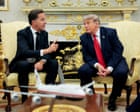
The traditional transatlantic defense dynamic is over, and the NATO summit in Ankara is the wake-up call Europe tried to ignore.
For years, European leaders treated American complaints about defense spending like a nagging parent. You nod, you promise to clean your room, and you go right back to scrolling on your phone. But Donald Trump isn't nagging anymore. He's threatening to turn off the Wi-Fi.
As the 32 member states gather in the Turkish capital, the atmosphere isn't just tense; it’s survivalist. The core point driving this summit isn't a friendly check-in on modernization. It’s a direct ultimatum from Washington: prove you are on a definitive, urgent track toward spending 5% of your Gross Domestic Product (GDP) on defense, or watch the American security umbrella fold up and head home.
The Blunt Math of the Five Percent Ultimatum
Let's skip the diplomatic fluff. Last year at The Hague, alliance members signed a bold pledge to hit a massive 5% GDP target for defense and related infrastructure by 2035. At the time, many European capitals treated that target as a distant, aspirational benchmark. They figured they could glide along just by finally meeting the old 2% floor.
Trump blew past those expectations before landing in Turkey.
US Ambassador to NATO Matthew Whitaker made the administration's stance explicit: Washington expects immediate, concrete roadmaps. The White House isn't waiting until 2035. They want action now. NATO Secretary-General Mark Rutte spent weeks trying to soften the blow, famously carrying cardboard charts into the Oval Office to show off the "Trump trillion"—the cumulative spike in European defense spending since 2017.
It didn't work. Trump simply fired back on Truth Social, plastering a graphic that contrasted a near-$1 trillion US defense budget with the comparatively modest spending of the UK and France.
The math behind the 5% target isn't just a political number pulled from thin air. The pledge splits the burden:
- 3.5% goes directly into hard military capability, hardware, and troop readiness.
- 1.5% goes toward dual-use infrastructure—roads, bridges, and deep-water ports capable of rapidly moving heavy armor across Europe if a crisis erupts.
Why This Summit Feels Different
The Ankara meeting takes place against a backdrop of deep exhaustion and genuine strategic friction. This isn't just about Ukraine anymore. Tensions over the recent conflict in Iran and bizarre spats over Greenland have left the alliance fraying at the edges.
Europe's military reality is look-in-the-mirror grim. True, European allies have scrambled to fill the immediate gaps left by the initial drawing down of US troop allocations on the continent. But they haven't achieved true self-sufficiency.
Consider the gaps:
- Zero strategic long-range bombers: Europe relies entirely on US strategic airpower for deep-strike deterrence.
- Empty stockpiles: Simultaneous conflicts in Ukraine and the Middle East have drained Western missile inventories to dangerous lows.
- Dwindling air superiority: The Pentagon plans to slash its assigned European air assets—cutting F-15 and F-16 squadrons by a third—while Defense Secretary Pete Hegseth reviews plans to pull the most troops from nations lagging behind on their budgets.
To keep Trump from a public blow-up, European nations are arriving with what analysts call "tokens of support". They’re pledging minesweeping operations and naval escorts in the highly volatile Strait of Hormuz. On the sidelines of the Ankara summit, an arms industry forum will unveil tens of billions of dollars in new contracts, essentially hoping a massive influx of cash into the defense sector will act as diplomatic currency.
The Ukraine Burden Shift
Then there's the €70 billion ($75 billion) military and financial aid package slated for Ukraine. On paper, it sounds like a massive show of unified force. In reality, it’s a tactical retreat by Europe to keep the peace with Washington.
The US isn't contributing to this specific financial package. It’s funded almost entirely through existing European bilateral commitments and an EU loan facility. It serves a dual purpose: it keeps Kyiv alive during a grueling battlefield stalemate, and it gives Trump a tangible win to show American voters that Europe is finally carrying its own weight.
But don't confuse this aid package with a path to membership. The draft communique remains completely silent on an ascension timeline for Ukraine.
Reality Check for European Leaders
If you think this is just standard political theater that will blow over by next year's summit, you’re missing the structural shift happening right under our feet. The US is reorienting its global posture. The expectation of infinite, unconditional American security is dead.
For European defense ministries, the next steps require immediate structural changes:
- Ditch protectionist defense procurement. Stop treating military budgets as domestic job programs. European nations need to consolidate their fragmented defense industries to build weapon systems at scale, rather than funding minor national projects that can't integrate during war.
- Reprioritize national budgets toward dual-use infrastructure. Building a cutting-edge military is useless if your bridges collapse under the weight of a modern main battle tank. Investing the required 1.5% into transport networks isn't optional; it’s foundational.
- Secure local supply chains. Relying on just-in-time manufacturing for artillery and precision munitions is a proven failure in high-intensity conflicts. Contracts signed this week in Ankara must focus on manufacturing depth, not just shiny new platform acquisitions.
The days of cheap defense are over. If European states want an ironclad commitment to Article 5, they have to pay the premium.