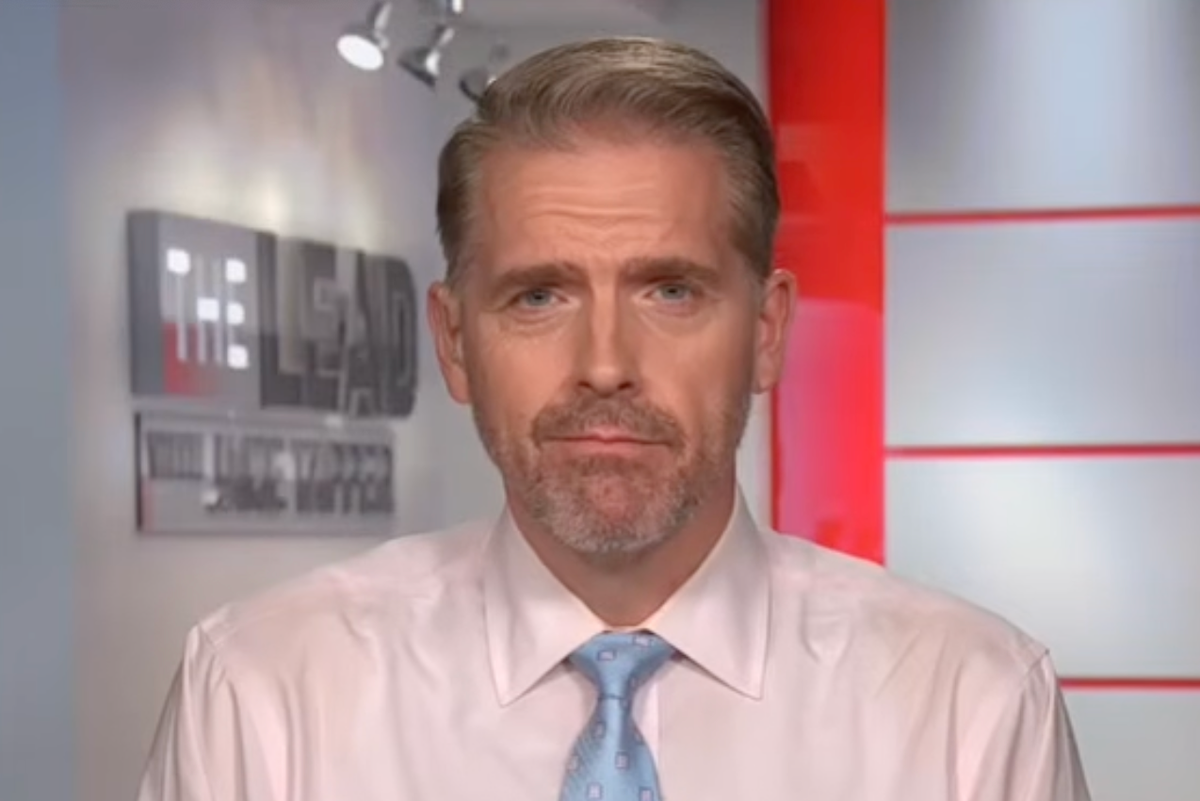
The political rumor mill in Washington has always been brutal, but the recent spectacle surrounding Kentucky Senator Mitch McConnell takes things to an entirely new level. After vanishing from the public eye following a June 14 hospitalization, the 84-year-old lawmaker became the center of a chaotic whirlwind of MAGA conspiracy theories, viral internet memes, and a frantic effort by his allies to offer what critics are calling a desperate "proof of life" campaign.
When your closest political allies have to go on national television and social media just to convince the public that you are still breathing, you know transparency has officially left the building. For an alternative view, read: this related article.
The drama reached a boiling point when CNN political commentator and former McConnell adviser Scott Jennings tried to calm the waters. Jennings took to X to announce he had just spent nearly twenty minutes chatting with his old boss on the phone. Instead of reassuring the public, the post ignited a firestorm of mockery, skepticism, and a viral meme trend that completely derailed the intended message. The entire episode exposes a massive communication failure and highlights the deep, bitter fractures within the modern Republican party.
The Rumor Mill Goes Into Overdrive
Let’s look at how we got here. McConnell was rushed to the hospital on June 14 after a medical emergency at his Washington, D.C. home. Emergency logs later leaked, revealing that paramedics had performed CPR on an unconscious individual at the address. Related coverage on this trend has been published by Al Jazeera.
For weeks, McConnell’s office offered nothing but stone-cold silence or vague, boilerplate updates. They told reporters he was "receiving excellent care" and "continuing to improve."
That absolute lack of clarity created a massive vacuum. In modern politics, a information vacuum gets filled by the loudest voices in the room.
Enter the far-right internet ecosystem. Influencer Laura Loomer claimed a high-level source told her McConnell was officially brain dead and being kept alive solely by machines. She went so far as to claim his wife, Elaine Chao, had fled the country.
It sounds completely unhinged because it is. But millions of people watched these claims rack up views on social media. Everyday voters and conservative commentators started demanding actual evidence that the longest-serving Senate leader in Republican history was still functional. Even mainstream conservative figures like Glenn Beck joined the chorus, pointing out the hypocrisy of Republicans who spent years slamming Joe Biden’s health while staying silent on McConnell’s status.
Inside Scott Jennings Twenty Minute Lifeline
To put out the growing fire, Scott Jennings stepped into the fray. He posted a cheerful update meant to serve as a definitive Mitch McConnell proof of life statement.
According to Jennings, the two men had a substantial conversation covering everything from foreign policy in Iran and Ukraine to Senate history and personal library visits.
"I spoke to my old friend Mitch McConnell this morning, the senior Senator from Kentucky," Jennings wrote. "He's still recovering in the hospital. We talked for just shy of 20 minutes."
It was a classic Washington move. You deploy a trusted surrogate to show that the boss is still sharp, engaged, and running the show from a hospital bed.
The pushback was instant and fierce. Far-right politicians didn't buy a single word of it. They viewed Jennings as an establishment hack doing damage control for a broken system. The skepticism didn't just come from online trolls; it came from inside the house. The tension between the traditional GOP establishment and the populist MAGA wing meant that an update from a traditional conservative commentator carried zero weight with the America First base. Instead of shutting down the conspiracy theories, the post made them worse.
The Viral Backlash and Weekend at Bernies Jokes
If the political pushback wasn't bad enough, the internet turned the entire situation into a giant punchline. Jennings’ specific phrasing—"I spoke to my old friend Mitch McConnell this morning"—instantly became a viral copy-paste trend on social media.
Comedians, political commentators, and regular users began posting their own ridiculous versions of the phone call. Some joked that McConnell called them to confess wild secrets, while others claimed they just got off the phone with long-dead historical figures.
The humor masked a serious underlying critique. People genuinely felt that the political establishment was trying to pull off a real-life version of the movie Weekend at Bernie's.
When the public starts reacting to serious medical updates with widespread satire, you have lost the narrative. The joke wasn't just about McConnell’s age or his physical frailty; it was about a profound lack of trust in official statements.
A Culture of Secrecy Barks Back
McConnell's office finally realized that surrogate tweets weren't going to cut it. Following the sudden death of South Carolina Senator Lindsey Graham on July 12, McConnell’s team released an official statement mourning his colleague and paired it with a photograph of McConnell awake in his hospital bed alongside Elaine Chao.
The statement tried to explain the previous silence by framing it as generational stoicism. McConnell noted that folks of his generation hesitate to share the vulnerability that comes with growing older.
He admitted that a severe fall had landed him in the hospital and that his childhood battle with polio made recovering from mobility issues even tougher at 84 years old.
While the photo and direct statement did provide the literal proof of life that skeptics demanded, the entire rollout was a disaster. Waiting nearly a month to provide a clear, honest assessment of a high-ranking public official’s health is a terrible strategy. It damages credibility and fuels the very conspiracy theories that leaders claim to despise.
What Happens Next for the GOP Leadership
This entire mess isn't just about one man’s health; it is about power. McConnell already announced he is stepping down from his long-held leadership position, but he intends to finish his Senate term.
With a razor-thin Republican majority in the Senate, every single vote counts. If McConnell is incapacitated or unable to return to the floor, the balance of power becomes incredibly precarious for Senate Majority Leader John Thune.
If you are managing communications for a public figure or navigating a high-stakes political situation, you can learn a lot from this failure.
First, stop trying to manage bad news with total silence. It never works. If you don't tell your own story, your enemies will invent one for you.
Second, choose your messengers wisely. In a deeply divided environment, sending out a traditional insider surrogate can sometimes alienate the exact people you need to convince.
Finally, recognize when the public has lost faith. When the memes start taking over, you need to skip the media middleman and deliver direct, undeniable facts immediately.
Moving forward, the Senate GOP needs to prioritize radical transparency about who is fit to serve and who isn't. The era of backroom assurances and twenty-minute phone call confirmations is officially over.