Imagine paying ¥110,000 a night for luxury hotel rooms on the beaches of Waikiki. Now imagine doing that on someone else's dime while flying business class across the Pacific. That's exactly what a group of politicians from Fukuoka Prefecture did, and the Japanese public is absolutely furious about it.
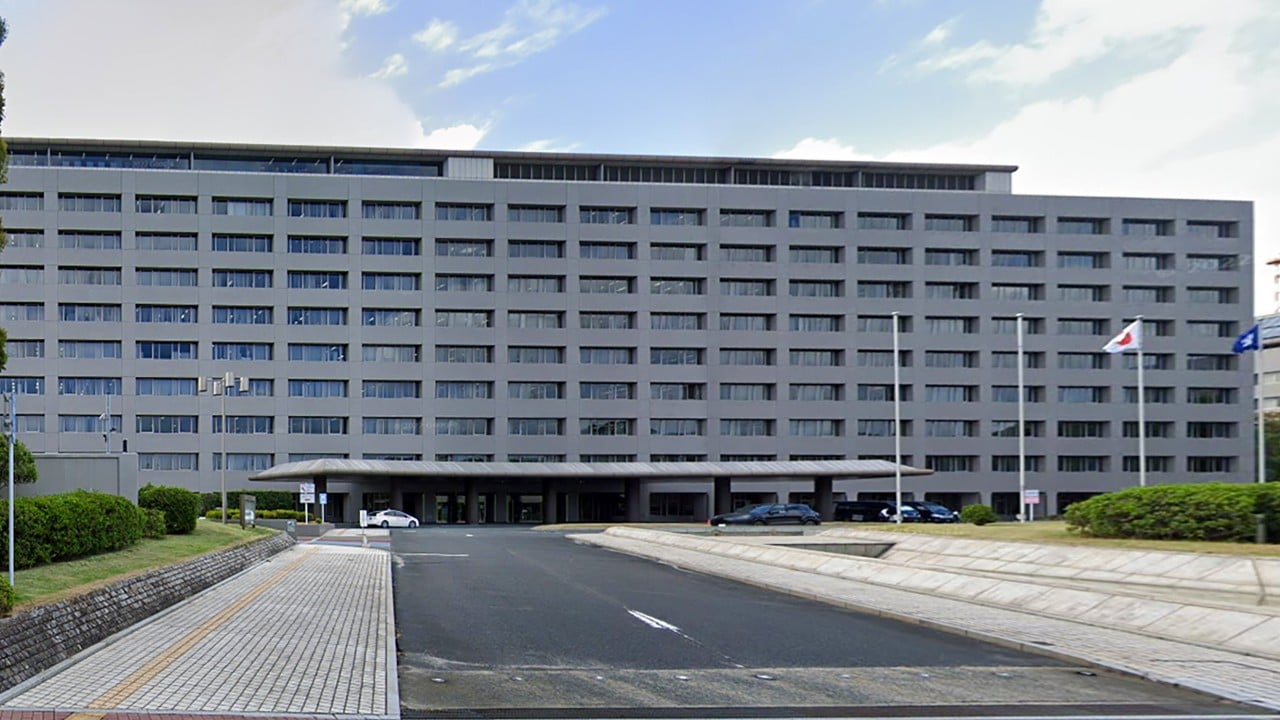
Local governments love to call these junkets "overseas research trips." It sounds professional. It sounds necessary. But to taxpayers struggling under a weak yen and rising prices, it looks like a flat-out vacation. The total bill for these excursions reached a staggering 280 million yen. When normal citizens are cutting back on basic groceries, seeing local assembly members living it up in Hawaii is a tough pill to swallow.
The backlash has become so intense that it's forcing a massive reckoning in local Japanese politics. People want answers, and they want them now.
The Ridiculous Math Behind the Fukuoka Junkets
Let's look at the numbers because they're wild. The Fukuoka Prefectural Assembly spent 280 million yen on these international trips. For the headline-grabbing Hawaii inspection, the cost broke down to roughly 3 million yen per assembly member.
Think about your own travel budget. When you book a business trip, you look for efficiency. You find a clean, mid-range business hotel near the train station or the conference center. You don't book a beachfront resort. Yet, these officials stayed at high-end accommodations like the Sheraton Waikiki, justifying it by claiming they booked "normal rooms."
Why do politicians need a beach view to study public policy? They don't.
To make matters worse, the assembly didn't even bother to gather competing bids from different travel agencies. They just handed the lucrative contract to a specific group. That lack of transparency is exactly why people are suspecting foul play. It looks less like official governance and more like a taxpayer-funded holiday package for local politicians.
The Defensive Wall of Political Justification
You might think the officials caught in this mess would apologize. Think again. The political response has been a masterclass in tone-deaf defiance.
The Chairman of the Prefectural Assembly publicly doubled down on the legitimacy of the trips. He stated directly that his intention to continue overseas inspections hasn't changed at all. The justification? They claim these trips are part of mandated regulations and friendship agreements with sister cities.
Fukuoka Governor Seitaro Hattori has also tried to dodge independent scrutiny. When residents demanded a third-party committee to investigate the spending, the governor rejected the idea. His excuse was that the trips had already gone through standard internal audits and received a "certain level of evaluation."
Internal audits in local government are often just rubber-stamping exercises. Relying on them to calm public anger is a massive mistake. It shows how disconnected these leaders are from the actual mood on the street.
Damage Control and the 10 Year Rule
The pressure finally got too hot to handle. Facing relentless criticism from opposition parties and local media, the government had to offer some concessions.
Governor Hattori recently announced a new set of guidelines for future overseas travel. Moving forward, delegations led by the governor or vice-governor will face stricter rules. For example, trips to attend sister-city anniversary events will now be restricted to 10-year increments only.
More importantly, the governor stated that, as a general rule, the administration will no longer request assembly members to join these trips. He admitted that past inspections were often conducted simply out of custom.
The assembly also started dumping reports online to prove they actually did work. They published details of trips to the United States, Thailand, Egypt, and China. These reports are filled with itineraries and photos of official meetings. Conspicuously missing from these public uploads are the actual cost breakdowns. They want you to see them shaking hands, but they don't want you to see the receipts.
A Broader Culture of Political Entitlement
This isn't an isolated incident. The overseas trip scandal is unfolding alongside another massive political mess in Fukuoka.
The assembly is currently rocked by a cash-for-votes scandal regarding the selection of the assembly speaker. Former Speaker Motoaki Yoshimatsu claimed he paid out over 18 million yen to secure his position. At the same time, local officials are being investigated for using membership fees from prefectural organizations to buy tickets for political fundraising parties.
When you connect the dots, a clear picture emerges. It’s a culture where public funds and political influence are treated as perks of the job.
While the Fukuoka government tries to paint the Hawaii trips as vital diplomatic missions, the public sees right through it. Japan is currently experiencing an unprecedented inbound tourism boom, fueled by the weak yen. Local residents are watching foreign tourists flood their cities while their own purchasing power shrinks. Forcing those same residents to foot a 280 million yen bill for politicians to fly business class to Hawaii isn't just bad optics—it's political malpractice.
What Needs to Happen Next
If local governments in Japan want to regain trust, the fixes are obvious. The current system of self-policing is broken.
- Mandatory Itemized Disclosures: Publishing an itinerary with a few photos isn't enough. Every single receipt, from flight upgrades to dinner bills, must be posted on a public portal.
- Independent Travel Audits: Government agencies shouldn't audit themselves. An external, non-partisan board needs to approve any international travel budget before a single flight is booked.
- Enforce Commercial Standards: If a local business owner wouldn't approve a 3 million yen week-long trip for a single employee, the taxpayer shouldn't approve it for a politician.
The era of the unquestioned political junket needs to end. If an inspection trip is truly essential for the prefecture, the data should easily prove its worth. If it can't, the politicians should pay for their own beach vacations.