Geopolitics isn't about playing nice. It's about positioning yourself so perfectly that your rival thinks twice before making a move. That's exactly what's happening right now in the eastern stretches of the Indian Ocean. While most analysts focus heavily on the Himalayan borders, the real checkmate style moves are playing out in the deep blue waters just off the coast of Sumatra.
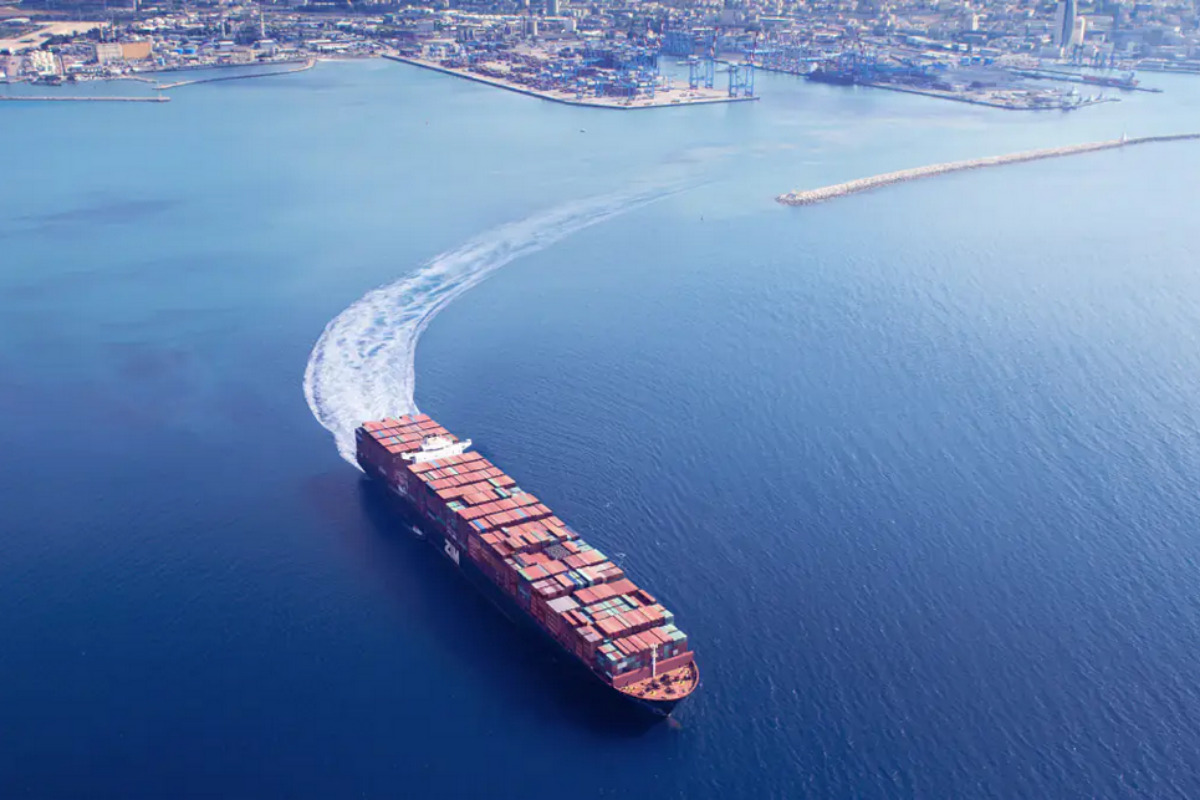
India and Indonesia just took their relationship to a whole new level. Prime Minister Narendra Modi and Indonesian President Prabowo Subianto sealed a major strategic deal to jointly develop the Sabang Port. If you look at a map, this isn't just another infrastructure project. It's a direct chokehold on the world's busiest maritime corridor, and it's sending clear shockwaves all the way to Beijing.
The Island That Anchors a Maritime Fortress
Let's talk geography because that's where the real story lies. Sabang sits on Sabang Island, right at the northern tip of Sumatra. It overlooks the entrance to the Strait of Malacca. Why does this matter? Because around 22% of global trade and nearly 29% of seaborne oil pass through this incredibly narrow bottleneck.
For China, this strait is a massive vulnerability. They call it their Malacca Dilemma. If a conflict breaks out, anyone who controls the entrance to the strait can effectively cut off China's energy supply lines from the Middle East. Until recently, India's closest major base was in the Andaman and Nicobar Islands. By stepping into Sabang, India is now positioned right at the mouth of the tent, just 100 nautical miles away from India's southernmost point at Indira Point.
What the Sabang Partnership Actually Looks Like
This isn't a vague diplomatic promise. The joint agreement outlines specific, concrete operations:
- Maritime Industrial Parks: Focused heavily on ship repair and shipbuilding facilities.
- Deep Sea Infrastructure: Upgrading the port to handle heavy commercial and potentially naval logistics.
- Offshore Energy Support: Building shore-based infrastructure to support energy exploration in the Andaman Sea.
- Tourism Links: Developing cruise and marine tourism facilities to connect Sumatra with India's Andaman islands.
The Twin Engine Strategy with Great Nicobar
You can't look at Sabang in isolation. It works in tandem with India's massive domestic project: the Great Nicobar Island transshipment hub.
[Andaman & Nicobar Islands] <--- 100 Nautical Miles ---> [Sabang Port, Indonesia]
          |                                                       |
   (Great Nicobar Hub)                                   (Malacca Strait Choke)
Think of these two ports as a pair of strategic scissors. Great Nicobar handles the massive cargo re-routing on the Indian side, while Sabang gives India a direct, friendly footprint on the Indonesian side. By anchoring itself on both sides of the maritime channel, New Delhi ensures that its surveillance, logistics, and naval reach can monitor every single ship entering or exiting the Pacific.
Beyond the Port: Missiles and Critical Minerals
If Beijing thought this was just about concrete and docks, the rest of the bilateral agreements proved them wrong. This wasn't just a harbor deal; it was a comprehensive security alignment.
Indonesia didn't just agree to the port development. They signed massive defense contracts to buy India's indigenous Astra beyond-visual-range air-to-air missiles and expanded their existing orders for the supersonic BrahMos cruise missiles. When a country buys your high-end missile systems and lets you build their deep-sea ports, you aren't just trading partners anymore. You're building a military ecosystem.
Add to that India's new heavy investments in Indonesian nickel, steel, and rare-earth permanent magnet manufacturing. It's a calculated move to cut China completely out of the critical mineral supply chain for electric vehicles and defense tech.
Why Vague Diplomatic Subtlety Fails
For years, Indian foreign policy was criticized for being too cautious. There was a fear of provoking China. Those days are gone. This move shows a willingness to step directly into areas China considers its economic backyard.
China's own strategy has relied on stringing together ports across the Indian Ocean, from Gwadar in Pakistan to Hambantota in Sri Lanka. By securing Sabang, India is showing it can play the exact same game, but with a crucial advantage: Indonesia is a willing, democratic partner, not a debt-trapped nation.
Real World Next Steps
The diplomatic handshakes are over, and the clock is ticking. Watch these specific markers to see how this project unfolds:
- The 3rd Joint Task Force Meeting: Scheduled for the second half of 2026, this meeting will finalize the exact financing models and timelines for the Andaman-Aceh connectivity project.
- Liaison Officer Placement: Indonesia is placing a military liaison officer at India's Information Fusion Centre-Indian Ocean Region (IFC-IOR) in Gurugram, which means real-time maritime intelligence sharing is starting immediately.
- Coast Guard Patrols: Look for the commencement of joint coordinated patrols between the Indian and Indonesian coast guards around the Sabang-Indira Point corridor.