The fragile peace in the Middle East just went up in flames. If you thought the June 17 truce agreement between the United States and Iran would hold, think again. The Strait of Hormuz is currently a shooting gallery, and the global energy supply is hanging by a thread.
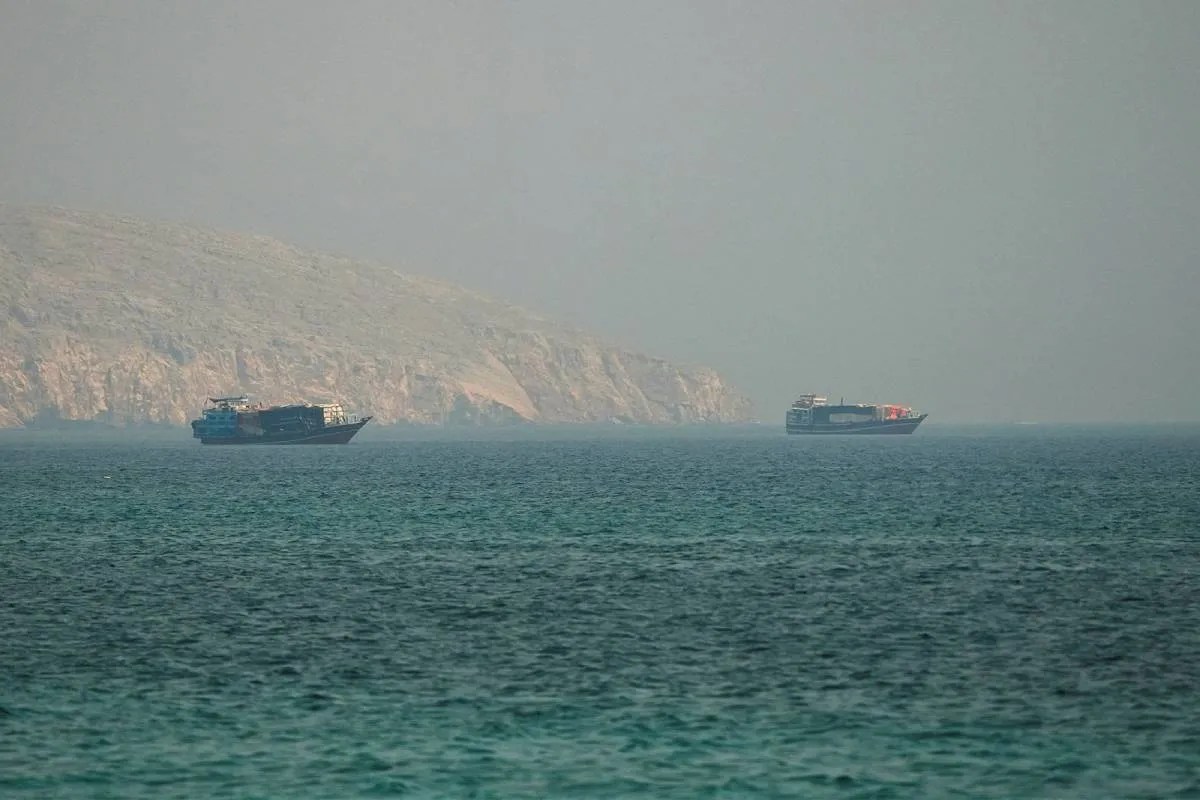
Iran's Islamic Revolutionary Guard Corps (IRGC) just announced it hit a second commercial vessel in the narrow waterway, ignoring a heavy barrage of American retaliatory strikes. This came right after they crippled the GFS Galaxy, a Cyprus-flagged container ship, forcing its crew to abandon ship in absolute chaos. Tehran claims these ships ignored warnings and traveled on unauthorized routes. Washington calls it outright lawlessness.
The fallout is hitting America and Iran hard, but neighbors like Saudi Arabia and Pakistan are watching in utter disbelief. They didn't expect the escalation to move this fast.
The Illusion of the Sixty Day Truce
Just weeks ago, diplomats were celebrating a 14-point memorandum of understanding. It was supposed to buy 60 days of breathing room. The deal required Iran to guarantee safe passage for commercial ships in exchange for an easing of harsh US and UN sanctions.
It didn't last.
The deal started unraveling when Iran accused the US of continued interference and insisted on dictating exactly which lanes commercial tankers could use. The US urged mariners to take a southern route through Oman's territorial waters to avoid Iranian forces. Tehran viewed this as a direct challenge to its authority over the strait.
When the GFS Galaxy took that southern route, the IRGC fired what it called a "warning shot". That warning shot tore into the ship's engine room, sparking a massive fire. Ten Indian nationals were rescued, but one remains missing at sea. Hours later, state media proudly declared that a second ship had been hit and brought to a halt.
Washington Chooses Maximum Force
The American response was swift and brutal. US Central Command (CENTCOM) launched a massive wave of airstrikes, hitting 140 military targets inside Iran. They blew up missile sites, drone launchpads, naval facilities, and coastal radar stations.
President Donald Trump rejected Iran's claims that the strait is closed. On national television, he stated plainly that US forces are keeping the waterway open by sheer force.
"We bombed the hell out of them," Trump said.
Despite the American fireworks, Iran refuses to back down. The IRGC retaliated almost instantly by launching a barrage of drones and missiles at regional targets. For the first time in months, sirens wailed in Bahrain, Kuwait, and the United Arab Emirates. Even Qatar, which had been trying to mediate the peace talks, saw falling shrapnel injure civilians, including a young child.
Why Saudi Arabia and Pakistan are Terrified
This isn't just an American or Iranian problem. The shockwaves are rattling Riyadh and Islamabad for very different, yet equally dangerous, reasons.
Saudi Arabia relies entirely on safe passage through the Strait of Hormuz to export its crude oil. When the waterway shuts down, the Saudi economy takes a direct hit. Earlier in the week, Saudi and Qatari commercial tankers came under fire, prompting Washington to revoke an active sanctions license that allowed the sale of Iranian oil. Riyadh knows that a full-scale naval war right off its coast could sabotage its long-term economic transformation plans. They're stuck between wanting the US to crush the Iranian threat and fearing the collateral damage to their own infrastructure.
Pakistan faces an entirely different nightmare. Islamabad is dealing with its own severe economic instability. It cannot afford a massive spike in global energy prices. Tuesday's initial attacks pushed crude oil futures up by 5%. If the strait stays closed indefinitely, energy costs will skyrocket, and Pakistan's fragile economy could collapse under the weight of hyperinflation.
Geopolitically, Pakistan shares a long, volatile border with Iran. Islamabad has spent years trying to maintain a delicate balance between its close alliance with Saudi Arabia and its complex relationship with Tehran. A raging war next door means potential refugee crises, cross-border insecurity, and intense pressure from Washington to pick a side.
The Failed Logic of Controlled Escalation
Military strategists love to talk about controlled escalation. They argue that both sides are simply trading punches to gain leverage at the negotiating table.
That logic is deeply flawed.
When you start hitting commercial ships and launching missiles at neighboring countries, control goes out the window. Iran's foreign minister, Abbas Araghchi, was just in Oman trying to resolve the standoff. Omani officials proposed a full reopening of all shipping lanes. Instead of accepting the deal, Iran struck another vessel.
Tehran is gambling that the world's tolerance for high oil prices will force the US to back off. They're betting that Washington doesn't have the stomach for a prolonged, multi-front conflict in the Middle East. It's a high-stakes game of chicken, and the margin for error is zero.
What Happens Next
The immediate future looks incredibly bleak. The June ceasefire is dead, and diplomatic channels are rapidly closing. Here is what to expect in the coming days.
First, global shipping firms will completely avoid the region. The International Maritime Organization has already warned operators not to expose seafarers to unnecessary danger. Hundreds of ships are already stranded, and thousands of sailors are stuck in a war zone. Insurance rates for transiting the Gulf will soar, making shipping economically unviable for many companies.
Second, expect heavier American strikes. If Iran continues to target vessels or American bases in neighboring countries, CENTCOM will likely expand its target list beyond coastal defenses to include inland military command centers and economic infrastructure.
Third, regional diplomatic pressure will intensify. Look for Saudi Arabia and the UAE to demand concrete security guarantees from Washington. They'll also put quiet, intense pressure on Pakistan and other regional players to form a united front against Tehran's maritime blockades.
Stop expecting a quick diplomatic fix. This conflict is driven by fundamental disagreements over regional dominance, nuclear ambitions, and economic survival. Neither Washington nor Tehran wants to look weak. Until one side blinks, the Strait of Hormuz will remain the most dangerous stretch of water on earth.

_03.jpg)