The illusion of a calm Persian Gulf just vanished in a single morning. Early Sunday, residents across the United Arab Emirates woke up to blaring mobile emergency alerts warning of incoming missile and drone attacks. Almost simultaneously, explosions rattled neighboring Qatar, and air raid sirens pierced the air in Bahrain.
If you thought the interim diplomatic deal signed back in June was going to hold, you were wrong. The conflict has officially spilled over, dragging stable Gulf Arab states directly into the crossfire between Washington and Tehran.
This isn't just another minor border skirmish. It's a major regional escalation triggered by a high-stakes battle over the world's most critical economic choke point.
The Strait of Hormuz Breaking Point
The latest chaos kicked off when the Islamic Revolutionary Guard Corps (IRGC) targeted a Cyprus-flagged container vessel, the M/V GFS Galaxy, transiting the Strait of Hormuz. Iran claimed the ship ignored its routing commands and fired what it called a "warning shot." The reality on the water was much messier. The vessel sustained heavy engine-room damage, a fire broke out, and a civilian crew member went missing.
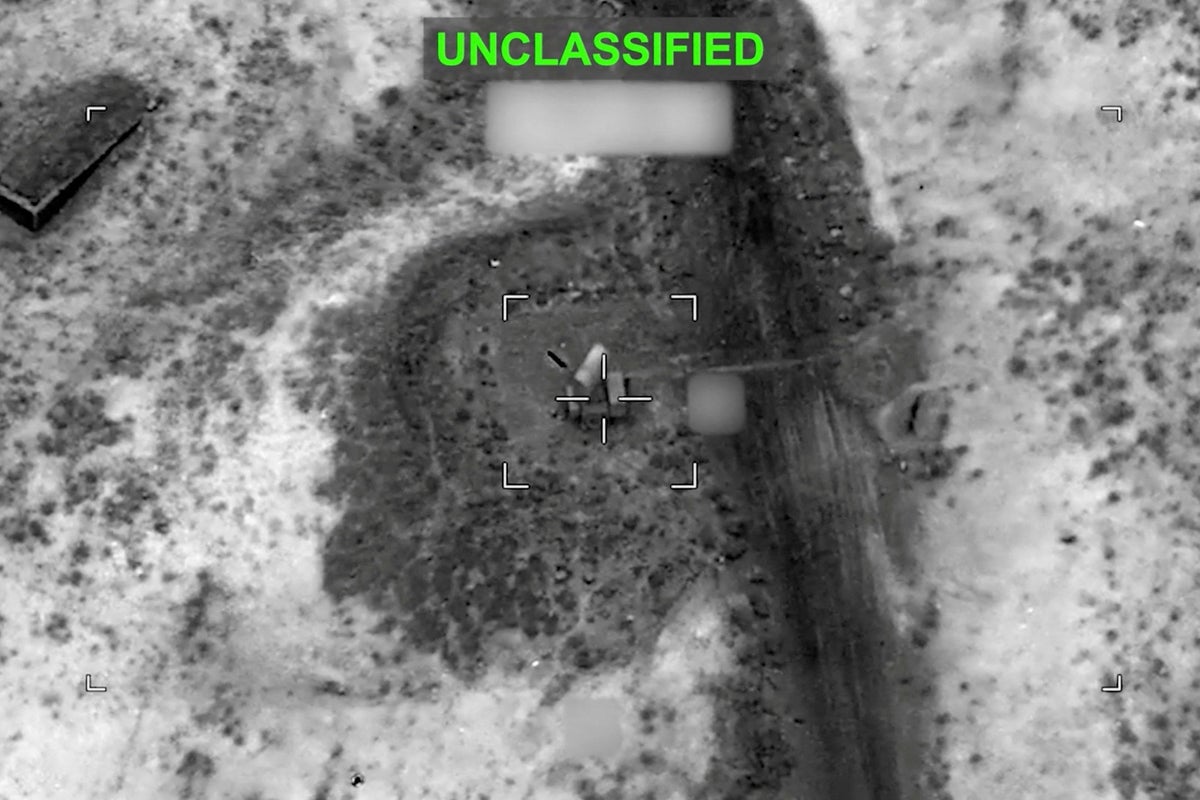
Washington didn't wait around. U.S. Central Command launched a massive retaliatory wave, hitting roughly 140 targets inside Iran. This wasn't a precision tap. It was a sledgehammer response striking drone launch pads, ammo dumps, and radar hubs.
"Iran made a poor choice. Now they pay." — U.S. Defense Secretary Pete Hegseth
📖 Related: 2024 ap calc bc frq answers
Tehran's response was swift and predictable. Instead of trading punches solely with the U.S. military, Iran launched retaliatory salvos at regional neighbors hosting American forces, including Qatar, Bahrain, Kuwait, Oman, and Jordan.
How the Gulf States Responded
The panic on Sunday morning felt all too real for millions of expatriates and citizens living in the Gulf. For the UAE, it was the first genuine, non-accidental nationwide emergency alert sent out since early May.
- United Arab Emirates: The Ministry of Defence quickly activated its air defense layers. While the government later clarified that the primary missile threats technically stayed outside UAE territorial borders, the thunderous sounds of mid-air interceptions could be heard across several emirates. Authorities have warned locals not to touch or photograph any fallen shrapnel and to report debris via the 999 emergency line.
- Qatar: Loud explosions shook neighborhoods as Qatari defense systems intercepted incoming fire. Shrapnel from these mid-air destructions injured three people, including a child.
- Oman and Bahrain: Air raid sirens sounded across Bahrain, home to the U.S. Navy's Fifth Fleet. Meanwhile, in Oman, Iranian drones actually struck land targets near the strait, prompting the typically neutral Sultanate to break diplomatic decorum and formally summon the Iranian ambassador in protest.
Why the June 17 Interim Deal Failed
The timing of this blowup is terrible. The region was supposed to be halfway through a 60-day cool-down period established by an interim deal reached on June 17. The goal was to negotiate a permanent end to the war that began earlier this year.
That process is basically dead now. Iran wants total control over traffic passing through the Strait of Hormuz, even suggesting it has the right to tax international vessels. The U.S. and its allies see that as an absolute non-starter. With a fifth of the world's oil and natural gas flowing through that narrow waterway, the economic stakes are too high for a compromise.
Donald Trump already signaled that the truce is history, telling media outlets that the U.S. "bombed the hell out of them." Iranian parliament speaker Mohammad Bagher Qalibaf fired right back online, writing that the era of one-sided deals is officially over and that "reality is knocking."
What to Do Next if You Are in the Region
The situation remains fluid, but you shouldn't panic. You just need to be smart and prepared. If you are living or working in the Gulf states right now, take these steps immediately.
Keep Your Emergency Notifications On
Don't silence your phone at night. The UAE's National Emergency Crisis and Disaster Management Authority (NCEMA) uses localized cell broadcasts to push real-time threat levels. Make sure emergency alerts are enabled in your phone's notification settings.
Rely Only on Verified Government Channels
During a missile defense event, WhatsApp groups fill up with fake videos, old footage, and misinformation. Follow official accounts like the UAE Ministry of Defence or Qatar's Ministry of Interior for actual truth. Spreading unverified rumors or panic can get you into legal trouble under local cybercrime laws.
Know Your Safe Zones
If sirens sound or you get an incoming alert, move away from windows, glass facades, and exterior walls. Seek shelter in interior rooms, basements, or reinforced concrete structures. If you spot physical debris on the ground after an attack, do not approach it for a photo. Call emergency services immediately.