When a federal regulator retracts a positive parasite finding in a widespread food outbreak, you expect everyone to take a collective deep breath.
That wasn't what happened when the FDA announced a lab sample testing positive for Cyclospora on Taylor Farms iceberg lettuce was actually a false positive.
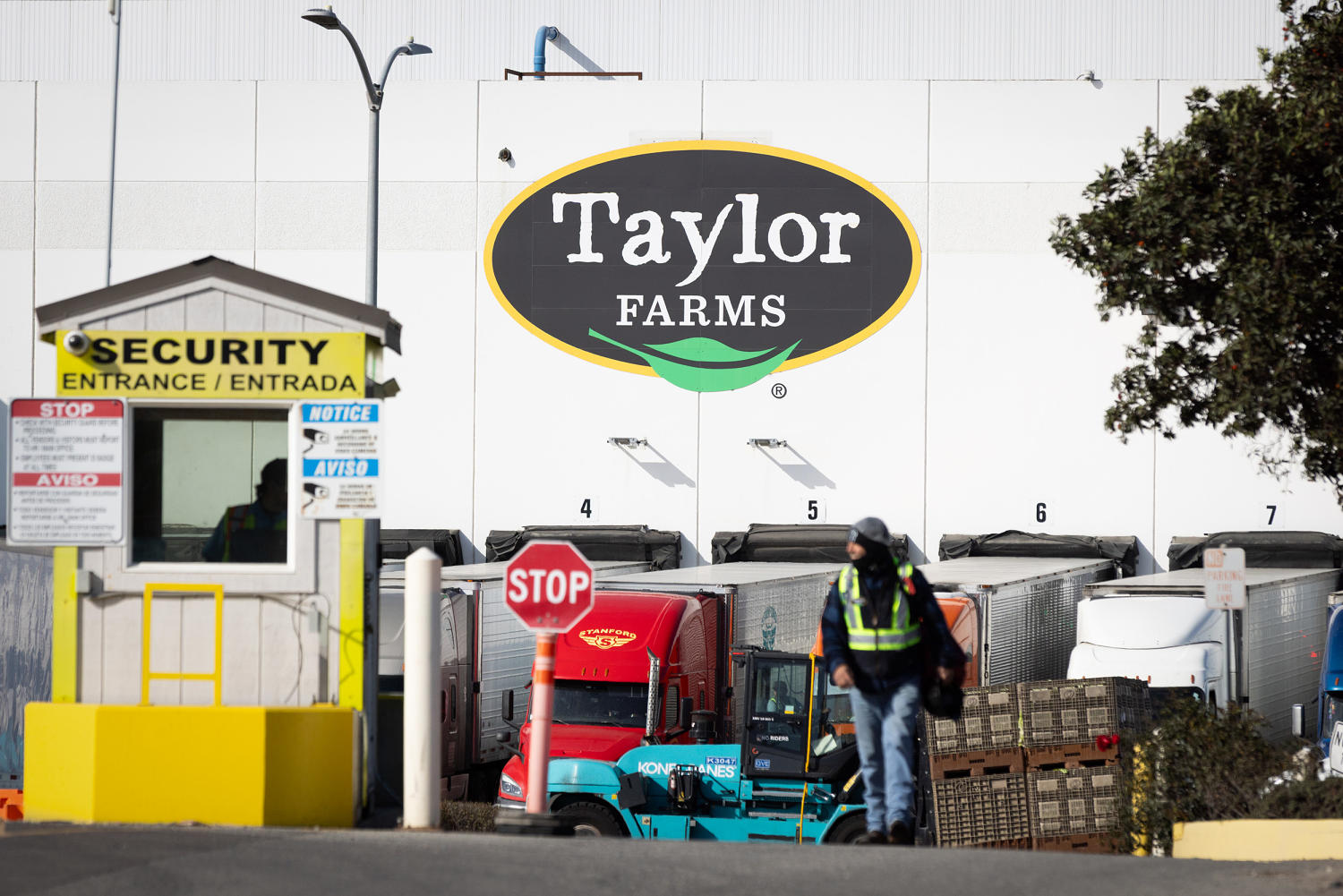
Instead of backing off, health officials doubled down. Acting Deputy Commissioner Donald Prater made it clear that despite the lab mix-up, epidemiologists are still pointing their fingers directly at shredded lettuce from Taylor Farms.
Meanwhile, Taylor Farms posted on social media claiming the agency apologized for the error. The FDA flatly denied apologizing.
It's a messy public dispute between a major food supplier and top federal health officials. But behind the finger-pointing lies a far more worrying issue. Our food safety tracking systems are strained, parasitic testing remains notoriously difficult, and consumers are left stuck in the middle trying to figure out what's safe to eat.
The Retraction That Solved Nothing
Here is how the chaos unfolded over a single weekend.
Federal investigators were tracking a nationwide Cyclospora outbreak that has sickened over 1,600 people and sent more than 140 to the hospital. Cases popped up across multiple state clusters, including initial links to lettuce served at regional Taco Bell locations.
On Saturday, federal inspectors flagged a sample of shredded iceberg lettuce collected at the southern border from Taylor Farms de Mexico. The test showed the presence of Cyclospora cayetanensis, a microscopic parasite known for causing weeks of severe, watery diarrhea and gastrointestinal misery.
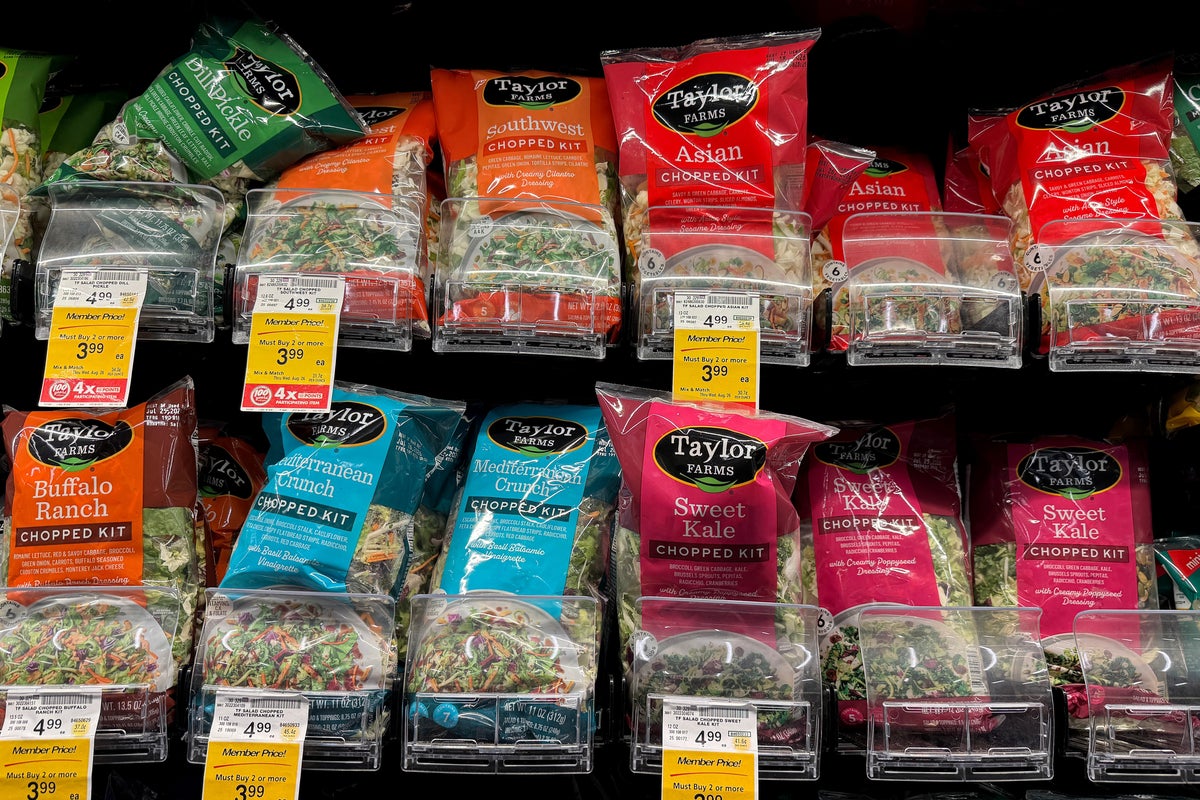
Taylor Farms immediately launched a voluntary recall covering 25 shredded lettuce and salad mix products shipped under eight brand codes, affecting fast-food chains and major retailers like Walmart.
By Sunday, secondary laboratory review revealed a major flaw. The initial test reading wasn't a true positive sample. It was an artificial laboratory artifact from PCR testing—a false positive.
When the FDA notified Taylor Farms of the correction, the company announced the mistake publicly, stating the agency had apologized. On Monday, the FDA fired back. The agency stated it made no such apology and issued a public clarification on social media.
Agency officials insisted that the false positive doesn't change the underlying reality. Traceback data and patient interview patterns still converge on shredded iceberg lettuce originating from Taylor Farms' processing operations in central Mexico.
Why Cyclospora Tests Fail So Easily
To understand how a top government lab flags a false positive during a major outbreak, you have to understand what makes Cyclospora a nightmare for microbiologists.
Bacteria like E. coli or Salmonella can be grown in petri dishes. Lab technicians swab a food sample, put it in a nutrient broth, and wait for the bacteria to multiply into visible colonies. That makes confirmation straightforward.
Parasites don't work like that.
Cyclospora cannot be cultured in a laboratory. To find it, technicians have to extract genetic material directly from wash water or produce surfaces and run polymerase chain reaction tests to amplify tiny fragments of parasite DNA.
Because genetic amplification is so sensitive, minor technical blunders or non-specific genetic binding can trigger what looks like a positive signal. That's why secondary quality checks are necessary before a test result is considered ironclad.
In this case, the FDA published its initial warning before completing the full secondary review. The agency defended the rush, arguing that during an active outbreak with hundreds falling sick, delaying public warnings to wait on multi-day confirmatory checks puts consumers at immediate risk.
That creates a high-stakes trade-off. Publish quickly to protect public health, and you risk destroying a brand's reputation with a faulty test. Wait for absolute certainty, and more people wind up in emergency rooms.
Blind Spots in Federal Surveillance
This laboratory error didn't happen in a vacuum. It hit right as public health experts raised red flags about shrinking federal oversight.
Last year, the Centers for Disease Control and Prevention quietly removed Cyclospora from FoodNet, its primary foodborne illness active surveillance network. Officials claimed the change was meant to focus resources on core bacterial pathogens.
Former federal lab leaders have pointed out that losing dedicated monitoring staff slows down outbreak detection dramatically. When specialist positions go unfilled or programs get scaled back, federal teams lose the hands-on capacity needed to trace complex supply chains fast.
State health departments are struggling with their own backlogs. States often tally both probable and confirmed cases, while federal agencies only record confirmed lab results. This disparity creates public confusion about how widespread an outbreak actually is.
Cyclospora infections peak during warm summer months. Contamination usually happens when agricultural water becomes polluted with human fecal matter, often through run-off or improper sanitation practices in fields. As summer heatwaves grow longer and global produce supply chains become more interconnected, these parasitic outbreaks are becoming larger and harder to contain.
What Consumers Need to Do Right Now
Despite the confusion surrounding the false positive test, the official health advisory stands. Do not assume shredded iceberg lettuce from the recalled batches is safe just because one lab sample was thrown out.
If you have recalled product in your fridge or operate a commercial kitchen using supply lines tied to the recall, follow these steps immediately:
- Check your labels carefully for recalled Taylor Farms de Mexico shredded iceberg lettuce products distributed under Market Side or commercial foodservice codes.
- Throw recalled items directly into sealed trash bags. Do not feed them to animals or compost them.
- Wash down any refrigerator shelves, drawers, or cutting boards that came into contact with recalled produce using warm, soapy water followed by a diluted bleach solution.
- Remember that standard washing with plain water won't reliably remove Cyclospora parasites once they cling to leaf surfaces.
If you've eaten pre-packaged shredded lettuce recently and experience persistent watery diarrhea, severe cramping, bloating, nausea, or unexpected weight loss, see a doctor. Diagnosing Cyclospora requires specific stool tests that aren't part of standard bacterial routine panels, and treating it requires targeted antibiotic therapy rather than typical over-the-counter anti-diarrheal meds.
The public feud between regulators and corporate suppliers might make for dramatic news, but the underlying lesson is simple. Public health agencies are operating on thin margins, diagnostic tech for parasites has real limitations, and when an outbreak strikes, you have to rely on clear-headed caution over corporate spin.