British democracy has a massive backdoor problem, and ministers are finally moving to slam it shut.
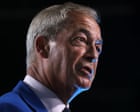
The government is launching a heavy-handed crackdown on large political donations. The timing isn't a coincidence. It comes exactly as Reform UK leader Nigel Farage faces intense heat and calls for a second parliamentary investigation into secret perks provided by a convicted fraudster before Farage entered Parliament.
For years, wealthy benefactors have exploited gaps in the law to dump millions into UK politics. Now, the Treasury and Cabinet Office are introducing strict new limits to choke off foreign influence and shell-company shell games. The changes aim to hit loophole-abusers right where it hurts.
If you want to understand why British political financing is about to change forever, you have to look at the explosive row surrounding Farage's offshore connections.
The Loophole Hunter Caught in the Spotlight
The immediate trigger for the government's sudden urgency is a wave of revelations involving Farage and a colorful, luxury-loving crypto entrepreneur named George Cottrell.
Cottrell, an aristocratic volunteer-turned-aide nicknamed "Posh George," isn't your average political donor. In 2016, US federal agents arrested him. He spent time in an Arizona prison after pleading guilty to wire fraud in connection with a dark-web money laundering sting. Today, he operates in the murky waters of offshore crypto gambling and is reportedly lobbying Donald Trump for a presidential pardon.
A bombshell Sunday Times investigation revealed that Cottrell financed a massive chunk of Farage’s lifestyle and political operation in the run-up to the 2024 general election. The gifts weren't small change. We are talking about private security teams, dedicated drivers, a five-story Georgian townhouse near Buckingham Palace, and the salaries of three separate staff members hired explicitly to run Farage’s social media channels.
When Farage entered Parliament as the MP for Clacton, he declared a few isolated gifts from Cottrell. He registered a £9,253 trip to Belgium and a £15,276 US domestic flight. But the massive, ongoing support—the housing, the security, the staff—was completely left off the books.
Reform UK's leadership scrambled to defend the boss. Treasury spokesperson Robert Jenrick went on national television to claim nothing untoward happened. He argued that because Farage received these perks before becoming an MP, and because Cottrell is a "personal friend," the gifts were purely personal and exempt from transparency rules. Jenrick even claimed the social media staff were just helping Farage create content after his stint on I’m a Celebrity... Get Me Out of Here!, insisting it had nothing to do with politics.
That excuse crumbled almost immediately. Investigators discovered that Cottrell had been handing out business cards printed with official Reform party branding and featuring Farage’s direct email address. The Liberal Democrats have already written to the Parliamentary Standards Commissioner, Daniel Greenberg, demanding a formal inquiry. Greenberg is already busy investigating Farage over a completely separate, undisclosed £5 million donation from crypto billionaire Christopher Harborne.
How the New Rules Choke Off Dark Money
Ministers aren't waiting for the standards commissioner to finish his paperwork. The government's new package explicitly targets the exact methods wealthy figures use to bypass British electoral laws.
Here is how the system is changing.
First, the government is introducing a £100,000 donation cap that applies to anyone moving to the UK from abroad. Under the old rules, wealthy expats or foreign citizens could return to the UK, immediately register to vote, and start cuttting massive checks to political parties. Now, they face a strict one-year waiting period before they can move big money. This is a direct strike against multi-millionaires who use temporary residency as a loophole to buy political leverage.
Second, the rules around corporate donations are getting a massive upgrade. Previously, a donor just needed to register a business entity in the UK to qualify as a legitimate source of political cash. The new framework forces authorities to check a company’s actual profits, not just its revenues. If a shell company is pulling in millions in revenue but routing all its profits offshore to tax havens like Montenegro or the Cayman Islands, it will be legally blocked from donating a single penny to a UK politician.
Finally, for the first time ever, strict disclosure requirements will apply to political candidates before they even get elected. New candidates will have to publicly declare every single donation above £2,230 received in the 12 months leading up to an election. This completely obliterates the "I wasn't an MP yet" defense that Farage and Reform UK are currently hiding behind.
The Real Price of Political Influence
This isn't just a technical argument over spreadsheets and declarations. It's about public faith in the system. When a single politician can rely on a convicted fraudster to pay for his house, his guards, and his campaign apparatus without telling the public, the democratic process breaks down.
As Labour MP Stella Creasy pointed out, these recurring scandals give voters the distinct impression that UK politicians carry a price tag. When the super-rich can buy direct access and fund shadow campaigns, ordinary voters lose their voice.
The government’s crackdown is a good start, but it's going to trigger a vicious fight in Westminster. Reform UK is already screaming that this is an "establishment hit job" designed to protect the status quo. Farage is even threatening legal action against the journalists who broke the story.
What Happens Next
The era of easy, unregulated pre-election cash is ending. If you want to see how these changes affect the political landscape, keep your eyes on two specific developments over the coming weeks.
- Watch the Parliamentary Standards Commissioner. If Daniel Greenberg opens a second formal investigation into Farage’s relationship with George Cottrell alongside the ongoing Christopher Harborne probe, the pressure on Reform UK’s leadership will become critical.
- Track the progress of the upcoming transparency legislation through Parliament. Expect intense lobbying from opposition factions who rely heavily on wealthy, non-traditional donors and offshore backers to keep their campaigns afloat.