Ten years ago tonight, F-16 fighter jets screamed over Ankara while tanks blocked Istanbul’s main bridges. The chaotic, bloody events of July 15, 2016, left 251 people dead and altered the trajectory of modern Europe and the Middle East forever. Today, Turkish President Recep Tayyip Erdogan is still using the memory of that failed Turkish coup to demand the deportation of remaining suspects scattered across the globe. If you think this is ancient history, you're missing the entire point of how modern autocracy works.
People usually search for this topic because they want to understand why Erdogan won't let it go. They wonder why a decade-old event still dominates Turkey's diplomatic relations with the West. The answer is simple. The failed Turkish coup isn't just a historical event for the current Turkish administration. It's the foundational myth and legal justification for an entirely rewritten political order. By continuing to demand deportations and hunting down alleged members of the Gulen movement—the group Ankara blames for the plot—Erdogan maintains a permanent state of political mobilization.
Understanding this hunt requires looking past the official speeches given in Ankara today. The reality is far darker, involving global intelligence networks, weaponized diplomacy, and a dramatic shift in how governments track dissidents across borders.
The Global Hunt That Never Ended
Erdogan’s speech marking the tenth anniversary focused heavily on national unity and the heroic actions of citizens who faced down tanks. But behind the soaring rhetoric lies an aggressive, global campaign of transnational repression. For ten years, Turkey’s National Intelligence Organization (MIT) has hunted suspected plotters across five continents.
This isn't just about filing standard extradition paperwork through Interpol. Ankara has routinely bypassed international legal channels entirely. Security experts track dozens of cases where Turkish agents pulled off covert renditions, essentially kidnapping citizens from countries with weak rule of law. By the start of 2026, Turkish intelligence openly acknowledged over 120 operations to forcibly return individuals accused of ties to the coup plotters.
Many targeted individuals were ordinary teachers, doctors, or business owners who sent money to Gulen-affiliated banks or worked in their schools before the government banned the group. It didn't matter. Once the state labeled the movement a terrorist group, everyone associated with it became fair game.
Weaponized Diplomacy in Action
Western nations often reject Turkey's deportation requests because Ankara's evidence rarely holds up in a European or American court. The response from the Turkish state has been to weaponize everyday consular services.
If you're a Turkish citizen living abroad and the government suspects you of opposing the regime, your passport simply disappears from the system. Turkish embassies reject passport renewals, refuse to register births, and deny marriage certificates for expats. It forces people into a state of legal limbo. They can't travel, they can't work legally, and they face immediate arrest if they return home to fix the paperwork.
The global reach goes even further. Intelligence agencies in Germany and Sweden have warned that local mosque networks funded by Ankara are being used to spy on the Turkish diaspora. Neighbors spy on neighbors. Radical nationalism is exported directly into European suburbs.
The Fracturing of the Official Story
While the Turkish government spends millions promoting its official version of the coup, cracks are appearing in the narrative. The official story is that rogue officers acted entirely on orders from Pennsylvania-based cleric Fethullah Gulen, who died in 2024. In this version, loyal commanders like the former Chief of General Staff, Hulusi Akar, were heroic hostages who resisted the plot.
Recent courtroom testimonies heard in Ankara tell a different story. High-ranking military officers on trial have stated under oath that the top military command was fully aware of the brewing unrest hours before the first tank moved. Some retired generals claim that senior leaders initially went along with the plan, changing sides only when they realized the public wouldn't back it.
These details are heavily censored inside Turkey. You won't read them in mainstream Turkish papers. But they explain why Erdogan is so intent on securing the deportation of top-tier suspects living abroad. He needs to control the narrative. If high-ranking plotters face open, transparent trials in the West, the messy truth about what really happened that night might destabilize his legacy.
What This Means for International Policy
For foreign governments, Turkey’s obsession with the 2016 coup is a constant headache. Erdogan frequently ties critical geopolitical decisions to his deportation demands. We saw this clearly during NATO expansion debates, where Turkey withheld approval for new members until European nations agreed to crack down on Turkish dissidents living within their borders.
Appeasing these demands sets a dangerous precedent. When Western democracies compromise their own legal standards to please Ankara, they weaken the international asylum system. It signals to other authoritarian regimes that transnational repression works.
Practical Steps for Observers and Policy Analysts
If you track Middle Eastern geopolitics, immigration law, or international relations, stop looking at Turkey through a pre-2016 lens. The old secular republic is gone. The executive presidency created after the coup gives Erdogan almost total control over the judiciary, the military, and the economy.
When analyzing current events, follow these guidelines:
- Distinguish between formal extradition and administrative pressure. Watch how Turkish consulates treat their citizens abroad, as this is often a better indicator of state policy than public statements.
- Look at the defense sector. Turkey’s massive push into military tech and drone production over the last decade stems directly from the post-coup desire for complete strategic independence.
- Track the courtroom reporting. Pay close attention to independent journalists who cover the remaining coup trials in Ankara, as their reports offer the only real counterweight to state propaganda.
The decade-long purge didn't just eliminate political rivals. It built an entirely new state apparatus designed to project power far beyond Turkey's borders. Expect the deportation demands to continue as long as Erdogan remains in power.
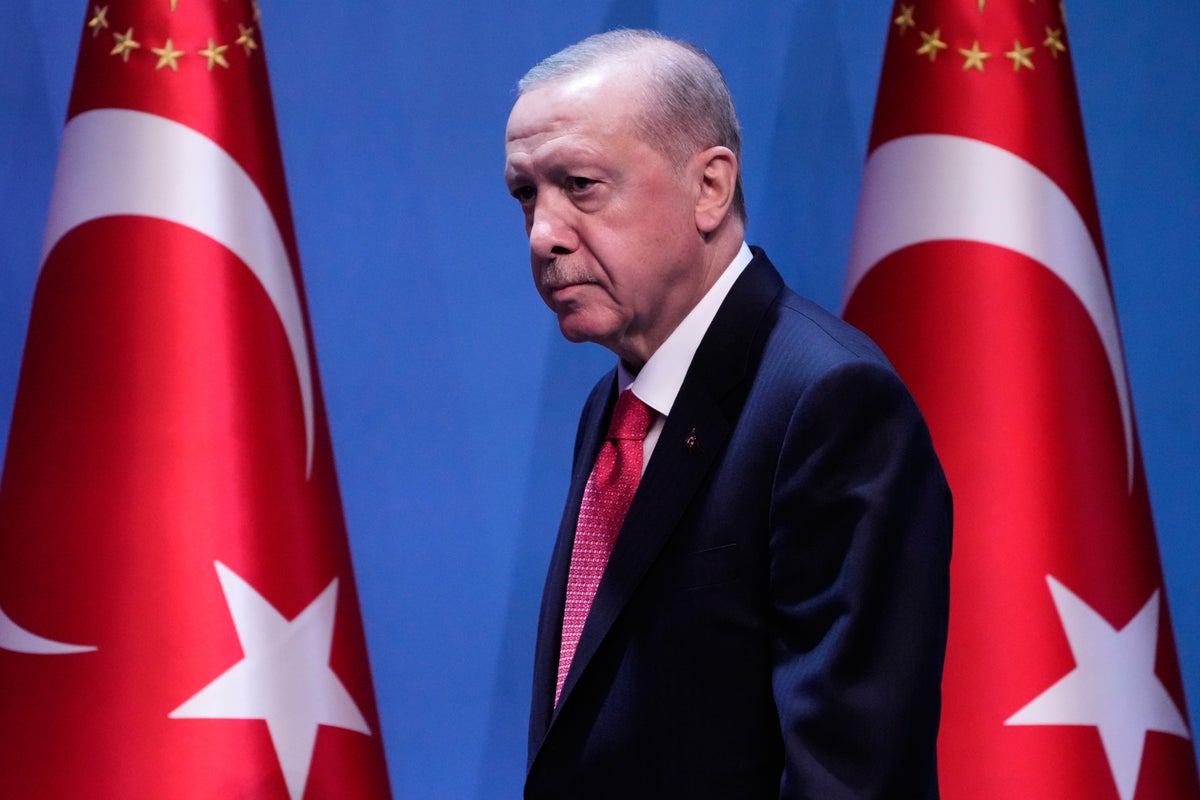
Turkish President Recep Tayyip Erdogan denounces coup attempt - This archival footage shows the exact moment President Erdogan addressed the nation via a video call on the night of the 2016 coup attempt, setting the stage for the political transformation that followed over the next ten years.