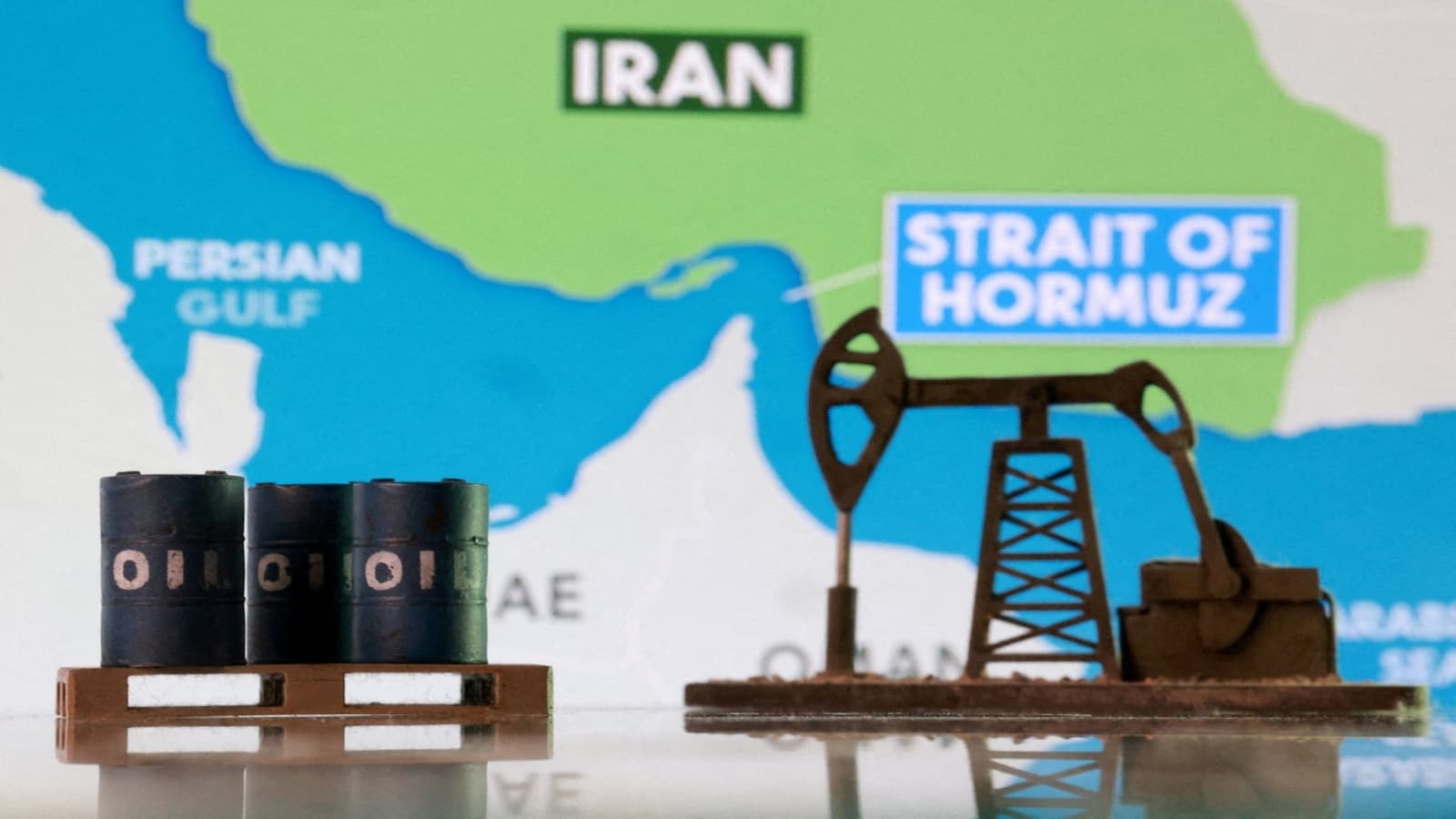
The Strait of Hormuz is officially a no-go zone for a growing number of maritime captains.
When you're commanding a vessel filled with millions of gallons of highly combustible energy resources, you don't stick around to see what happens next after missiles start flying. That's why we just saw at least four massive oil and gas tankers pull immediate U-turns right before entering the world's most critical maritime chokepoint.
This isn't a drill, and it's not a minor scheduling hiccup. This is a direct response to a drastic spike in real-world danger that's forcing the global energy supply chain to rewrite its playbook on the fly.
The Chokepoint Just Flashed Red
On Tuesday, a Qatari liquefied natural gas (LNG) carrier and a Saudi-flagged crude oil tanker sustained damage near the strait. Reports indicate that Iranian forces fired missiles directly at ships navigating the waterway. In immediate response, maritime authorities ratcheted the official threat risk level up to "severe."
What does "severe" look like in practice? It looks like ship captains looking at live data and deciding that the risk of catastrophic destruction outweighs the value of the cargo.
According to tracking data from LSEG and Kpler, three massive LNG tankers—the Al Ghariya, Duhail, and Al Ruwais—were all inching westward, preparing to transit the strait. All three belong to QatarEnergy. They were heading empty toward the Ras Laffan export hub to pick up gas. Late Tuesday, all three abruptly changed course and fled.
[Persian Gulf] <--- (Ras Laffan Export Hub)
                         |
                [Strait of Hormuz] <--- (Missile Attacks / Threat Level: SEVERE)
                         ^
                         |  -- (U-Turn: Al Ghariya, Duhail, Al Ruwais)
                         |  -- (U-Turn: Lila Vadinar with 2M barrels)
                 [Gulf of Oman]
Hours later, on Wednesday morning, the Indian-flagged Very Large Crude Carrier (VLCC) Lila Vadinar did the exact same thing. Unlike the empty Qatari ships, this monster was heavy, loaded down with 2 million barrels of Kuwaiti crude. It made a hard U-turn right off the tip of Oman, choosing the safety of open water over the treacherous bottleneck ahead.
Why Going Dark Isn't Working Anymore
For months, ship operators have tried playing hide-and-seek. Since this conflict flared up in late February, hundreds of commercial vessels have resorted to tactical maneuvers to slip through the strait.
The favorite tactic? Going dark.
Tankers regularly turn off their Automatic Identification System (AIS) transponders. Right now, Vortexa analysts note that more than 50 ballast vessels controlled by QatarEnergy and ADNOC are sitting idle around the Middle East Gulf, India, and the Malacca Strait. Many have kept their transponders dead for over 10 days. They hide in the noise, traveling under the cover of darkness to avoid shore-launched rockets.
But hiding a 1,000-foot steel vessel carrying millions of barrels of oil is tough. Missile strikes don't care if your transponder is on or off.
Some ships still take the gamble. The VLCC Tenjun managed to slip out of the strait on Tuesday carrying Qatari crude. The Pertamina Pride did the same, sneaking past with its transponder switched completely off while hauling 2 million barrels of Saudi crude. They got lucky. The four ships that turned back realized that luck is a terrible risk-management strategy.
The Real Energy Crisis Is Traffic, Not Supply
Don't misread the situation. The issue isn't that the world has suddenly run out of oil or gas. The issue is that the plumbing of the global energy economy is clogged.
A massive bottleneck of empty ships is building up right outside the Persian Gulf. More than 10 empty "ballast" vessels are currently anchored in a queue, waiting for a safe window just to enter Ras Laffan to load up. Since February, only a fraction of the usual volume has made it out. Ras Laffan and Das Island usually pump out roughly 7 million metric tons of energy products every single month. Since the fighting started, only 16 LNG cargoes from Ras Laffan and 10 from Das Island have managed to escape.
That is a drop in the bucket. It means millions of tons of energy are sitting stranded in storage tanks while the global market watches inventories deplete at breakneck speed.
India is feeling this pain acutely. Before the conflict, about 40% of India's crude imports, 60% of its LNG, and a massive 90% of its LPG came straight through that narrow strip of water. Now, Indian refiners like Mangalore Refinery and Petrochemicals Ltd are flat-out canceling vessel charters because booking a ship to load oil from the region has become a logistical nightmare.
What Ship Operators Need To Do Next
If you're managing maritime logistics or trading energy commodities, you can't afford to wait for a diplomatic resolution. The US and Iran are locked in brutal negotiations, and the strait is the ultimate bargaining chip.
Here's how to manage the risk immediately:
- Trigger Force Majeure and Charter Cancellations: Follow the lead of major refiners. If your chartered vessel faces a "severe" threat classification, review your war-risk clauses immediately to cancel or pivot charters without incurring massive penalties.
- Budget for Escorated Freight and Premium Spikes: If you absolutely must move product, expect war-risk insurance premiums to skyrocket overnight. Factor these multi-million-dollar premiums into your spot-market pricing immediately.
- Reroute to Alternative Sourcing Hubs: The trickling supply out of Hormuz means you need to lock in alternative West African, US Gulf Coast, or North Sea barrels now, before the rest of the market panics and cannibalizes those inventories.