If you've ever found yourself white-knuckling a steering wheel while navigating a chaotic Massachusetts roundabout, you already know the truth in your bones. Some places are just brutal to drive in. But now we have the cold, hard numbers to back up that existential dread.
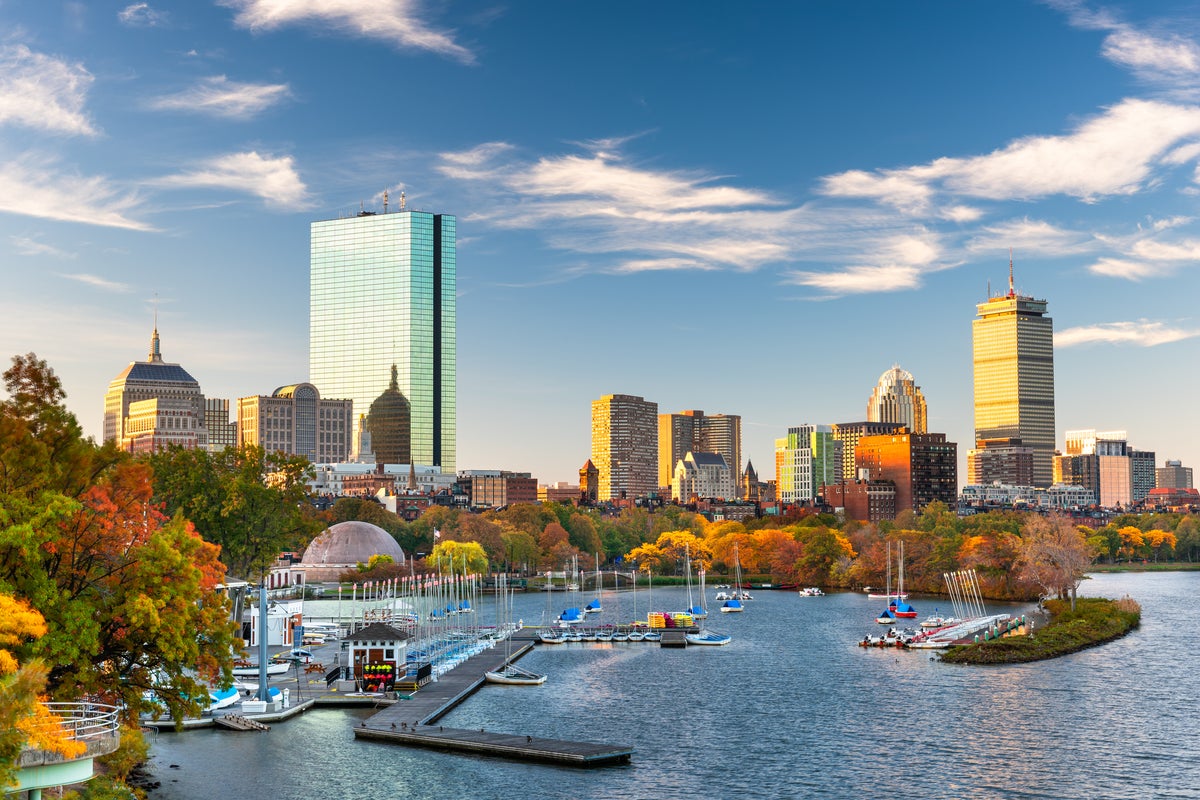
The data confirms what New Englanders have suspected for years. Boston is officially the most car-crash-prone city in the United States.
According to Allstate’s 2026 America’s Best Drivers Report, which tracks insurance claims across the 200 largest US cities, Boston sits dead last. The average driver in the US goes about 10.5 years between collisions. In Boston? That number plummets to just 3.76 years. That means local motorists are 189% more likely to get into a fender bender than the national average.
It isn't just a Boston problem, either. The entire Northeast corridor is a hotspot for crumpled bumpers.
The High Cost of the Northeast Corridor
Seven of the top ten most collision-prone cities sit firmly in the Northeast. If you're driving through Baltimore, Philadelphia, or Washington, D.C., you're sharing the asphalt with some of the most statistically risky drivers in the country.
The numbers tell an ugly story for Massachusetts in particular. Worcester and Springfield routinely land in the bottom five alongside Boston. It turns out that the aggressive, fast-paced driving style often jokingly attributed to "Massholes" has real-world, metal-on-metal consequences.
But why is the East Coast so uniquely bad?
Part of it comes down to ancient infrastructure. Unlike the wide, grid-based layouts of Midwestern and Western cities, East Coast hubs were built for horses and carts. Throw in confusing rotaries, narrow lanes, and erratic winter weather, and you have a perfect recipe for low-speed impacts.
Interestingly, there's a silver lining here. While Boston drivers swap paint constantly, it doesn't translate to America's highest traffic fatality rate. The gridlock is so severe that people rarely move fast enough to cause fatal injuries. It's a miserable consolation prize. You won't die, but you'll definitely spend your afternoon waiting for a tow truck.
Where Drivers Actually Know What They Are Doing
On the absolute opposite end of the spectrum is Brownsville, Texas. For the second consecutive year, this southern border city took the crown for the safest driving in America.
The contrast is staggering. While a Bostonian can barely make it four years without an insurance claim, drivers in Brownsville go nearly 15 years between collisions. Drivers in the safest cities are roughly four times less likely to experience a crash than those in the worst-ranked metros.
Texas actually dominates the safe-driving leaderboard, with cities like McAllen regularly joining Brownsville at the top. Colorado Springs, Colorado, also secured a spot in the top ten for safest drivers.
Safe driving isn't entirely permanent, though. Traffic patterns change, populations boom, and local habits shift. For instance, Waco, Texas, made the most massive leap forward recently, climbing 40 spots up the safety rankings. On the flip side, Detroit saw the steepest decline, plummeting 38 spots as its roads grew significantly more hazardous.
The Bad Habits We Can Actually Control
We like to blame bad roads or bad weather for our accidents. It makes us feel better. But telemetry data pulled from Allstate’s Drivewise app shows that our own awful habits are the real culprits.
The data tracks exactly what we do wrong behind the wheel, breaking down the specific vices of different regions.
Hard Braking and Speeding
If you want to see aggressive speeding, look at Bridgeport, Connecticut. It ranks highest for drivers pushing the needle past the limit, followed closely by Pittsburgh, Indianapolis, and Chicago. Meanwhile, if you hate tailgating and sudden stops, stay away from North Carolina and Arizona. Cities like Raleigh, Durham, Chandler, and Glendale lead the nation in hard-braking incidents.
Distracted Driving
Phone use while driving remains an absolute epidemic in major metropolitan areas. The worst offenders? Drivers in Miami, Chicago, Washington, D.C., and yes, Boston.
Nighttime Driving
Driving in the dark naturally increases your risk of a collision, and some cities simply don't sleep. The highest rates of nighttime driving occur in the Las Vegas Valley, New York City, and the Washington, D.C. metro area (including Northern Virginia suburbs like Alexandria and Arlington).
How to Protect Yourself and Your Wallet
Car insurance premiums are skyrocketing nationwide, and living in a high-crash zip code only compounding the misery. While you can't single-handedly fix the infrastructure of New England, you can take immediate steps to keep your vehicle out of the body shop.
- Increase your following distance. If you drive in hard-braking capitals like Raleigh or Phoenix, give yourself at least three to four seconds of space between the car ahead. It cuts down on sudden stops and saves your brake pads.
- Ditch the phone during peak hours. If you're navigating high-distraction zones like Miami or Boston, put your phone in the glove box. Most fender benders happen in stop-and-go traffic when someone looks down at a text for just two seconds.
- Audit your local routes. Look at your daily commute. If it relies heavily on notorious bottlenecks or chaotic rotaries, map alternative routes. Adding three minutes of side streets can save you from a morning-ruining collision.
- Consider a telematics program. If you actually are a good driver stuck in a bad city, using a tracker app from your insurer can secure discounts that buffer you from the regional rate hikes.
Check the historical claim rates for your specific metro area before your next insurance renewal. If you reside in the Northeast, budget for higher premiums and invest in a quality dashcam. You'll likely need the footage sooner than you think.