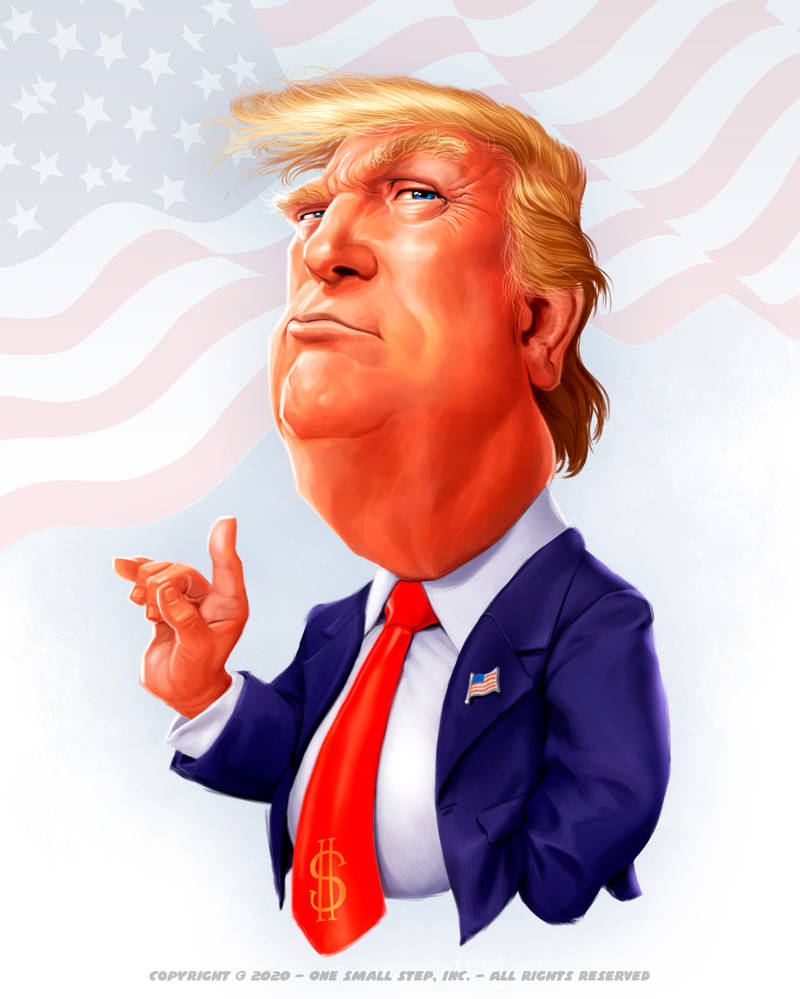
Donald Trump just turned the NATO summit in Ankara completely on its head. Standing right next to Turkish President Recep Tayyip Erdogan, Trump dropped a massive foreign policy bombshell. He announced that the United States will roll back the severe sanctions imposed on Turkey. Even wilder, he wants to "consider" handing over America's crown jewel of aviation tech: the F-35 Lightning II stealth fighter jet.
If your first reaction is massive confusion, you're not alone.
It was actually Trump's own administration that booted Turkey from the F-35 program back in 2019. The reason? Erdogan bought a fleet of advanced S-400 air defense missile systems directly from Vladimir Putin's Russia. US military officials panicked, rightfully fearing that operating a top-secret American stealth jet near a Russian tracking system would hand Moscow a blueprint on how to shoot down the F-35.
So why is Trump doing a complete 180 now?
The answer tells us everything about how Trump views alliances, loyalty, and foreign trade. "We don't want to sanction friends," Trump told a room of stunned reporters. He even claimed Turkey has been far more loyal to him than traditional European allies. But wanting to hand over the keys to the world's most advanced jet is one thing; actually getting those jets across the Atlantic is a completely different logistical and political nightmare.
The Massive Web of Restrictions Trump Has to Break
You can't just bypass a multi-year defense embargo with a verbal promise. Trump faces an immediate, aggressive wall of resistance from Capitol Hill.
When Turkey bought that Russian hardware, Washington didn't just get mad. They passed laws. Specifically, Congress locked down the restriction through the Countering America's Adversaries Through Sanctions Act (CAATSA). They followed that up with a concrete ban embedded inside the 2020 National Defense Authorization Act.
The law is remarkably simple. Turkey cannot get the F-35 unless it completely gets rid of the Russian S-400 system. No exceptions. No loopholes.
Right now, key figures in Congress are already sharpening their knives. Bipartisan groups of lawmakers, including Republican Senator John Cornyn, have voiced immediate concerns. A letter signed by a mix of ten Republican and Democratic representatives laid the issue out plainly, arguing that Erdogan's ties to adversaries make an F-35 deal a direct threat to American security interests. Trump cannot simply wave a magic wand to wipe away these congressional statutes. He needs lawmakers to play ball, and right now, they aren't interested.
The Secret Five-Jet Stash in Washington
Here is a detail most people miss. Turkey isn't just asking to buy new jets from scratch. They technically already bought some.
Before the 2019 ban, Turkey was a core tier-three partner in the F-35 program. Turkish factories manufactured hundreds of critical parts for the plane, ranging from fuselage pieces to landing gear components. Ankara had planned to purchase 100 jets total, and they had already paid roughly $1.7 billion into the development program.
Because of that early investment, six Turkish-owned F-35s had already rolled off the assembly line. When the ban hit, those planes were trapped. Today, those high-tech jets are sitting under tarps inside US military storage facilities, completely untouchable.
During the press conference, Erdogan dropped a fascinating detail that caught the White House off guard. He claimed that Trump had explicitly promised him five of those stored jets. When reporters pressed the White House to verify if Trump actually promised to hand over the keys to those specific stored aircraft, officials completely deflected. They simply pointed back to Trump's public remarks. It is a classic example of a diplomatic disconnect where the two leaders seem to be reading from entirely different scripts.
The Geopolitical Fallout From Israel to Moscow
If Trump actually manages to push this deal through, the ripple effects will scramble alliances across the Mediterranean and the Middle East.
Israel is watching this play out with absolute fury. Relations between Ankara and Jerusalem have disintegrated over the past few years, with Erdogan frequently slamming Israeli military operations. Israel relies heavily on its own fleet of customized F-35s to maintain an absolute military tech advantage in the region. Giving those exact same radar-evading capabilities to a regional rival like Turkey ruins Israel's strategic playbook.
Then there's the question of Russia. Trump's critics are already calling this move a massive, unearned gift to Vladimir Putin. If Turkey is allowed to keep its Russian-made S-400 missile radar batteries while simultaneously flying American F-35s, the Pentagon's worst nightmare comes back to life. Security experts remain deeply worried that Russian engineers servicing the S-400 systems in Turkey could find sneaky ways to gather valuable tracking data on the F-35's stealth profile. When reporters asked Trump if he worried about this specific military cross-contamination, his response was pure bravado: "I have no concerns at all about anything."
What Happens Next
This isn't going to be resolved overnight. Watch these specific chess pieces over the coming months to see if Trump's plan is real or just summit rhetoric:
- Watch the Senate Foreign Relations Committee: Keep an eye on how key committee leaders respond to Trump's upcoming formal request to lift CAATSA sanctions. If they block it, the deal dies in the water.
- Look for an S-400 Compromise: See if Turkish and American defense officials try to negotiate a middle-ground deal. This might involve Turkey agreeing to put its Russian missiles into deep, verifiable storage or exporting them to a neutral third country to satisfy the legal requirements of US law.
- Monitor the Jet Engine Talks: Pay close attention to Turkey's domestic fighter project, the KAAN. Erdogan explicitly stated he is pushing Trump for American jet engines to power his homegrown aircraft, which could serve as a backup prize if the F-35 deal gets permanently blocked by Congress.