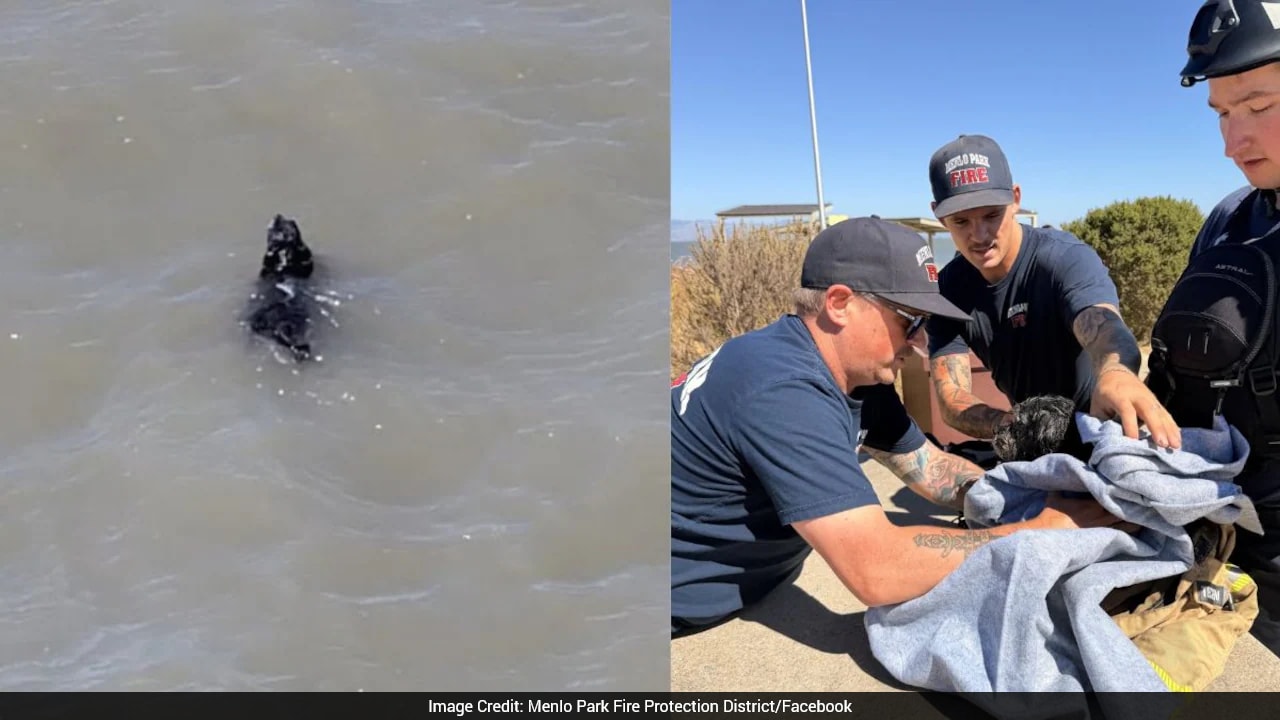
When fireworks erupted across Northern California on the Fourth of July, a frightened black dog panicked and vanished. For nearly two agonizing weeks, her owners searched with little hope. Then came a 911 call that sounded almost unbelievable: a dog had run straight into the ocean waters near East Palo Alto and just kept paddling out into the open bay.
By the time emergency responders arrived, the exhausted pet was already half a mile off shore, surrounded by open water and trailing seagulls.
What followed was a coordinated water rescue involving binoculars, drone tracking, and a fire boat. First responders pulled the shivering animal from the water, wrapped her in a firefighter's jacket, and handed her over to the local SPCA. Within hours, microchip and registration records reunited the dog with her overwhelmed family.
This dramatic rescue isn't just a heartwarming miracle story. It highlights a recurring summer crisis that pet owners constantly underestimate, the extreme physiological drive of panic-stricken animals, and what actually works when searching for a missing pet.
The July Fourth Panic Factor That Drives Dogs to Run
Every summer, animal shelters across the United States report a dramatic surge in stray animals right after Independence Day. Fireworks create a disorienting mix of sudden explosions, flashing lights, and heavy sulfur scents that shatter a dog's sense of direction.
When a dog enters a full fight-or-flight state, normal instincts turn off. They don't look for familiar landmarks or listen for their owner's voice. They run in a straight line until their body simply gives out.
In this case, the dog spent nearly twelve days surviving on the streets before reaching the shoreline at East Palo Alto. Why did she jump into the water? Dogs in deep panic often view bodies of water as barriers to escape pursuit or noise, or they misjudge the distance when trying to reach the opposite shore. Once a dog enters a strong current like the San Francisco Bay, swimming turns into a fight for survival rather than a conscious choice to head toward land.
How First Responders Located a Swimming Dog Half a Mile Offshore
Rescuing an animal in open tidal water is exceptionally difficult. The San Francisco Bay features harsh chop, cold water temperatures, and strong tidal currents that quickly drift swimming targets off course.
When bystander reports came in on July 16, the Menlo Park Fire Protection District mobilized a swift response using multiple tactics.
Visual Confirmation with Ground Spotters
Rescuers first set up ground positions equipped with high-powered binoculars to spot the tiny black head bobbing in the water. Spotting a small dog in grey chop is brutally tough, especially when gulls circle overhead and waves create constant false visual cues.
Drone Tracking to Maintain Visual Contact
Once spotters lost direct sightlines, responders deployed a drone to hover above the Bay. The aerial perspective tracked the dog's movement relative to the current and pinpointed her exact GPS coordinates for the approaching rescue craft.
Deploying the Watercraft
A boat from the Redwood City Fire Department launched into the Bay to intercept. Navigating carefully to avoid frightening the exhausted animal or injuring her with boat propellers, crew members reached over the hull, scooped the dog out of the water, and wrapped her in protective gear to fight off hypothermia.
The dog had paddled roughly 2,600 feet from shore—a distance that would exhaust even trained human swimmers in cold ocean water.
The Medical Reality of Canine Open Water Survival
How long can a dog actually swim in cold water? That depends on breed, body fat, stamina, and water temperature.
San Francisco Bay water temperatures typically hover between 55 and 62 degrees Fahrenheit during July. Prolonged exposure to these temperatures triggers hypothermia in small to medium-sized dogs very quickly.
When dogs swim in seawater, they also face three severe health risks:
- Saltwater Poisoning: Ingesting excessive salt water causes severe dehydration, electrolyte imbalances, brain swelling, and kidney stress.
- Secondary Drowning: Inhaling even small amounts of salt water irritates lung tissue, causing fluid buildup hours after the dog is safely back on dry land.
- Extreme Fatigue and Hypothermia: Continuous paddling drains glycogen reserves fast. Once muscle fatigue sets in, keeping the snout above water becomes almost impossible.
Fortunately, quick intervention by the SPCA medical team stabilized the pup before permanent organ damage occurred.
Practical Steps to Prevent and Handle Lost Pet Emergencies
If your pet flees during a storm or fireworks show, sitting around hoping they wander back home is a losing strategy. You need a proactive action plan immediately.
Update Microchips and Tags Today
The only reason this dog went home so quickly after being rescued was updated registration information linked to her microchip. Check your microchip provider online right now to confirm your current phone number and address are on file.File Shelter Reports Immediately
Don't wait 24 hours. Contact every local shelter, animal control office, and humane society within a 20-mile radius the moment your pet vanishes. Pets in panic states cover massive distances fast.Post on Local Emergency and Neighborhood Apps
Platforms like Nextdoor, local Facebook lost-and-found pet groups, and Ring community boards are often where bystanders post sightings first.Secure Soundproof Spaces During Holidays
During major fireworks holidays, keep pets indoors in an interior room with blacked-out windows, white noise machines running, and ambient background sound. Never leave dogs unattended in a backyard, even if you think your fence is secure.👉 See also: liberty pizza menu pittsfield ma
Check your pet's collar fit, verify their microchip details on the national registry, and save your local animal control number in your phone today.