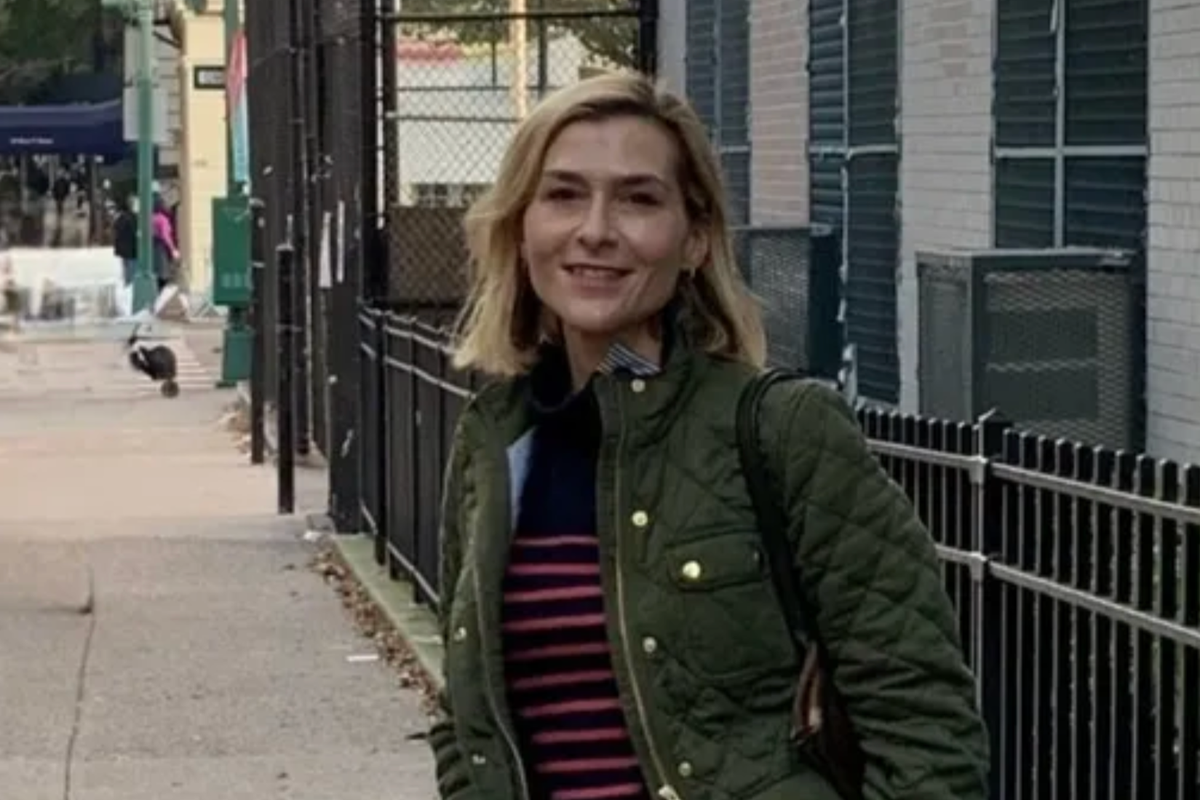
You step onto the pavement of Central Park's West Drive on a warm July afternoon. You have your running shoes on, your headphones are out so you can stay alert, and you stay firmly inside the pedestrian lane. You follow every rule. Yet, in a split second, an electric bike traveling over twenty miles per hour slams into your back from the wrong direction.
This isn't a hypothetical nightmare. It is exactly what happened to Jean, a forty-three-year-old avid runner who has called New York City home for a decade. On July 7, 2026, at around 4:30 p.m. near West 64th Street, Jean was run down from behind. Today, she lies in a hospital bed in a medically induced coma, fighting through the aftermath of emergency cranial surgery, skin grafts, and a shattered elbow.
The most disturbing part of this tragedy? The New York Police Department isn't even investigating it.
We need to talk honestly about what is happening to our shared public spaces. The conversation around micromobility has turned toxic, polarized, and thoroughly ineffective. Pedestrians are paying the price with their lives while city leaders look the other way.
Anatomy of a Preventable Central Park Collision
Eyewitness accounts from the afternoon of the crash paint a chaotic scene. Jean was doing what she always did, keeping up with her routine on the paved loops of the park. Witnesses reported hearing a loud, terrifying screech of brakes right before the impact. A twenty-six-year-old e-bike rider, who onlookers noted appeared to be a commercial courier, was flying down the designated walking and running track. He was traveling north against the regular flow of traffic.
He struck Jean with enough force to cause catastrophic trauma. She hit the asphalt headfirst.
When emergency responders arrived, Jean was unconscious and completely unable to identify herself. Hospital staff admitted her as a "Jane Doe" while her family in Georgia frantically tried to figure out why she wasn't answering her phone. Her niece, Brandi Wiltse, eventually pieced the timeline together. The contrast between the initial police statement—which claimed the victim was stable and alert—and the reality of Jean’s condition is staggering. Jean suffered a severe traumatic brain injury that required surgeons to cut into her skull to relieve pressure.
Optimistic estimates from her medical team suggest she will spend at least six months in the hospital before she can even be considered for a transfer. Her family has resorted to a crowdsourcing campaign just to keep her Upper West Side apartment from being liquidated while she sleeps in an ICU bed.
Meanwhile, the driver walked away without a single citation.
The Enforcement Vacuum Leaving Victims Stranded
How does someone send a pedestrian into a coma on a dedicated park walking path and face absolutely zero legal consequences? The answer lies in New York's deeply flawed traffic laws and a glaring lack of police accountability.
Because the twenty-six-year-old cyclist stopped, handed over his identification, and didn't flee the scene, the NYPD treated the incident as a simple regulatory non-event. The Central Park Precinct closed the book almost immediately, stating there is no criminal investigation.
This policy creates a bizarre double standard. If you drive a gas-powered sedan down the pedestrian path of Central Park going the wrong way and crush a runner, you go to jail. You face reckless endangerment charges, heavy fines, and immediate arrest. But replace that two-ton car with a hundred-pound electric bike moving at deadly speeds, and the legal system suddenly shrugs.
Local precincts claim their hands are tied unless a crash involves an immediate fatality or a driver who flees. This hands-off approach ignores the reality of modern micromobility. The vehicles traversing our parks today are not the lightweight pedal bikes of the nineties. They are heavy, motorized machines capable of acceleration that rivals small motorcycles. Leaving enforcement to the honor system doesn't work. It has never worked.
Speed Misconceptions and the Infrastructure Problem
The debate surrounding e-bikes usually gets bogged down in a false binary. On one side, transit advocates argue that electric two-wheelers are vital for delivery workers and green commuting. On the other side, angry pedestrians demand outright bans.
Both sides miss the core issue. The problem isn't the existence of electric motors. The problem is speed variance and completely broken infrastructure design.
Central Park's loops were designed long before the advent of lithium-ion batteries. Today, the park drives pack multiple entirely different modes of transport into tight parallel lanes. You have toddlers learning to walk, marathoners training at eight miles per hour, casual Citi Bike users cruising at twelve miles per hour, and commercial e-bikes pushing past twenty-five miles per hour.
When you mix these speeds without physical barriers, disaster is inevitable.
Compounding the danger is the sheer weight of these vehicles. A standard road bike weighs about eighteen pounds. A commercial e-bike equipped with heavy batteries, cargo racks, and a delivery frame can easily top eighty pounds. When you factor in the weight of the rider, the kinetic energy delivered in a collision is immense. Jean didn't just get knocked over. She was hit by a motorized vehicle.
The Failure of Current City Policy
New York City has tried a patchwork of band-aids to fix this issue, and every single one has failed miserably. We have seen sporadic ticketing blitzes where officers stand on park corners and hand out fines to random delivery workers. This does nothing to change long-term behavior. It just creates resentment.
The city has also tried putting up digital speed warning signs. A flashing sign telling a rider they are going too fast is useless when there is no penalty attached to ignoring it.
The truth is that our local government has failed to adapt to the delivery boom. The demand for instant restaurant drop-offs has flooded the streets and parks with thousands of couriers who are working on tight, algorithm-driven deadlines. They are penalized by their apps if they are late. This financial pressure forces riders to take the fastest possible route, even if it means cutting through a pedestrian lane or flying the wrong way down a one-way loop.
We cannot expect commercial riders to self-regulate when their livelihood depends on breaking the rules. The city needs to hold the multi-billion-dollar delivery platforms accountable for the routes their algorithms generate, rather than just blaming individual riders at the bottom of the economic ladder.
Actionable Steps for Safer New York City Shared Spaces
We cannot wait for another runner to end up in an ICU before we make structural modifications to how Central Park operates. If you want to protect pedestrians and make the park truly safe, here is the blueprint that city planners need to execute immediately.
Implement Hard Physical Separation
Paint on the asphalt is not protection. The pedestrian lanes must be separated from wheeled lanes by physical infrastructure. This doesn't mean building ugly concrete walls. The park can use heavy planters, grade-separated pathways, or flexible bollards to ensure a turning or swerving bike cannot physically enter the running lane.
Create Strict Speed Governing Zones
Modern e-bikes utilize geofencing technology. The city needs to mandate that all commercial and rental electric bikes automatically scale down their maximum power when entering the boundaries of major public parks. If a bike's motor automatically caps out at twelve miles per hour inside Central Park, the potential for catastrophic injuries drops instantly.
Redesign the Dangerous Intersections
The stretch of the West Drive near 64th Street and Tavern on the Green is notoriously poorly designed. It features blind curves, heavily used pedestrian crosswalks, and shifting lane configurations. The city must implement high-visibility raised crosswalks, clear directional signage, and mandatory stop zones for wheeled traffic at high-volume pedestrian crossings.
Establish Real Legal Accountability
The state legislature must update the vehicle and traffic law to create clear criminal penalties for reckless operation of motorized micromobility vehicles. If a rider causes severe physical injury while traveling the wrong way in a pedestrian lane, it must be treated as a criminal offense, regardless of whether the rider stays at the scene.
If you want to support Jean’s recovery and help her family retain her home during this crisis, you can find her official campaign on GoFundMe under her niece's name, Brandi Wiltse. Beyond financial aid, the best way to honor victims of these preventable crashes is to demand that your local community board and city council representatives stop ignoring park infrastructure. Write to your representatives today and demand physical lane separation before the next collision happens.