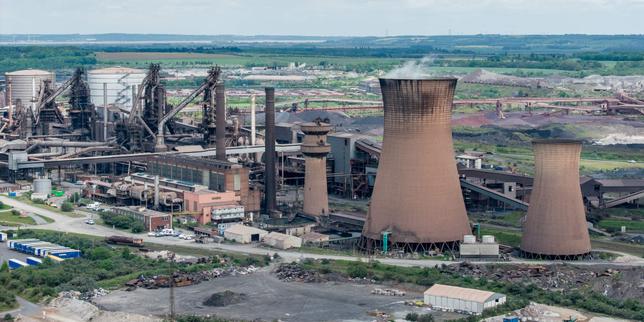
The UK government just threw a massive wrench into its economic relations with Beijing. By stripping Chinese industrial giant Jingye Group of its ownership and putting British Steel into full public ownership, ministers didn't just take over a struggling manufacturer. They sparked an international legal war. Jingye is furious, calling the move blatant extortion and demanding over £1 billion in compensation.
This isn't your standard corporate spat. It's a high-stakes battle over national security, industrial sovereignty, and huge sums of taxpayer money. If you think this is just about saving some old blast furnaces in Scunthorpe, think again.
The Zero Pound Offer That Sparked the Fury
Jingye bought British Steel out of insolvency back in 2020 for a modest £50 million. They claim they saved the historic company from total collapse. Fast forward to July 2026, and the UK Department for Business and Trade has fully nationalised the assets. The government justifies the seizure by arguing that domestic steel production is vital for UK infrastructure and defence.
The real flashpoint centers on the buyout price. The UK government claims the commercial value of British Steel is exactly zero. It refuses to hand over a massive payout for a business that has been bleeding cash and required hundreds of millions in taxpayer-funded working capital just to stay operational.
Jingye didn't take that well. In a scathing statement released on their official WeChat account, the Beijing-based group accused the British government of offering virtually zero compensation while completely disregarding years of private investment. They are invoking a 1986 bilateral investment treaty between China and the UK to force international arbitration. They want their money back. All of it.
Why Downing Street Struck Now
The government didn't jump into this overnight. Tensions have brewed for more than a year. The crunch point arrived when Jingye threatened to shut down the two remaining blast furnaces at the Scunthorpe site. Those furnaces are the very last places in the UK capable of making virgin steel from raw materials.
Losing that capability would mean the UK becomes the only G7 nation unable to produce its own primary steel. Every bit of steel for British warships, railway tracks, and structural beams would have to be imported. From a national security perspective, that was a non-starter.
Westminster fast-tracked the Steel Industry Nationalisation Bill through Parliament over the summer to create the legal framework for this takeover. Officials argue that taking control protects around 2,700 jobs directly in North Lincolnshire and thousands more in the supply chain. They view it as a necessary rescue mission.
Jingye tells a completely different story. They say the British side repeatedly broke commitments, moving from promises of joint investment to failing to deliver promised energy subsidies, before forcibly taking operational control and finally enacting full state ownership.
The Exploding Cost to the British Taxpayer
Nationalisation sounds simple on paper, but the financial reality is incredibly messy. Running a steel giant is extraordinarily expensive, especially when global energy costs are high and demand is weak.
Data from the National Audit Office reveals exactly how much cash this operation eats. By the end of January 2026, the UK government had already spent £377 million on keeping British Steel afloat. By June, that figure surged past £600 million. Projections suggest that taxpayer expenditures could easily top £1.5 billion by 2028.
That means the state is pouring billions into a loss-making enterprise while simultaneously facing a massive legal claim from its former Chinese owners. Jingye is even threatening to launch separate legal claims against UK government officials and British Steel’s current management on behalf of British taxpayers, arguing the rushed takeover lacked a viable operating plan.
Beijing Weighs In
This isn't just a fight between a company and a state. The Chinese government has stepped directly into the arena. China's Ministry of Commerce expressed strong dissatisfaction with the seizure, and the Foreign Ministry warned that London's handling of the situation will directly dictate how future Chinese investors view the British business environment.
It places the UK in a deeply uncomfortable position. The country needs foreign direct investment to rebuild its infrastructure, but it has sent a clear message that it will seize foreign-owned assets if national security is deemed at risk.
What Happens Next
The fight now moves from the factory floor to the courts and international arbitration panels. Under the new nationalisation laws, the UK government must appoint an independent valuer to assess the true worth of the business and determine if any compensation is legally owed.
Jingye has already made it clear they will appeal any low-ball valuation. They are preparing for a long, drawn-out legal fight under international treaty rules.
If you are tracking this situation or managing investments affected by shifting industrial policies, you need to watch these specific areas.
- Monitor the appointment of the independent valuer expected this autumn, as their initial figure will set the baseline for the legal battle.
- Watch for retaliatory regulatory pressures on British firms operating within China, which remains a standard diplomatic countermove.
- Track the upcoming UK steel strategy updates to see how much more taxpayer capital will be committed to transitioning the Scunthorpe plant toward cleaner electric arc furnaces.
The UK has its steelworks back, but the true bill is only just starting to arrive.